Martinborough wineries are often the first place people think of when they hear about the wider Wairarapa wine region, and that is completely understandable. Martinborough has become the most recognisable wine village in this part of New Zealand because it offers something that many wine travelers actually want: a concentration of boutique producers, a relaxed village atmosphere, strong Pinot Noir credentials, and a style of winery visiting that can feel personal rather than overbuilt. It is not just the wines that make Martinborough attractive. It is the way the whole experience fits together. You can move from tasting room to tasting room without feeling like you are entering an industrial tourism corridor, and that gives the day a very different tone.
For first-time visitors, this can be both a strength and a trap. The strength is obvious: Martinborough is easy to enjoy. The trap is that people sometimes assume the experience will organise itself. It rarely does. A good day among Martinborough wineries depends on making a few smart decisions before you arrive. You need to think about how many stops you can realistically enjoy, what kind of cellar door experience you prefer, whether you are focused mainly on Pinot Noir or want a broader tasting route, how food will fit into the day, and whether you want a quick overview or a more thoughtful winery experience. Once those choices are made, Martinborough becomes much more rewarding.
This guide is written to help readers plan better rather than simply collect names. It explains why Martinborough stands out, what makes its wineries different, how Pinot Noir fits into the story, what kinds of cellar doors to expect, how many stops make sense, and which common mistakes can quietly ruin a wine day. If you want the broader context first, return to our homepage guide to the Wairarapa wine region. If your main focus is the flagship red of the area, the best next step after this article is our guide to Wairarapa Pinot Noir. And if you want to think more carefully about winery-visit logistics and tasting-room style, save our article on Wairarapa cellar doors for later.
Why Martinborough Is the Best-Known Wairarapa Wine Destination
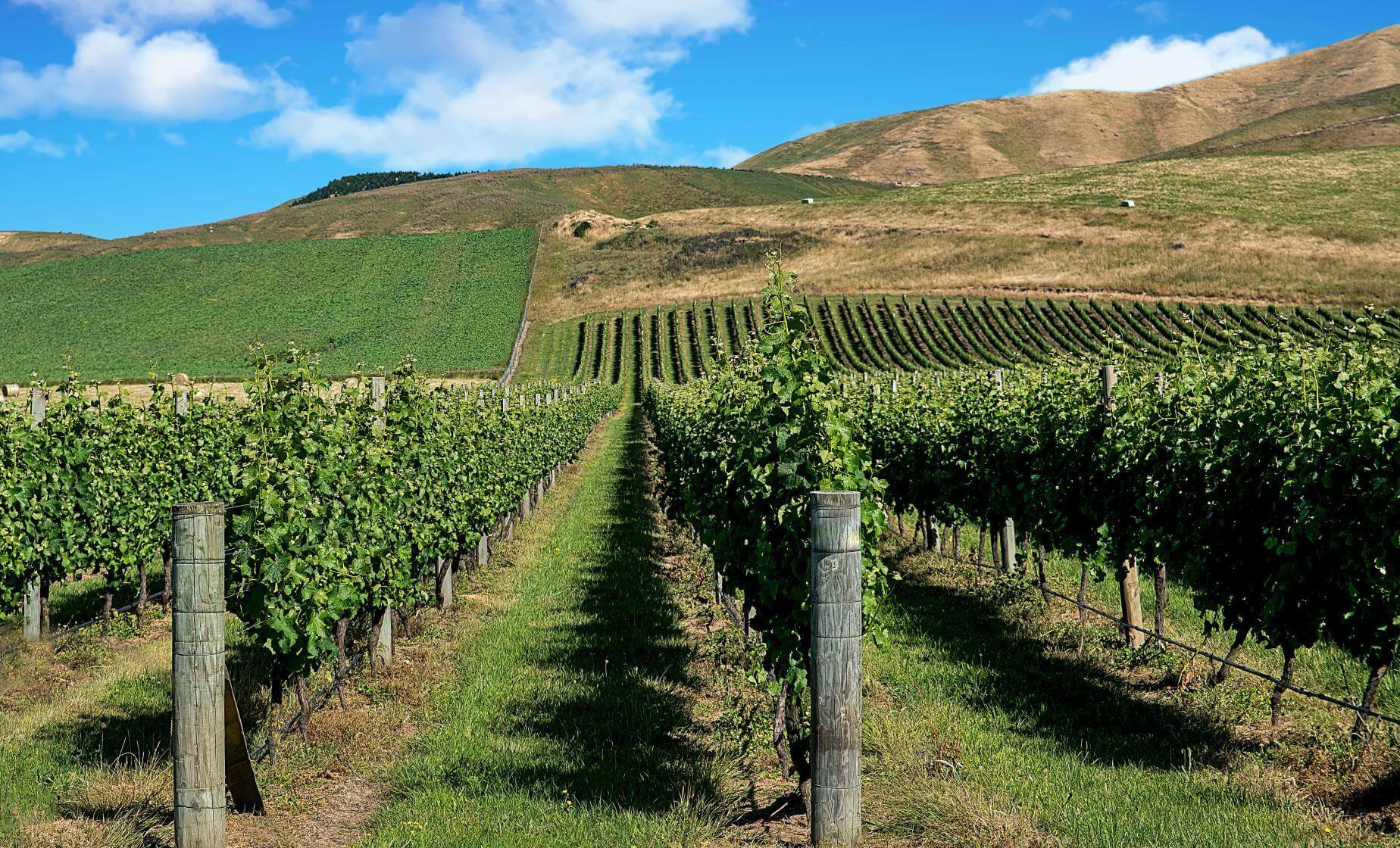
Martinborough is the best-known wine destination in Wairarapa because it offers a rare combination of quality, identity, and accessibility. In many wine regions, one of those strengths comes at the expense of another. A place may produce excellent wine but feel difficult to navigate. Another may be easy to visit but not especially distinctive once you get there. Martinborough works because it combines both. It has a clear wine identity, especially around Pinot Noir, and it presents that identity in a way that is approachable for visitors.
Its reputation is also shaped by atmosphere. Martinborough has the feel of a wine village rather than a scattered agricultural zone with a few tasting rooms attached. That matters more than people often realise. When the village itself feels connected to the wine experience, the day becomes easier to structure and more enjoyable to remember. You are not only driving from one tasting point to another. You are moving through a place with a coherent personality. This makes Martinborough especially attractive for couples, weekend visitors, and people who want a relaxed itinerary rather than a speed-run through vineyard stops.
Another reason it stands out is that Martinborough gives travelers a useful first introduction to the wider Wairarapa wine region. It is concentrated enough to feel manageable, but rich enough to make people curious about the surrounding subregions. In that sense, Martinborough often works as a gateway. Many visitors begin here, then later realise they want to explore more of Gladstone, Masterton, and the larger regional wine culture.
Why a Wine Village Feels Different
A true wine village changes the rhythm of the day. There is less friction between tasting, walking, pausing, eating, and deciding what to do next. Martinborough benefits from this enormously. It is one of the reasons so many visitors describe the experience as easy or enjoyable even before they start analysing the wines themselves.
Why Martinborough Became the First Stop for So Many Visitors
Martinborough became the first stop because it offers a clear story that is easy for travelers to understand. Boutique producers, notable Pinot Noir, village charm, and manageable winery access all combine into a destination that feels both distinctive and practical. That combination is powerful in wine tourism.
What Makes Martinborough Wineries Different From Larger Wine Regions
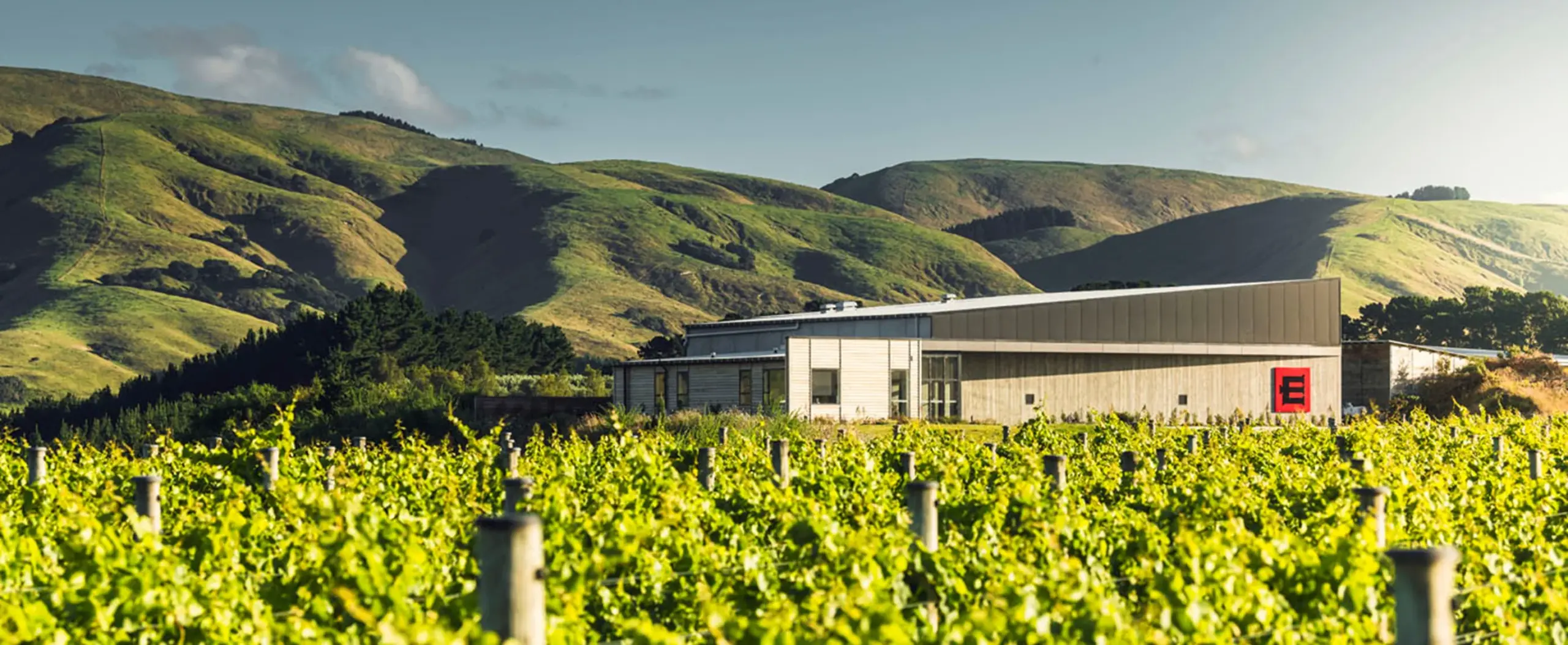
One of the biggest differences between Martinborough wineries and wineries in larger, more commercial wine regions is scale. Martinborough often feels focused and local rather than expansive and impersonal. That changes the emotional experience of tasting. Visitors are more likely to notice that producers have individual styles, individual philosophies, and individual ways of presenting their wines. Even when tasting rooms are polished, they usually still feel connected to a boutique winemaking culture.
This scale also affects how much contrast you can feel across a single day. In a larger region, the wineries can begin to blur because the distances are bigger and the visitor framework becomes repetitive. In Martinborough, contrast often comes through more naturally. One stop may feel intimate and conversational, another more formal, another more food-oriented, and another more educational. The region stays interesting because the variations are real, but the distances remain manageable.
For many visitors, this is exactly the appeal. You can build a proper wine day without needing to turn it into a logistical project. The wineries are serious enough to reward attention, yet accessible enough that the day does not become stressful. This is especially important if your group includes a mix of enthusiasts and casual wine drinkers. Martinborough can satisfy both without feeling diluted.
Boutique Scale
Boutique scale usually means more personality, more direct explanation, and less sense of being moved through a standard visitor system. That is one reason Martinborough wineries often leave a stronger impression than larger estates elsewhere. You remember the wines, but you also remember the context around them.
Walkable or Bike-Friendly Access
Accessibility matters in practical ways, not just romantic ones. A region that allows people to move more easily between stops often creates a calmer and more enjoyable wine day. Martinborough benefits from that reputation. It is one of the reasons the destination works well for people who want a tasting experience that feels relaxed rather than heavily structured.
Winemaker-Led Atmosphere
Not every tasting is literally led by the winemaker, but Martinborough often preserves the feeling that the wine is being presented by people who understand it closely. That atmosphere makes a difference. You feel closer to the wine itself and less like you are consuming a prepackaged experience.
Pinot Noir and Other Varieties to Look For in Martinborough
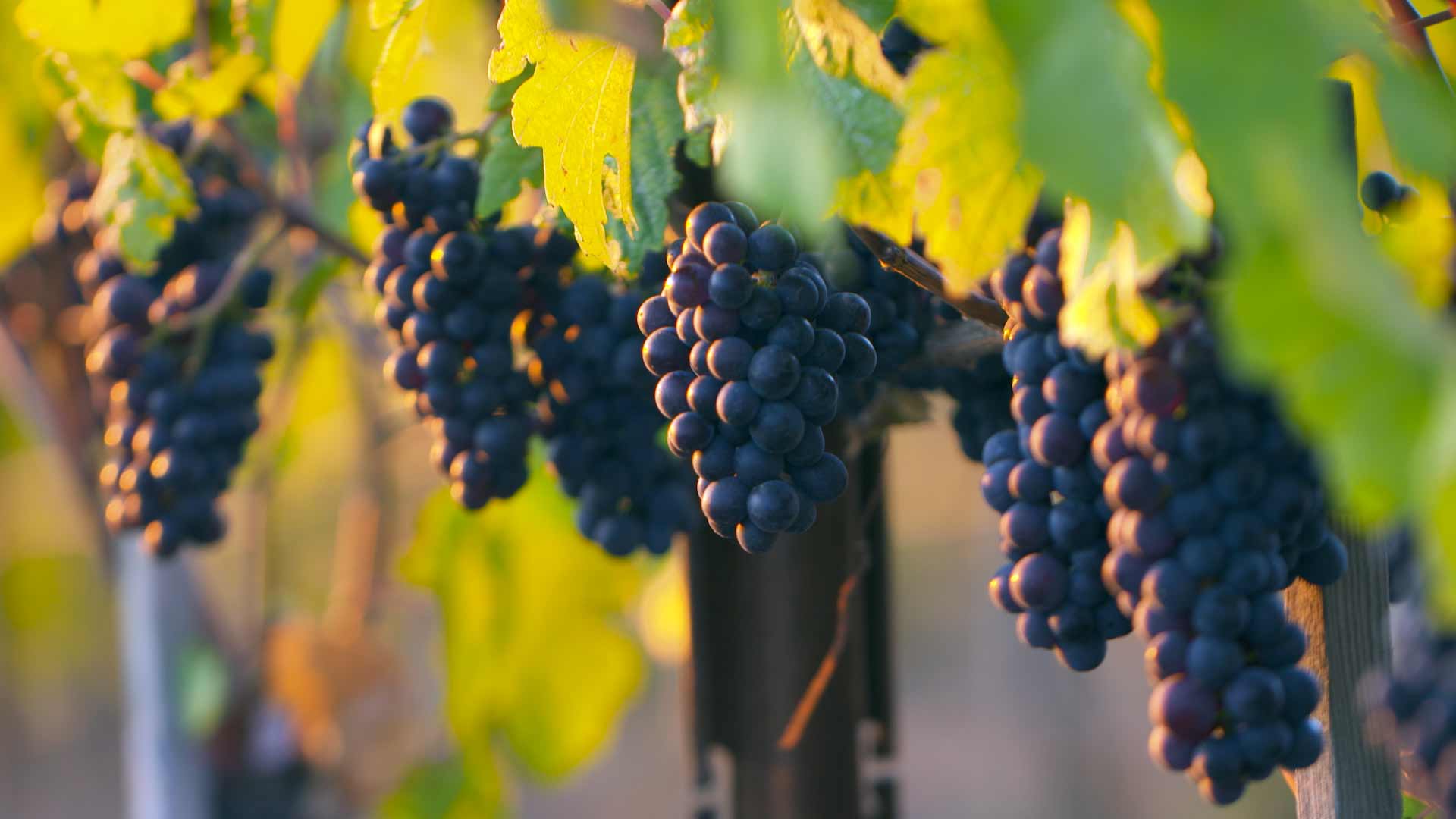
For most visitors, Martinborough wineries are first and foremost about Pinot Noir. This is the variety that usually defines the region’s international image and gives many of its most memorable wines their identity. If you are planning your first trip, it makes complete sense to build part of the day around understanding how Martinborough approaches Pinot Noir: the balance of fruit and savoury notes, the structure, the perfume, the texture, and the ways different producers frame elegance versus power.
At the same time, a Martinborough day becomes much more rewarding when you resist the urge to taste only one category. The best winery visits usually include enough variety to keep your palate alert and your memory clear. Sauvignon Blanc can bring freshness and lift. Chardonnay can add texture and depth. Aromatics such as Pinot Gris or Riesling can make a tasting route feel less repetitive. Some producers may also offer Syrah or other styles that broaden the picture of what Martinborough can do.
This is important because a region’s identity becomes clearer when you see both its flagship wine and its supporting range. Pinot Noir may be the headline, but the whites and alternative styles often tell you just as much about the producer’s approach. They can also rescue your palate in the middle of the day if the tasting route is becoming too red-heavy. If you want a deeper dive into the red that defines the area, continue later with our guide to Pinot styles across Wairarapa.
What to Notice in Martinborough Pinot Noir
It helps to focus on a few core things rather than trying to memorise every tasting note. Notice whether the wine feels light-footed or structured, whether the fruit feels bright or darker, whether the savoury side shows itself quickly, and whether the finish feels silky, firm, or earthy. These simple observations often tell you more than overcomplicated wine language.
Why White Wines Matter on a Red-Focused Day
White wines create contrast and help you understand a producer more completely. They also improve the flow of the day. A tasting route built entirely around red wine can become harder to read after a while, especially if you are visiting several places in a row.
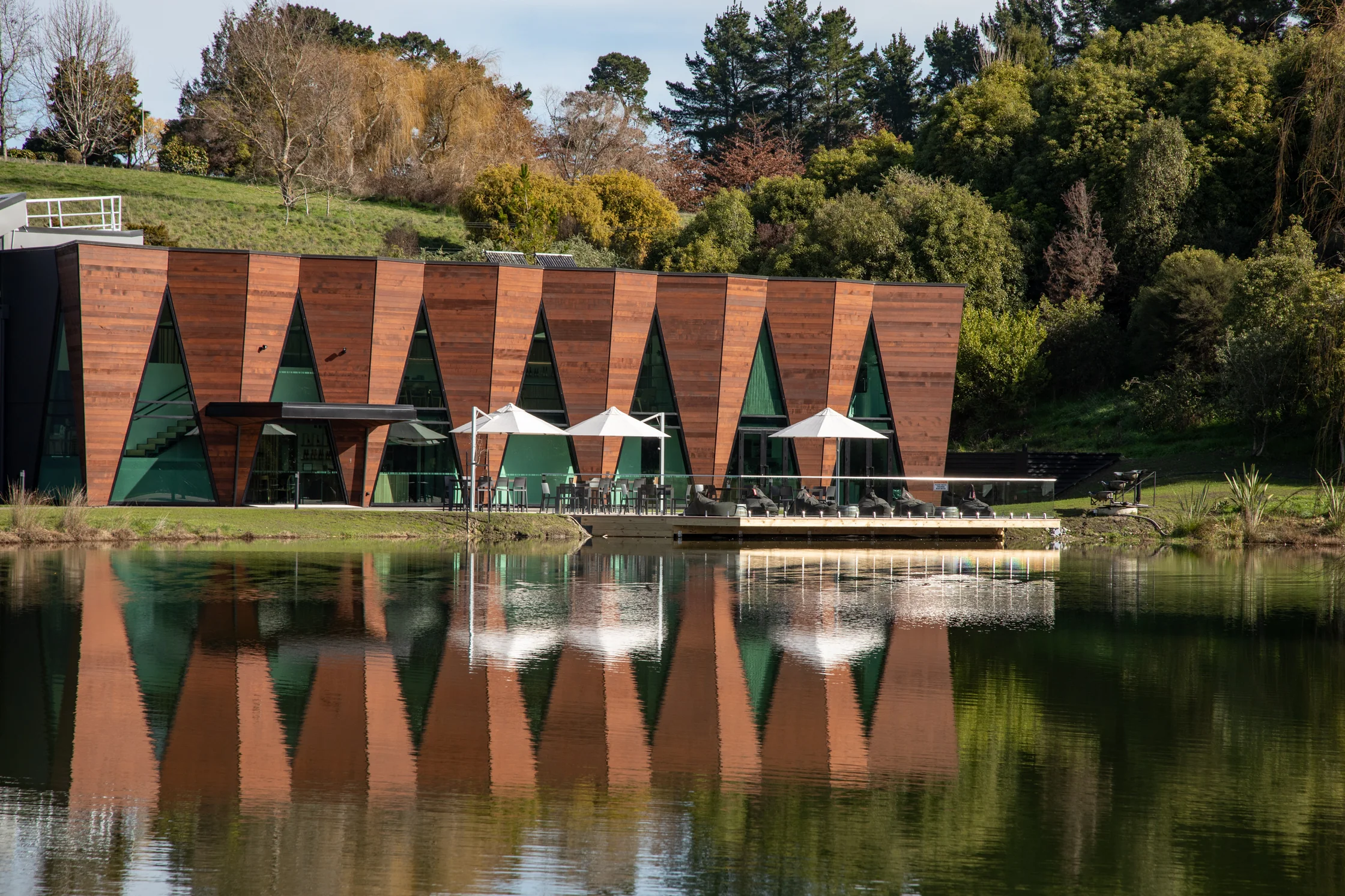
How to Choose Cellar Doors That Match Your Travel Style
The best cellar door itinerary is not the one with the most names. It is the one that matches how you actually like to travel. Some people want an efficient, tasting-focused route where they can compare several producers in a single day. Others want fewer stops, more time, and a meal in the middle. Others again want one or two anchor wineries and the freedom to adjust the rest of the day based on energy and mood. Knowing which category you fall into is one of the most important steps in planning a satisfying Martinborough visit.
If your goal is education, then look for wineries where the tasting format gives you enough room to ask questions and compare styles. If your goal is relaxation, prioritise places with a strong sense of hospitality, comfortable space, and maybe a food component. If your goal is broad exploration, mix one or two better-known names with one or two producers that feel quieter or more personal. This balance often creates the strongest overall day.
Another practical point is timing. Not all cellar doors are identical in how they handle arrivals, bookings, lunch hours, and slower versus faster service. A little attention here prevents the day from feeling disjointed. If you want a fuller framework for this side of the trip, our article on tasting room tips and cellar doors is designed exactly for that next step.
Quick Tasting Stops
These work well if you already know the style of day you want and are confident you can keep the pace sensible. They are especially useful for visitors who want an overview of Martinborough rather than a deep relationship with every stop.
Educational Tastings
If you are genuinely interested in understanding wine style, subregional expression, or producer personality, at least one educational tasting stop is worth building into the day. It slows the itinerary down in the best way and usually improves how you experience every visit afterward.
Lunch-Friendly Estates
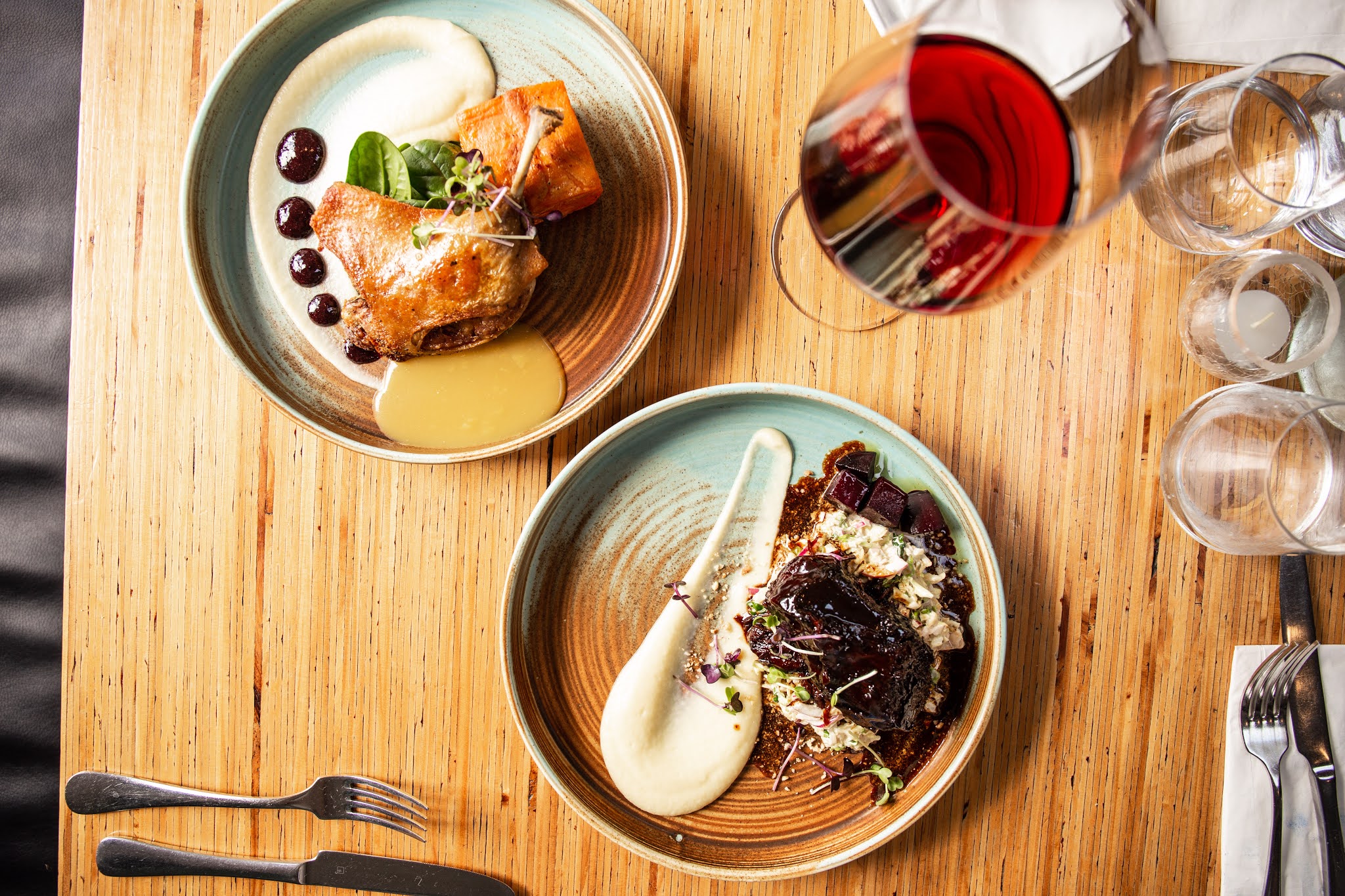
A long wine day always works better when food is treated as part of the plan rather than as an afterthought. A winery stop with proper lunch potential can reset the pace, improve your palate, and turn the whole experience into something more memorable and more comfortable.
How Many Wineries to Visit in One Day Without Rushing
This is one of the most common planning questions, and the answer is almost always “fewer than you first imagined.” A rushed wine day tends to flatten everything. The later wines blur, conversations become shorter, and the strongest impression you carry home is often fatigue. For most visitors, a well-paced Martinborough itinerary is better built around a modest number of quality stops than an ambitious attempt to see everything in one go.
The ideal number depends on whether the day includes lunch, how far you are travelling, whether bookings are involved, and how deeply you want to engage at each place. But as a general rule, a day becomes much more enjoyable when you leave room for the unexpected. One winery may deserve more time than planned. One tasting may lead to a longer conversation. One lunch stop may be so well-timed that the whole afternoon benefits from slowing down. None of that happens if the schedule is overstuffed from the start.
This is also where Martinborough’s charm can become deceptive. Because the wineries can feel accessible and relatively close together, visitors sometimes assume they can fit in far more than is wise. In reality, the same rule applies here as anywhere else: wine tourism improves when the pace remains human. If you already know you want a slower experience, then our upcoming guide to timing your vineyard trip can help you choose when the region is easiest to enjoy.
The Case for Three or Four Strong Stops
For many people, three or four carefully chosen winery visits with a good lunch break are enough for a full, satisfying day. This allows contrast without overload and keeps the wines memorable rather than interchangeable.
Why Overplanning Hurts More Than Underplanning
Underplanning may leave room for discovery. Overplanning usually removes it. The more tightly packed the route, the less likely you are to enjoy the wines on their own terms. Martinborough is a destination that rewards breathing room.
Common Mistakes First-Time Visitors Make in Martinborough
The first mistake is assuming the day will naturally organise itself once you arrive. Martinborough feels easy, but that does not mean planning is unnecessary. Opening hours, booking styles, transport, food timing, and the realistic number of stops all still matter. A little structure improves the whole experience without making it rigid.
The second mistake is tasting too narrowly. Visitors often come for Pinot Noir and then remain so focused on it that they miss excellent whites, helpful palate resets, and important clues about each producer’s broader style. The third mistake is not eating properly. Even a beautifully designed tasting route starts to decline if food is left too late. The fourth is turning the day into a quantity contest instead of a regional experience. More wineries do not automatically mean a better wine day.
Another common mistake is ignoring seasonal mood. The same route can feel very different depending on the time of year, booking pressure, weather, and whether the region is in a quieter or busier rhythm. That is why seasonal planning deserves more attention than many first-timers give it. If you want a fuller read on that side of the trip, save our article on when to plan your vineyard trip.
Trying to See Too Much
This is by far the most common problem. The day looks compact on paper, but tasting well still takes time. When visitors overload the route, they often end up enjoying the region less instead of more.
Skipping the Food Plan
Wine and food belong together in Martinborough. A meal, a platter, or even a well-timed snack is not optional if you want the day to stay enjoyable and clear-headed.
Expecting Every Winery to Feel the Same
One of Martinborough’s strengths is variation in personality and style. The day becomes more interesting when you notice those differences instead of expecting a uniform experience everywhere.
How to Build a Better Martinborough Wine Day
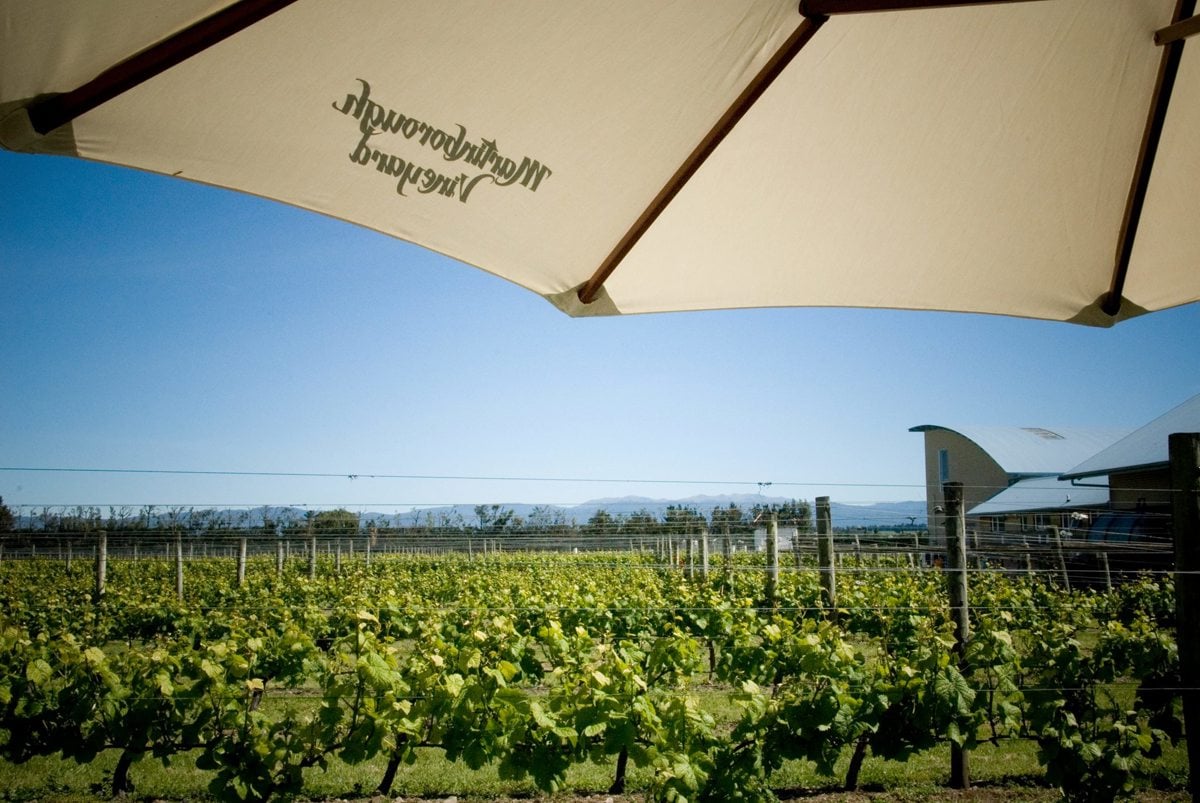
The strongest Martinborough itineraries usually follow a very simple principle: start with intention, then leave enough room for pleasure. Choose whether the day is mainly about Pinot Noir, broad exploration, a scenic lunch and a few tastings, or a deeper winery-learning experience. Once you know that, select a realistic number of stops, think about transport, and decide where the meal fits. From there, let the day breathe a little.
It also helps to be honest about your group. Some people love comparing wines carefully. Others are there mostly for atmosphere. Some want to buy bottles. Others want to understand the region before purchasing anything. A good Martinborough day takes those differences into account instead of forcing everyone through the same pace. The more aligned the route is with the people taking it, the better the region tends to show itself.
Most of all, remember that Martinborough’s appeal lies in quality and ease together. The destination works best when you let it remain that kind of place. Taste seriously if you want to, but do not strip the enjoyment out of the day by making it too mechanical. Martinborough rewards curiosity, not pressure.
FAQ
What are Martinborough wineries best known for?
Martinborough wineries are best known for Pinot Noir, boutique cellar doors, a relaxed village atmosphere, and wine tourism that feels personal rather than overly commercial.
How many wineries should I visit in one day in Martinborough?
For most visitors, three or four well-chosen stops with food in the middle of the day is a more enjoyable plan than trying to fit in as many wineries as possible.
Is Martinborough only about Pinot Noir?
No. Pinot Noir is the headline variety, but many visitors also enjoy Sauvignon Blanc, Chardonnay, Pinot Gris, Riesling, and other wines that make the region feel broader and more interesting.
Can you explore Martinborough without a very detailed itinerary?
Yes, but even a relaxed day benefits from basic planning around transport, food, opening hours, and the number of winery stops you want to make.
What should I read after this article?
The best next steps are our guides to the Wairarapa wine region, Wairarapa Pinot Noir, Wairarapa cellar doors, and the best time to visit Wairarapa wine region.