The best time to visit Wairarapa wine region depends less on a single perfect month and more on the kind of wine trip you want to have. This is one of the most useful things a visitor can understand before planning a weekend away. Some people want a lively atmosphere, warm weather, and the feeling that the vineyards are in full motion. Others want a quieter tasting experience with more relaxed cellar doors, easier booking, and more time to ask questions without feeling the region is in a rush. Both approaches can work beautifully in Wairarapa, but they lead to different ideal moments for travel.
This matters because Wairarapa is a boutique wine region, not a giant mass-tourism wine destination. The same qualities that make it appealing—smaller producers, approachable cellar doors, regional personality, and a slower natural rhythm—also mean that seasonal timing affects the feel of a visit more clearly than many first-time travelers expect. A spring trip can feel fresh and quietly promising. Summer can feel bright, social, and easy to combine with long lunches. Harvest can bring a stronger sense of movement and vintage energy. Autumn can feel especially rewarding for people who want colour, atmosphere, and a deeper sense of wine country identity. Winter, meanwhile, may suit visitors who prefer stillness, structure, and tasting rooms that feel more intimate than busy.
Another reason timing matters is that the region is compact enough to make visitors underestimate the role of season altogether. People think first about winery names and only later realise that weather, harvest rhythm, road conditions, opening hours, booking pressure, and the balance between Martinborough and quieter subregions can all change the whole experience. The right season does not just shape what the vineyards look like. It shapes how the trip feels from the first tasting to the last lunch stop.
This guide explains how the seasons affect the Wairarapa wine region, which part of the year suits different kinds of travelers, when Pinot Noir lovers may get the most out of the trip, how timing changes the experience in Martinborough and Gladstone, what harvest season means in practice, and when advance planning matters most. If you want the broad regional foundation first, start with our homepage guide to the Wairarapa wine region. If you want a practical beginner layer under this timing advice, return to our article on tasting advice for first visits. If you are curious about the quieter side of the region, our guide to Gladstone and beyond is especially useful. And if you want the deeper seasonal and harvest story after this, save our article on vintage heritage and harvest background.
How the Seasons Change the Wairarapa Wine Experience
The first thing to understand is that season changes far more than the weather. It changes the emotional texture of a wine trip. In a region like Wairarapa, where cellar doors and winery visits often feel personal rather than anonymous, small shifts in seasonal atmosphere become very noticeable. A bright summer afternoon can make the whole region feel open, sociable, and almost effortless. A cooler autumn day can make Pinot Noir tastings feel more reflective and food-focused. A winter visit can make tasting rooms feel especially calm and deliberate. Spring can create a sense of anticipation, when the vineyards and travel season both seem to be waking up at once.
This means there is no universal “best month” for every traveler. Instead, the more useful question is what kind of energy you want from the trip. Do you want outdoor ease and long daylight? Do you want harvest activity and vintage mood? Do you want fewer people and more conversation? Do you want vineyard scenery that feels lush, golden, or stripped back and quiet? Once you answer that, the season becomes much easier to choose.
It is also worth remembering that Wairarapa’s compact nature magnifies these seasonal effects. In a very large region, the scale can flatten your awareness of subtle changes. Here, the difference between a relaxed shoulder-season tasting day and a busier warm-weather weekend can feel much more pronounced. That is one reason timing deserves its own article. It can shape the whole success of the trip.
Why Seasonal Mood Matters More in Boutique Regions
In a boutique wine region, atmosphere is part of the product. The wines matter, but so do the roads, the pace, the landscape, and the feel of each cellar door. Seasonal mood therefore has more influence than many visitors expect. It affects not only comfort, but memory.
Why Travel Style Should Decide the Timing
Choosing a travel date by climate alone can be too simplistic. What matters more is whether you want a social, open-air weekend, a focused tasting trip, a harvest-flavoured wine experience, or a quieter regional escape. Timing works best when it follows style.
The Best Season for Different Types of Visitors
If you are planning your first trip, one of the smartest ways to choose the best time to visit Wairarapa wine region is to match the season to your personality as a traveler. This works much better than hunting for a single abstract “best time” online. Different visitors want very different things from wine country, and Wairarapa is flexible enough to reward all of them if the timing is chosen well.
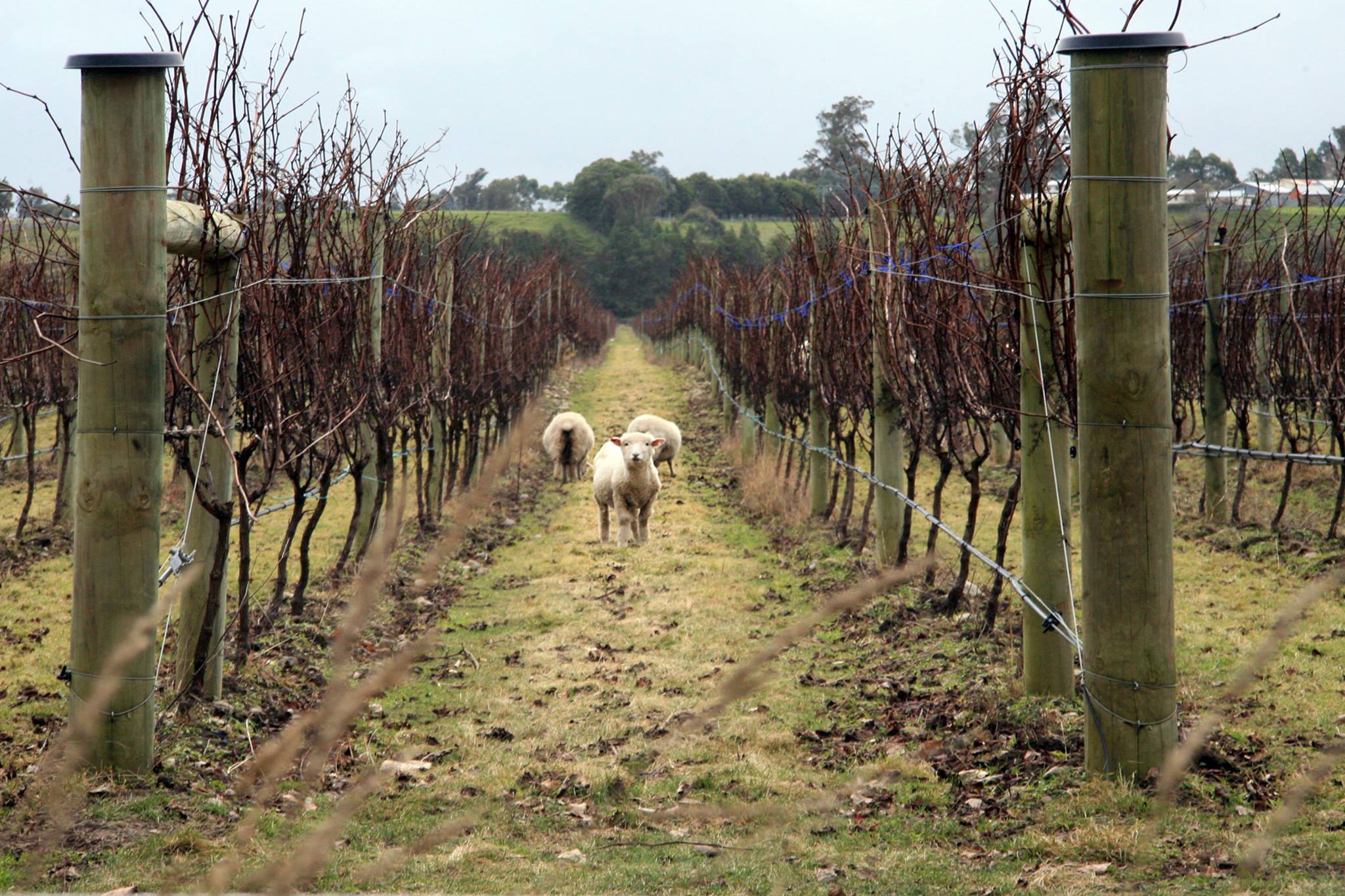
Spring can be excellent for people who like freshness, lighter travel energy, and a sense of the season opening up. It often suits visitors who want a trip that feels promising and scenic without yet leaning fully into summer busyness. Summer works especially well for travelers who want longer days, easy lunch stops, outdoor seating, and a more relaxed holiday atmosphere around the tastings. Autumn often appeals strongly to wine lovers who want the visual and emotional texture that many people associate most naturally with vineyards: harvest-adjacent energy, golden light, richer food mood, and reds that feel especially right in context. Winter can be very rewarding for travelers who care less about external buzz and more about conversation, pacing, and the pleasure of a tasting room that feels quiet and focused.
The point is not that one season is superior. It is that the “best” season changes according to purpose. This becomes especially important when the trip includes both wine and food, or when different people in the group have different priorities. Some want scenic beauty. Some want educational tasting. Some want convenience and outdoor ease. Some want a slower, more private-feeling weekend. Wairarapa can accommodate all of those, but not equally in every season.
Quiet Tasting Weekends
If your ideal wine trip involves fewer crowds, more relaxed cellar doors, and a stronger sense of calm, then cooler or shoulder-season timing may suit you especially well. These are often the weekends where visitors ask better questions, taste more carefully, and remember the wines more clearly.
Vineyard Scenery
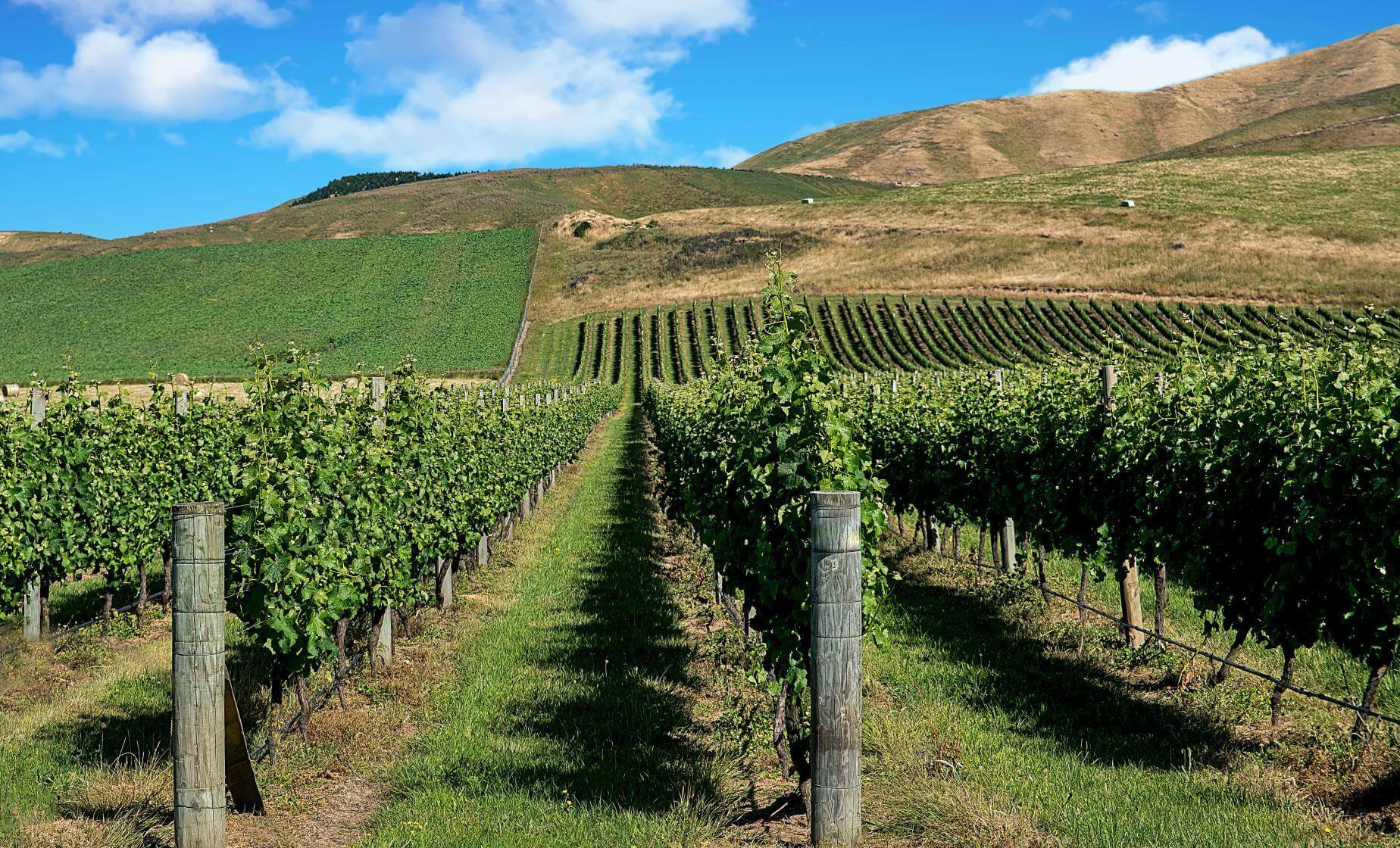
Scenery is not trivial in wine country. It changes how the whole trip feels. Visitors who care strongly about visual atmosphere often find that spring freshness or autumn colour gives the region an extra layer of reward beyond the wines themselves.
Harvest Atmosphere
For many people, harvest season holds a special kind of appeal because it connects the tasting-room experience to the actual agricultural cycle of wine. The region can feel more alive, more purposeful, and more obviously rooted in vintage time rather than general tourism time.
When Pinot Noir Fans May Enjoy the Region Most
People who travel to Wairarapa for Pinot Noir often ask whether there is a better season for that specific focus. The answer is yes, but again it depends on what kind of Pinot experience you mean. If you want to taste the wines in a more atmospheric, seasonally appropriate mood—with richer food, cooler air, and a stronger sense of the region’s red-wine identity—then autumn often feels especially natural. Pinot Noir and autumn simply belong together in the imagination of many wine lovers, and Wairarapa’s reputation for the grape only strengthens that emotional fit.
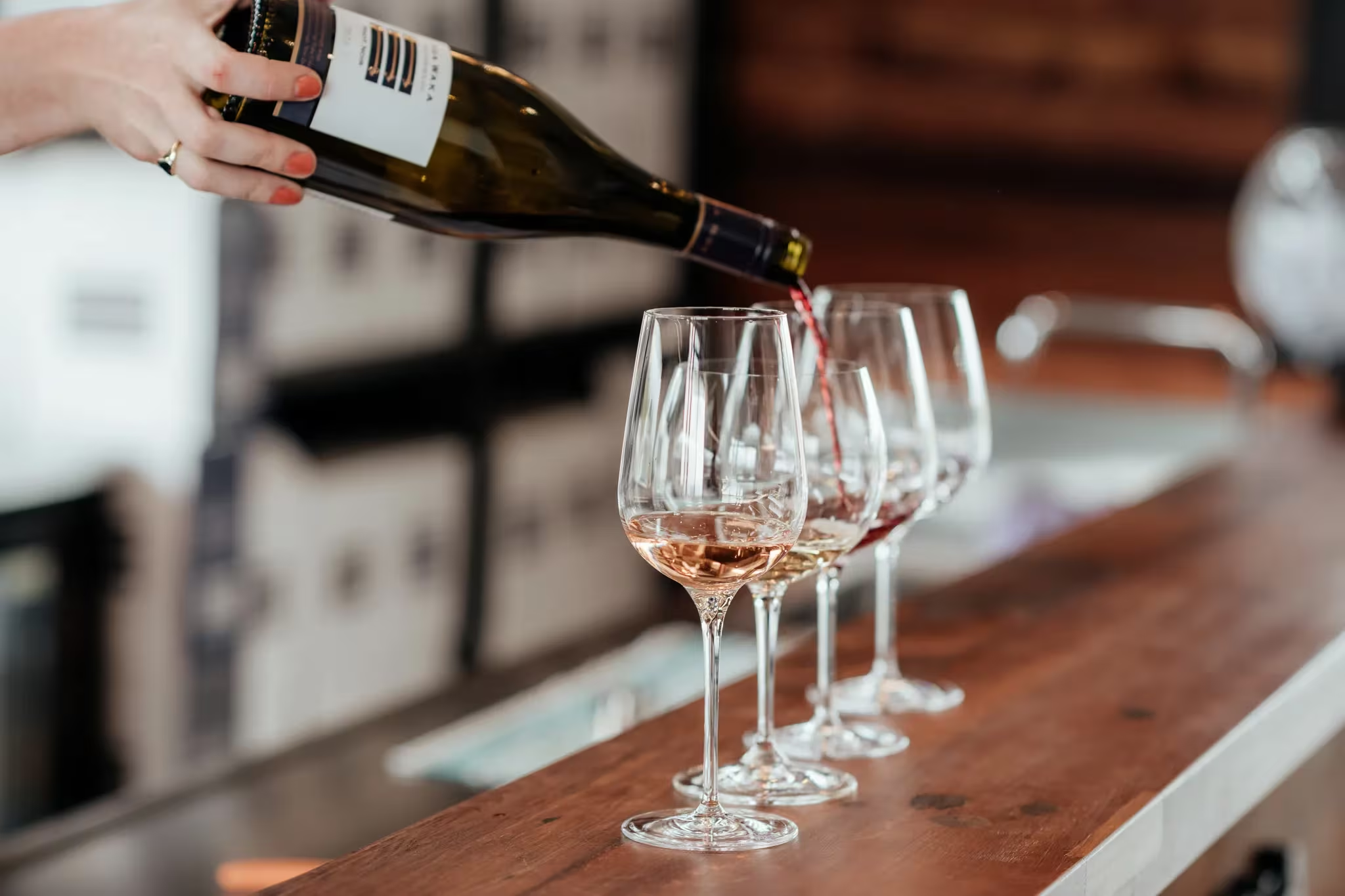
That does not mean Pinot fans should avoid other seasons. Summer can be excellent if you want a broad, relaxed wine weekend and are happy to place Pinot alongside whites, lunch stops, and longer daylight. Spring can be useful if you want to compare cellar doors with more calm and a sense of freshness in the landscape. Winter can be particularly appealing for visitors who want serious tasting energy, especially if they enjoy the idea of a quieter room and less distraction around the glass. In other words, Pinot Noir remains central to the region year-round, but different times of year highlight different pleasures around it.
The key is to think beyond the bottle alone. A Pinot-focused trip is usually strongest when the surroundings support the mood of the wine. That is why season matters. If your main reason for travelling is to understand regional Pinot more deeply, then our dedicated guide to Wairarapa Pinot Noir is the most useful companion to this timing article.
Autumn for Classic Pinot Mood
Autumn often feels most emotionally aligned with Pinot Noir because the cooler weather, richer food pairing possibilities, and vineyard atmosphere all work together. This can make the region feel especially coherent to red-wine-focused visitors.
Winter for Focused Tasting
Winter may not be the first season many travelers think of, but it can be very rewarding for Pinot Noir lovers who care about concentration, conversation, and a quieter overall pace. The wine often takes centre stage more naturally when the day is less driven by general holiday energy.
How Timing Affects Martinborough, Gladstone, and Wider Regional Travel
The best time to visit Wairarapa wine region can also depend on which parts of the region you want to emphasise. Martinborough, because of its stronger name recognition and concentration of cellar doors, may feel more visibly affected by seasonal popularity. In busier periods, it can feel more obviously social and energetic. In quieter periods, it may feel more relaxed and more suited to slower comparative tasting. This is not a problem. It is simply something useful to know in advance.
Gladstone, by contrast, often suits visitors who value quieter rhythm in almost any season, but timing can still shape how strongly that quietness comes through. In a high-travel period, Gladstone may feel especially attractive as a counterpoint to a busier Martinborough day. In a quieter season, it can become even more appealing for travelers who want a calm, spacious route and a more reflective relationship with the wines. This is one reason our guide to Gladstone and beyond fits so naturally into seasonal planning.
The wider regional route also changes with season. Longer daylight and warmer conditions may encourage broader loops, more outdoor meals, and a more ambitious weekend structure. Cooler seasons may reward a tighter route with fewer stops and stronger emphasis on indoor tastings, lunch, and bottle selection. Neither is better in the abstract. They simply produce different kinds of weekends.
Martinborough in Busier Periods
Martinborough is often at its most visibly lively in warmer and more popular travel windows. This can be very appealing if you want a classic village wine atmosphere, but it also means planning and booking may matter more.
Gladstone in Slower Travel Periods
Gladstone can be especially rewarding when you want space, a less obvious route, and a feeling that the day belongs more to the landscape and the wines than to the visitor flow. This makes it a strong seasonal option for quieter trips.
What Harvest Season Changes for Visitors and Why It Matters
Harvest season carries a special kind of attraction in any wine region, and Wairarapa is no exception. Even if your tasting-room visit looks normal on the surface, the wider context changes. The vineyards are in a more visibly consequential stage of the year, the idea of vintage feels immediate rather than abstract, and the whole region can seem more connected to the agricultural side of wine rather than only to the tourism side. For many visitors, that makes the trip feel more authentic and more exciting.
At the same time, harvest timing can also change practical expectations. Some cellar doors may feel busier or more tightly scheduled. Some parts of the region may carry a stronger working rhythm. This does not make harvest a difficult time to visit, but it does mean that people who want a very unstructured and purely leisurely experience may prefer a shoulder season instead. By contrast, travelers who love the idea of wine country feeling “alive with purpose” may find harvest especially satisfying.
It is also worth noting that harvest mood often deepens the educational value of a trip. Visitors who are already curious about winemaking tend to get more out of the region when they can sense where the wines sit in the annual cycle. This is why harvest season is not only scenic or romantic. It is interpretive. It helps the region make more sense.
Why Harvest Appeals to Wine-Focused Travelers
People who are genuinely interested in how wine is made often enjoy harvest timing because it makes the vineyards feel active and the whole region feel tied more directly to vintage rather than simply to hospitality.
Why Harvest Is Not Automatically the Best for Everyone
If your goal is maximum ease, flexible bookings, and a very quiet cellar door mood, harvest may not always be the ideal fit. It is best for visitors who actively want the extra sense of movement and seasonal intensity.
When to Book Ahead and When a Spontaneous Trip Can Still Work
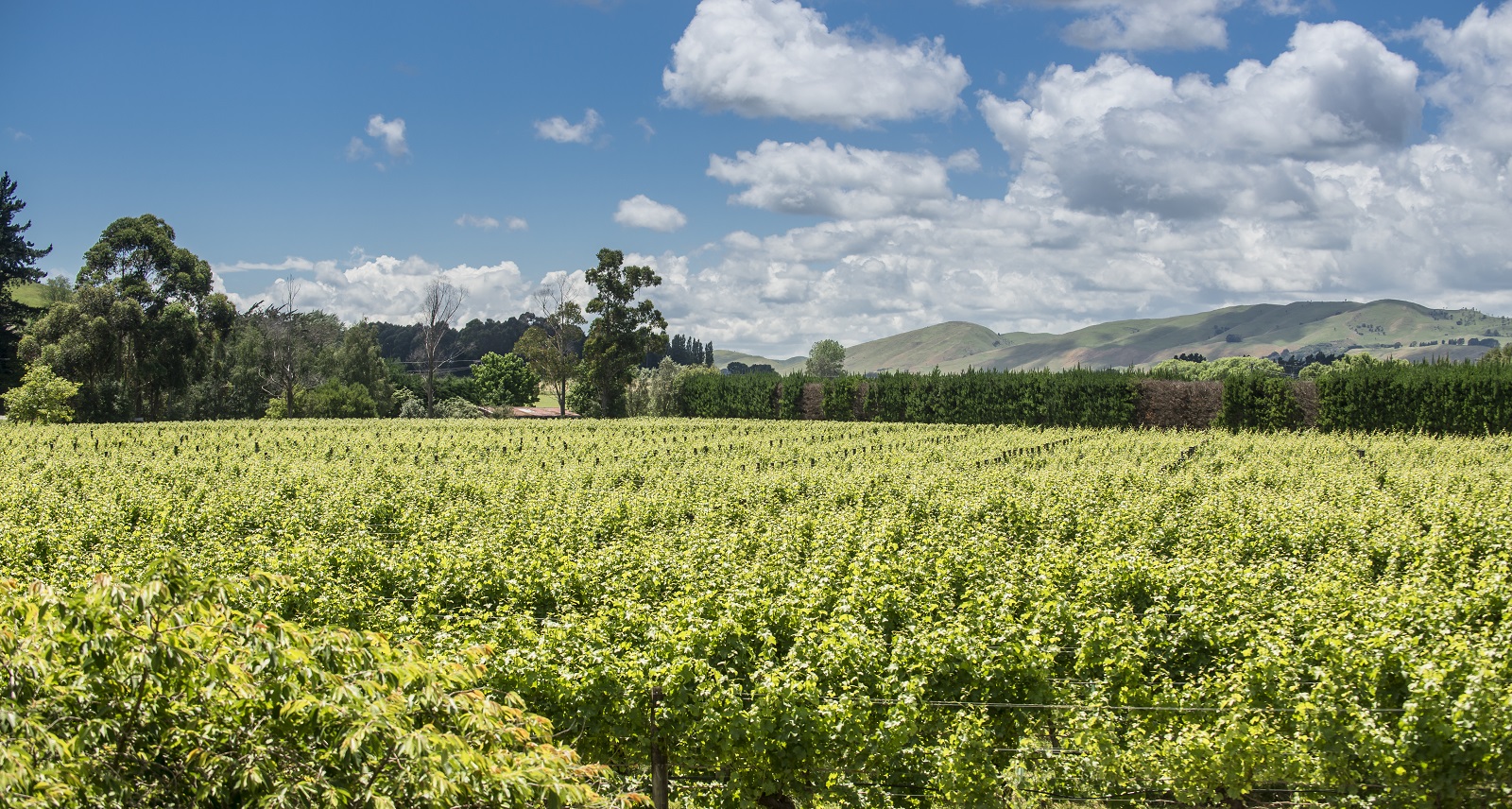
One of the most practical parts of choosing the best time to visit Wairarapa wine region is understanding when booking matters more. In busier travel periods, especially when warm weather, weekends, events, or popular holiday timing align, planning ahead becomes much more useful. This does not mean the region loses its relaxed character. It simply means that the easiest weekends are usually the ones where a few key decisions have already been made: where you are staying, which cellar doors matter most, where lunch fits, and how transport will work.
In quieter or shoulder seasons, spontaneity can become much easier. This is one of the reasons some travelers love these periods so much. The region can feel more open to discovery and less dependent on fixed reservations. Even then, however, a little planning still improves the trip, especially for smaller wineries or limited cellar door hours. The point is not that spontaneous travel is impossible. It is that “easy” weekends are often easier because someone made two or three smart decisions in advance.
In practice, the best approach is selective planning. Book the things that would genuinely disappoint you to miss. Leave the rest with enough flexibility that the weekend can still breathe. That balance tends to work well in Wairarapa because it preserves both structure and pleasure.
When Advance Planning Helps Most
Advance planning helps most when you are travelling in popular warm-weather periods, on weekends, around events, or with a group that wants a specific lunch or cellar door experience. It protects the trip from friction rather than making it rigid.
When Flexibility Becomes an Advantage
Flexibility works best in quieter times when the region’s slower rhythm can support a more intuitive route. These can be very satisfying trips because they leave more room for unexpected discoveries and a gentler pace.
So When Is the Best Time to Visit Wairarapa Wine Region?
The most honest answer is that the best time to visit Wairarapa wine region depends on what kind of wine traveler you are. If you want long days, easy lunch stops, and a classic open-air wine weekend, warmer months are very appealing. If you want harvest energy and a stronger sense of wine country in motion, vintage season can be especially rewarding. If you want calmer tasting rooms, lower-pressure travel, and more space to ask questions, quieter or cooler periods may suit you far better. If you want Pinot Noir to feel especially seasonally right, autumn has a strong emotional advantage.
That may sound less simple than naming one perfect month, but it is much more useful. The point of seasonal planning is not to chase an abstract “best time.” It is to choose the version of Wairarapa that best fits the trip you want to have. Once you approach timing that way, the decision becomes clearer, and the weekend usually becomes much better.
After this article, the strongest next reads are our guides to the Wairarapa wine region, Wairarapa wine tasting, Gladstone wineries, and the history of Wairarapa wine. Together they turn seasonal timing from a vague travel question into a practical tool for planning a much better wine trip.
FAQ
What is the best time to visit Wairarapa wine region for Pinot Noir?
Many Pinot Noir lovers especially enjoy autumn because the cooler mood, richer food pairings, and vineyard atmosphere feel particularly natural for the region’s signature red. However, quieter winter weekends can also be excellent for more focused tasting.
Is harvest season the best time to visit Wairarapa?
Harvest can be especially rewarding if you want a stronger sense of vineyard activity and vintage atmosphere, but it is not automatically the best choice for every visitor. Quieter shoulder or cooler seasons may suit travelers who want a calmer tasting pace.
When is Wairarapa easiest for a relaxed tasting weekend?
Shoulder and quieter periods are often easiest for relaxed tasting weekends because cellar doors may feel calmer, booking pressure is lighter, and the route can be shaped with more flexibility.
Does Martinborough feel different depending on the season?
Yes. In busier warm-weather periods it can feel more lively and social, while in quieter times it often becomes more relaxed and better suited to slower comparative tasting.
What should I read after this article?
The strongest next reads are our guides to the Wairarapa wine region, Wairarapa wine tasting, Gladstone wineries, and history of Wairarapa wine.