Gladstone wineries are often overshadowed by the stronger name recognition of Martinborough, but that is exactly why they can be so rewarding to explore. For visitors who already know that Wairarapa is one of New Zealand’s most interesting boutique wine regions, Gladstone offers a chance to understand the area in a deeper and less obvious way. Instead of simply repeating the best-known village wine route, this subregion adds another side to the regional story: quieter pacing, a broader sense of landscape, and wineries that can feel more spacious, more personal, and sometimes more unexpected than first-time visitors assume.
That does not mean Gladstone is an alternative only for people who want to avoid Martinborough. It is more useful to think of it as a complementary lens on the wider Wairarapa wine region. If Martinborough often acts as the public face of Wairarapa wine, Gladstone helps explain the depth behind that identity. It shows that the region is not a one-village brand but a more varied wine landscape with different moods, tasting experiences, and winery personalities. This makes Gladstone especially appealing to repeat visitors, slower travelers, and readers who are genuinely interested in how a wine region develops character beyond its headline name.
Another reason Gladstone wineries deserve more attention is that the subregion fits very well with the strengths that make Wairarapa attractive in the first place. The broader region is known for boutique producers, cellar doors that often feel approachable rather than overbuilt, and wines that reward thoughtful tasting rather than rushed consumption. Gladstone works within that same philosophy, but often with a quieter rhythm. This can be a major advantage if you want a wine day that feels less crowded, less obvious, and more naturally paced.
This guide is designed to show why Gladstone belongs in any serious Wairarapa wine itinerary. It explains what makes the subregion distinct, what wine styles you are most likely to notice, why the area can suit travelers who want a calmer experience, how to combine Gladstone with Martinborough or a wider regional route, what to expect from winery visits in a less concentrated area, and why Gladstone matters in the longer history of Wairarapa wine. If you want to begin with the broadest overview, return to our homepage guide to the Wairarapa wine region. If your interest is mainly in Pinot, our article on pinot noir across the region is the best companion. If you are already planning a slower itinerary, save our combine Gladstone with a weekend route guide. And if you want the deeper regional background after this, our article on how the region developed over time is the natural next step.
What Makes Gladstone Different Within the Wairarapa Wine Region
The best way to understand Gladstone wineries is to stop thinking of Wairarapa as a single uniform wine destination. One of the reasons the region is so interesting is that it includes several subregions that share a broader identity while still feeling distinct in personality. Gladstone matters because it expands the visitor’s sense of what Wairarapa can be. It is still part of the same boutique wine culture, still close enough to belong clearly within the regional wine map, and still capable of producing wines that sit naturally beside Martinborough in quality conversations. But it often feels less concentrated and less expected, and that changes the whole tone of the visit.
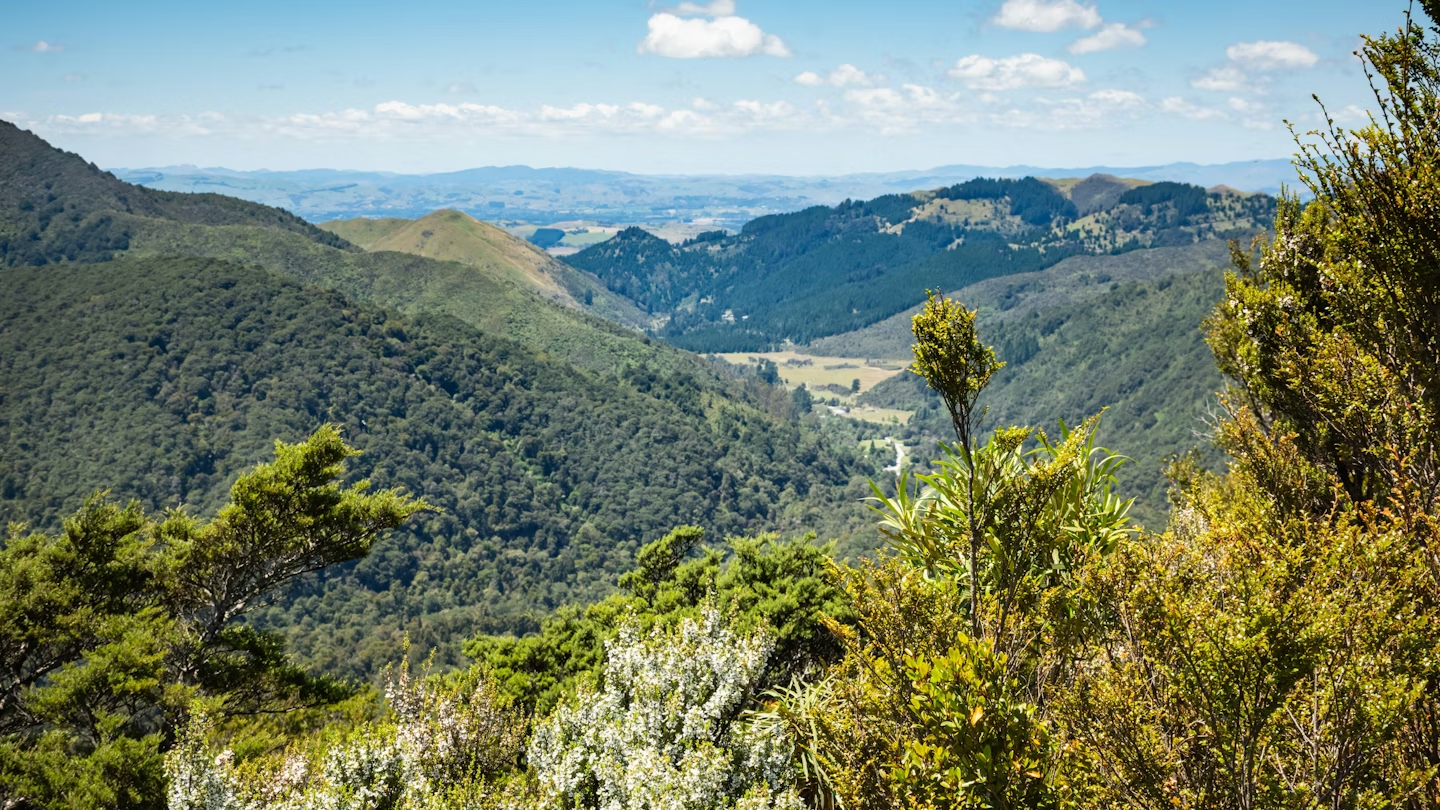
For many travelers, the difference is first felt through atmosphere. Gladstone can give the impression of a wine day with more space in it. There is often less pressure to move quickly, less temptation to treat the trip like a checklist, and more chance to notice the landscape around the winery rather than only the next tasting appointment. This does not make Gladstone “better” than Martinborough. It makes it useful in a different way. Some visitors want a compact, village-centered wine route. Others want a day that feels more open and less choreographed. Gladstone suits the second mood especially well.
It also matters because a region becomes more interesting when it resists simplification. If Wairarapa were only Martinborough, it would still be appealing, but it would be easier to reduce to a marketing shorthand. Gladstone makes that impossible. It reminds visitors that regional wine character is usually broader than the best-known label attached to it.
Why Subregional Difference Matters to Visitors
Subregional difference is not just a technical concept for wine professionals. It changes the travel experience in practical ways. It affects what kind of route feels right, how much contrast you can build into a day, and what sort of winery atmosphere you are likely to remember. In that sense, Gladstone is valuable because it adds another kind of wine day to the Wairarapa toolkit.
Why Gladstone Often Feels Calmer
One of the strongest reasons people respond well to Gladstone is that the subregion often feels less concentrated around one central village tasting pattern. This can create a calmer and more spacious impression, especially for travelers who do not want the day to feel too tightly scripted.
Wine Styles and Tasting Profiles Commonly Associated With Gladstone
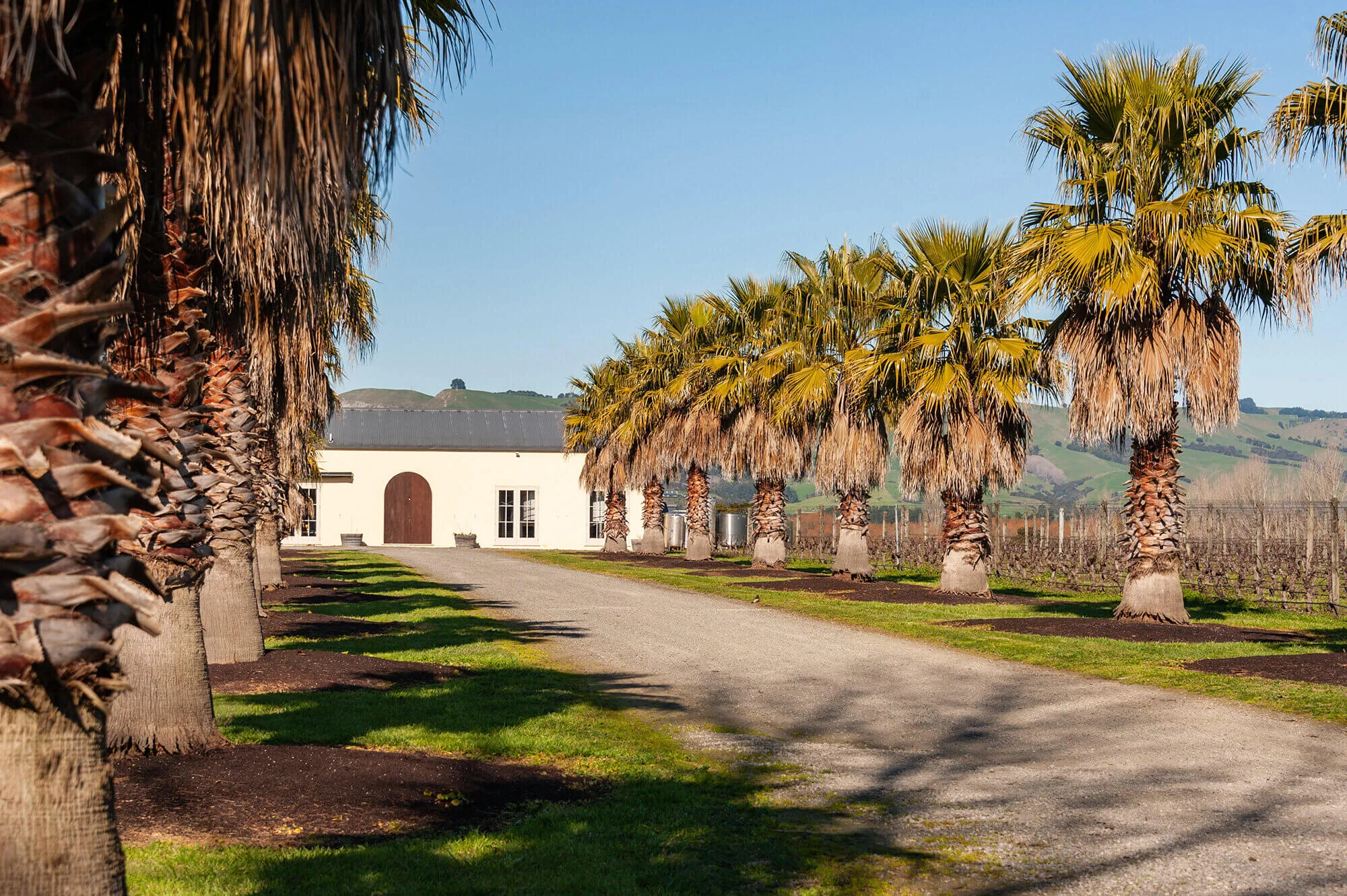
When readers first explore Gladstone wineries, one of the most useful questions is what they should expect in the glass. The answer is not a single formula, but there are still helpful patterns. Like the wider Wairarapa region, Gladstone can produce wines that feel refined, balanced, and shaped by a quality-first approach rather than by volume. That broad boutique ethos matters because it gives the subregion an immediate credibility even before you start comparing specific wineries.
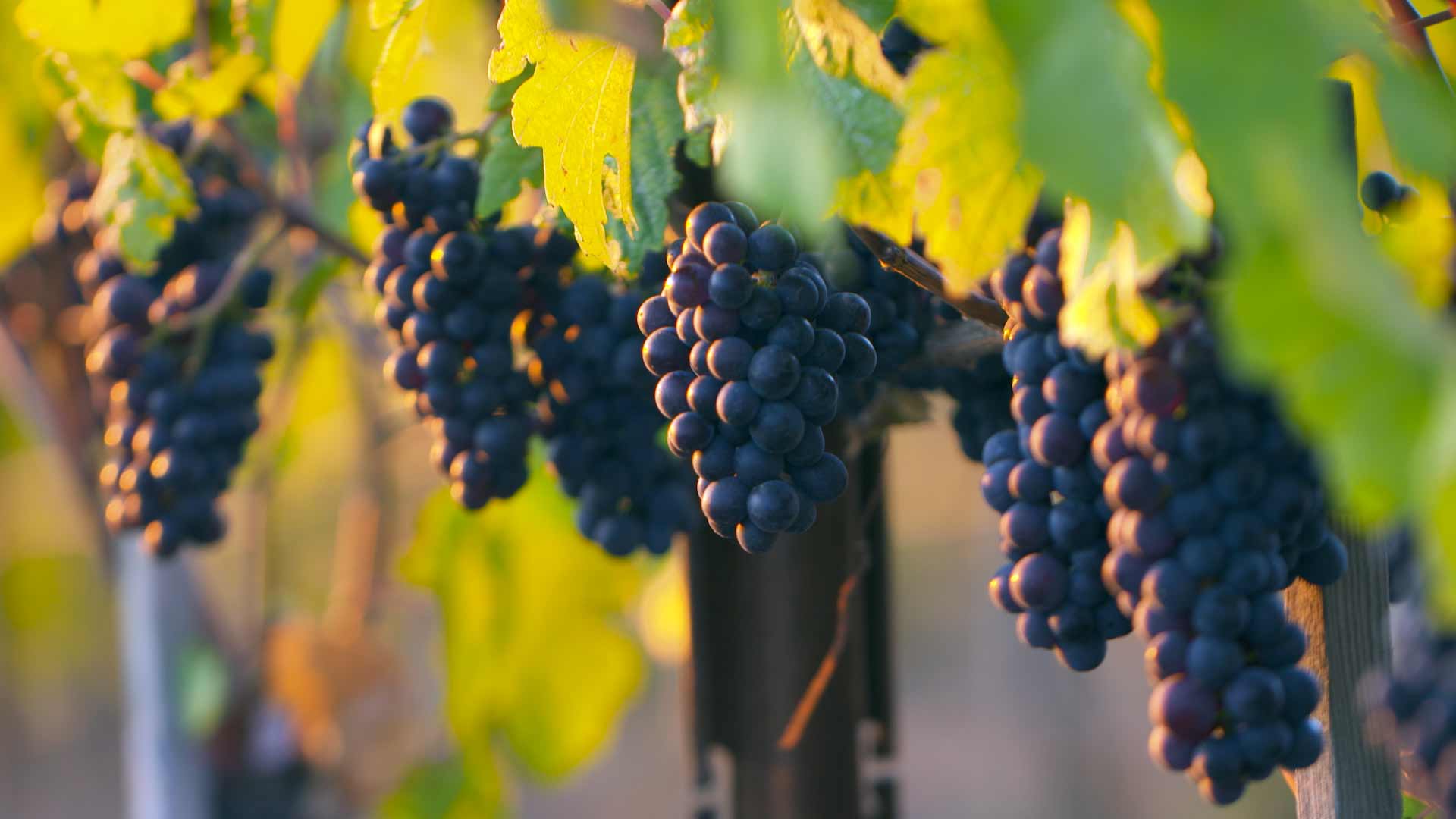
Pinot Noir remains central to the conversation, and many visitors will naturally begin there. This makes sense, because Pinot Noir is such an important part of Wairarapa’s overall identity. But Gladstone also works well as a place to broaden your understanding of the region beyond its most famous red. Chardonnay, Sauvignon Blanc, Pinot Gris, and other styles can all add depth to the tasting experience and show that the subregion deserves attention for more than one bottle category. A useful Gladstone visit is often one that balances the expected with the surprising.
Another key point is that the wines here often reward slower tasting. In a subregion where the overall mood may feel less rushed, visitors are often better placed to notice texture, structure, freshness, and style differences rather than simply ticking varieties off a list. This can make a Gladstone tasting day feel especially educational without becoming formal or heavy.
Pinot Noir
Pinot Noir is still the most obvious place to start because it links Gladstone clearly to the broader prestige of Wairarapa wine. Tasting Pinot Noir here helps show that the regional story is wider than Martinborough alone. If you want the full regional red-wine perspective, our article on Wairarapa Pinot Noir explains how these wines fit into the bigger picture.
Chardonnay
Chardonnay is often one of the most useful categories for visitors who want to understand a producer’s style beyond the headline variety. It can reveal restraint, texture, and winemaking choices in a particularly clear way, and it often adds welcome contrast to a Pinot-led tasting route.
Aromatics and Other Styles
Pinot Gris, Sauvignon Blanc, and other aromatic styles help round out the picture. They are especially useful if you want the day to feel more varied and if your group includes people with different wine preferences. This is one of the reasons Gladstone works well in mixed tasting itineraries.
Why Gladstone Can Appeal to Travelers Who Want a Quieter Wine Day
Not every wine traveler wants the same kind of day. Some people love the energy of a concentrated village route with multiple tasting rooms in close succession. Others prefer a slower day with fewer stops, more room between them, and more attention to the wider setting. Gladstone wineries often appeal strongly to the second group. The subregion can feel like the part of Wairarapa that invites a deeper exhale. Instead of encouraging rapid movement, it often rewards people who are happy to let the route unfold more gently.
This quieter rhythm is especially useful for couples, repeat visitors, and anyone who feels that too much wine tourism can become repetitive when every stop follows the same pattern. Gladstone allows contrast. The landscape feels more present, the pacing can be more natural, and the tasting day may feel less like a circuit and more like a sequence of chosen visits. That can make the wines easier to remember, because memory tends to work better when the day itself has shape and room.
There is also a psychological advantage to quieter subregional travel. People often ask better questions and pay closer attention when they do not feel they are hurrying toward the next stop. The wine becomes easier to understand because the day is less compressed. In that sense, Gladstone is not only quieter. It can also be more useful.
Why Slower Routes Create Better Wine Memory
A wine day becomes more memorable when the stops feel distinct and properly spaced. If every visit blends into the next, even very good wines can become harder to recall. Gladstone’s calmer feel helps prevent that kind of blur.
Why Repeat Visitors Often Value Gladstone More
Travelers who have already seen the most obvious side of Wairarapa often appreciate Gladstone because it adds nuance to the regional story. It rewards curiosity rather than only first-glance appeal, which makes it especially satisfying for people returning to the region.
How to Combine Gladstone With Martinborough or a Wider Regional Route
One of the smartest ways to use Gladstone wineries in a trip is not to treat them as a separate world, but as part of a broader regional itinerary. This is where Wairarapa becomes particularly attractive. The region is compact enough that visitors can think in terms of combinations rather than hard separations. You do not need to choose between Martinborough and Gladstone as if they cancel each other out. Instead, you can use each one to sharpen your understanding of the other.
A Martinborough-focused route often works well for a first day because it gives you the best-known face of the region in an accessible form. A Gladstone day or half-day can then add breadth, especially if you want to avoid repeating the same kind of tasting experience. This kind of sequencing is very effective. It allows Martinborough to provide recognition and structure, while Gladstone adds range and a quieter counterpoint. The trip feels more complete because the region stops looking like one tightly branded village experience and starts behaving like a layered wine destination.
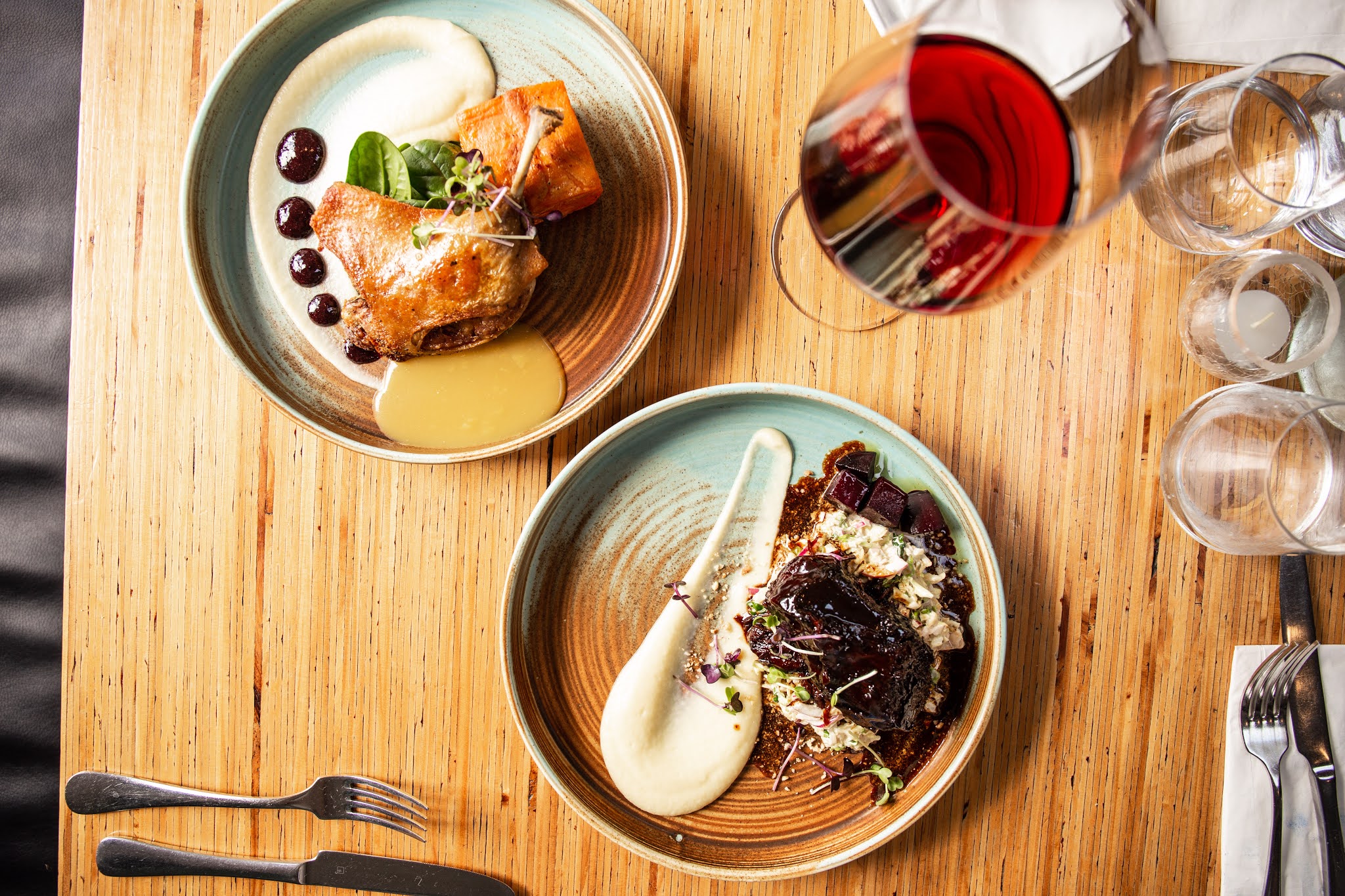
Gladstone also works well in a wider Wairarapa weekend plan where food, scenery, and pacing are as important as the wines themselves. This is often the best way to use the subregion: not as a rushed detour, but as part of an itinerary designed to show different regional moods. If that is the kind of trip you are planning, our weekend route planner is built for exactly that style of visit.
Use Martinborough for Focus, Gladstone for Breadth
Martinborough often gives a trip a clear centre of gravity. Gladstone then broadens the experience and prevents the region from feeling too one-dimensional. Together, they produce a better understanding of Wairarapa than either one alone.
Do Not Overload the Route
The great advantage of combining subregions is contrast, not quantity. If you try to compress too much into the schedule, you lose the very differences that make the combined route worthwhile. A two-day pace is usually much better than forcing everything into one dense afternoon.
What to Expect From Winery Visits in a Less Crowded Subregion
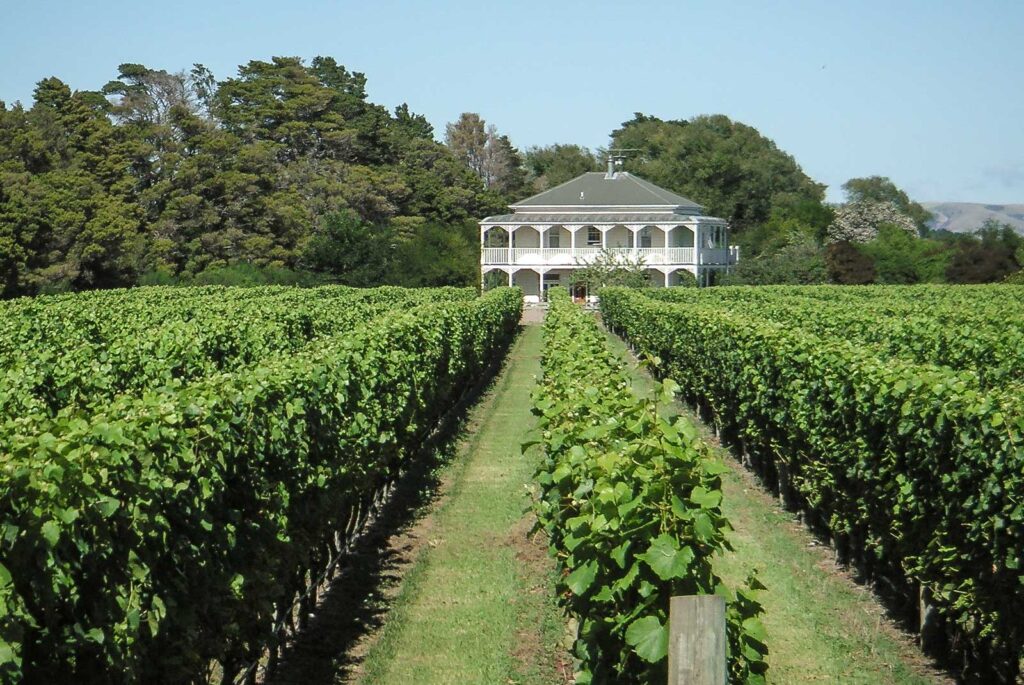
Visitors often ask whether a quieter subregion means a less interesting one. In the case of Gladstone wineries, the answer is no. A less crowded subregion does not mean less serious wine. It often means a different kind of visit. The tasting may feel more relaxed, the property more visible, and the route itself less defined by tourism momentum. For many travelers, this is a strong advantage. It allows the winery to feel more like a place and less like a stop on a standard circuit.
This also affects how you should think about planning. In a quieter area, individual winery identity matters even more. Because the subregion is not being carried by one dominant tourism script, each producer can contribute more strongly to your impression of the day. This means your choices become more important, but also more rewarding. A well-planned Gladstone route can feel deeply satisfying because each stop leaves a clearer mark.
At the same time, a quieter subregion often asks for a little more intention. You may want to confirm opening hours, think more carefully about transport, and decide whether the day will include lunch or a second subregional shift. None of this is difficult. It simply means that a slightly more deliberate mindset will usually improve the result. That is true in most boutique wine regions, and Gladstone is no exception.
Why Winery Personality Shows More Clearly
When the surrounding tourism pressure is lower, the individuality of each winery can become easier to feel. This can be one of the real pleasures of a Gladstone visit: you do not only remember the wines, you remember the character of the place where you tasted them.
Why a Smaller Number of Stops Often Works Best
A less crowded subregion often deserves a less crowded itinerary. Three thoughtful visits may teach you much more than five hurried ones. Gladstone especially rewards this slower style of planning.
How Gladstone Fits Into the Longer Story of Wairarapa Wine
A wine region becomes more meaningful when you understand how its parts connect over time. Gladstone wineries matter not only because they offer good tasting days now, but because they help show that Wairarapa was never meant to be reduced to one single subregional identity. The region’s strength comes partly from diversity within a shared boutique culture. Martinborough may be the name most visitors recognise first, but Gladstone helps make the overall story more complete and more convincing.
This is important for readers because historical understanding improves modern travel. Once you realise that Wairarapa developed as a region with multiple subregional voices, you stop looking for one “correct” version of the place. Instead, you begin looking for contrast, connection, and style differences. That shift makes winery visits more useful and more interesting. You start to ask not just which producer is famous, but what each part of the region contributes to the whole.
Gladstone therefore belongs in the long-term identity of Wairarapa wine, not at its edge. It adds complexity to the travel experience, credibility to the regional map, and more options for visitors who want to move past the obvious version of wine tourism. If you want to see how this fits the broader regional evolution, our article on the history of Wairarapa wine explains that larger arc.
Why Gladstone Is Worth Building Into Your Next Wairarapa Trip
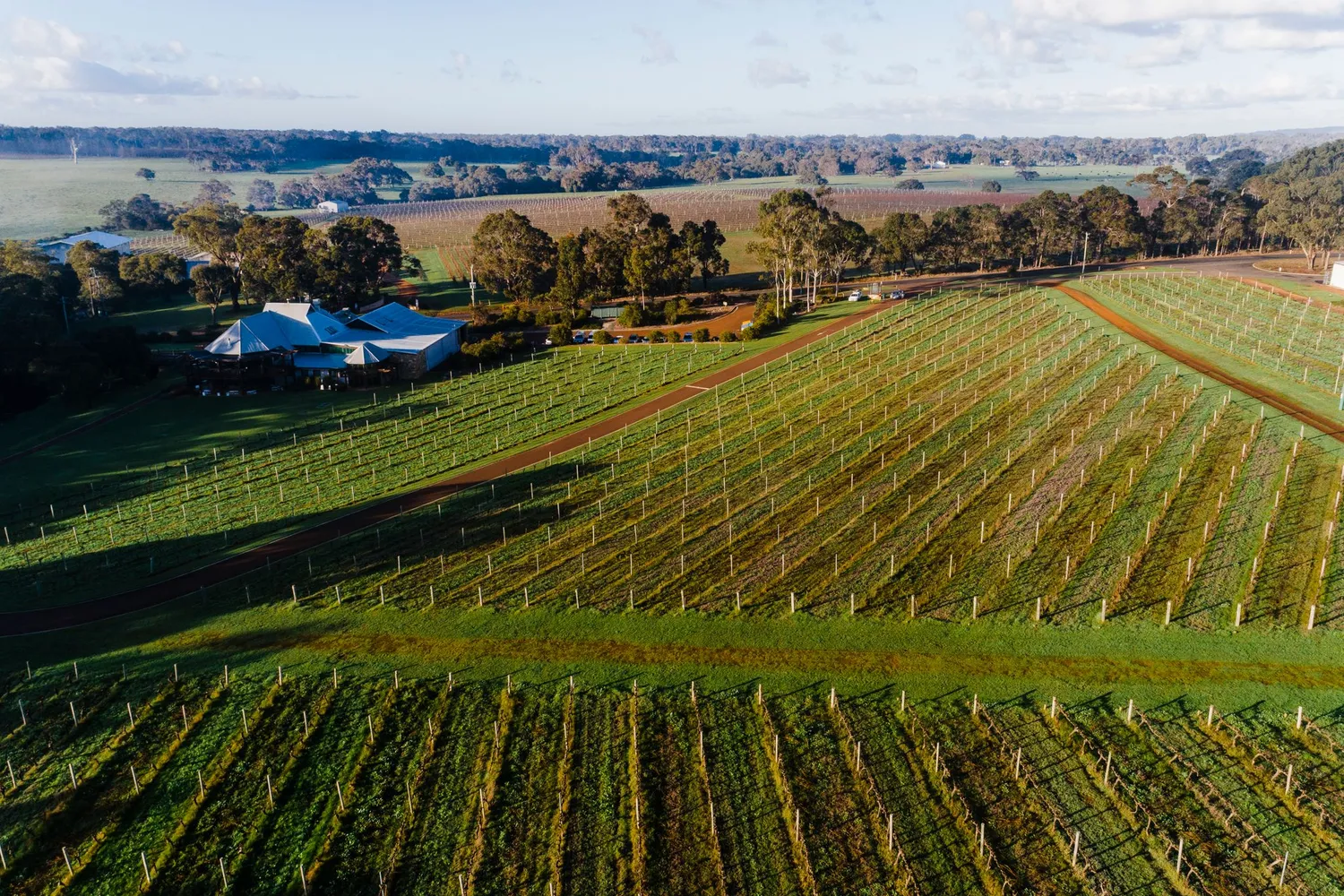
In the end, Gladstone wineries deserve more attention because they expand what Wairarapa can be for the visitor. They prove that the region’s appeal does not begin and end with its best-known village. They offer a quieter but still compelling wine day, give more shape to the idea of Wairarapa as a diverse region, and create room for travelers who want something more reflective than a purely high-traffic tasting route.
They also make the whole region stronger as a destination. A wine area that can offer both concentrated village tasting and broader subregional discovery is much more interesting than one that depends on only a single tourism pattern. Gladstone helps Wairarapa become that larger kind of place. It gives repeat visitors a reason to come back and first-time visitors a reason not to stop at the most obvious map pin.
After this article, the strongest next steps are our guides to the Wairarapa wine region, Wairarapa Pinot Noir, Wairarapa wine weekend, and the history of Wairarapa wine. Together, they turn Gladstone from a quiet name on the regional map into a much more useful part of the wine experience.
FAQ
What are Gladstone wineries known for?
Gladstone wineries are known for being part of the boutique Wairarapa wine scene and for offering a quieter, less crowded subregional experience that still fits naturally into the region’s reputation for quality wines.
Is Gladstone part of the Wairarapa wine region?
Yes. Gladstone is one of the three main Wairarapa wine subregions, alongside Martinborough and Masterton.
Is Gladstone only worth visiting for Pinot Noir?
No. Pinot Noir is important, but visitors can also use Gladstone to explore Chardonnay, Sauvignon Blanc, Pinot Gris, and other wines that broaden the Wairarapa picture.
Should I visit Gladstone instead of Martinborough?
They are best treated as complementary rather than competing destinations. Martinborough often gives a first-time visitor a clear starting point, while Gladstone adds range and a quieter perspective.
What should I read after this article?
The best next reads are our guides to the Wairarapa wine region, Wairarapa Pinot Noir, Wairarapa wine weekend, and history of Wairarapa wine.