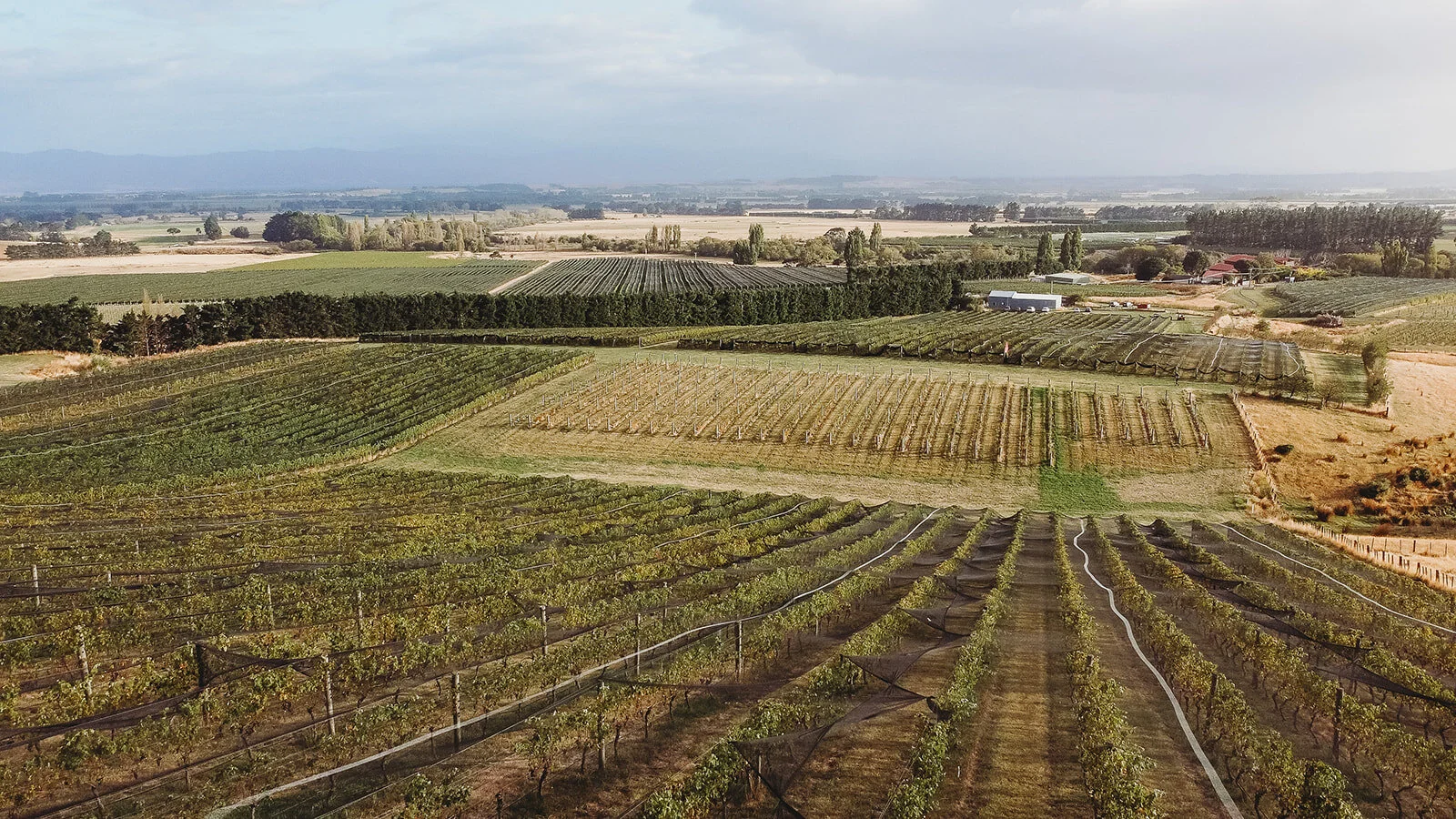
The history of Wairarapa wine is a story of reinvention: early ambition, a long pause, and then a late-20th-century revival that turned a quiet corner of the lower North Island into one of New Zealand’s most respected boutique wine regions. Today, many visitors arrive thinking about Pinot Noir, cellar doors, and weekend itineraries, but the region’s identity makes much more sense when you understand how it formed. Wairarapa didn’t become important because it tried to be large. It became important because a small group of pioneers built a quality-first culture on the right sites, proved what the region could do, and then inspired a wider wave of producers and visitors to follow.
This article explains the history of Wairarapa wine in a practical way: what came first, what changed the region’s direction, why Martinborough’s terrace plantings became so influential, how Pinot Noir moved from “promising” to “defining,” and how subregions like Gladstone and the wider Masterton/Opaki area helped round out the modern story. If you want the modern visitor view alongside this history, start with the Wairarapa region starter guide. If Pinot Noir is your main reason for visiting, pair this article with our Pinot identity and style guide. For a quieter subregional lens that fits beautifully into the historical picture, see Gladstone subregion overview. And if you’re planning a trip around seasonal mood and harvest timing, use the season-by-season visit planner.
Early Vines, a Long Pause, and Why the Region Had to Restart
Wairarapa’s wine story is not a straight line. The region’s early vineyard ambition dates back to the 19th century, when vines were planted in 1883, only for that first wave to be cut short by the temperance movement in 1905. The result was not a small setback but a long interruption that effectively forced the region to begin again later, under very different conditions and with a more modern understanding of site selection, grape suitability, and regional potential.
That long pause matters because it helps explain why Wairarapa feels like a “modern classic” rather than an old-world inheritance. The region’s reputation is not built on centuries of uninterrupted tradition. It is built on deliberate choices made in the late 1970s and early 1980s, when a new generation decided the region could produce serious wine and then proved it with results.
Late 1970s: The Study, the Terrace, and the Moment the Modern Story Starts
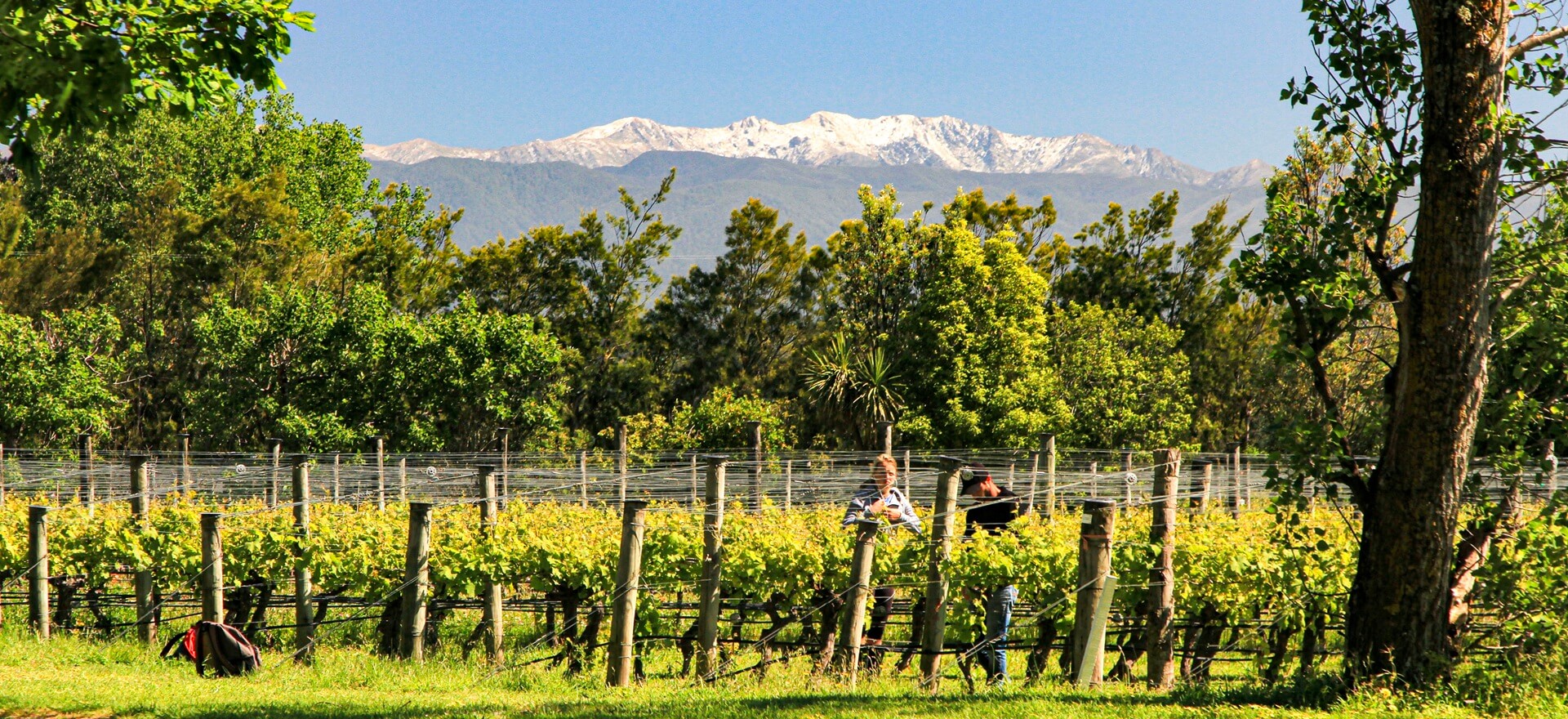
Wairarapa’s modern wine history begins in the late 1970s, when careful attention turned to Martinborough’s stony terraces and their suitability for quality viticulture. This period is often described as unusually deliberate for New Zealand wine at the time: people weren’t only planting vines because it seemed fashionable; they were planting because the land and climate signaled genuine potential, especially for varieties like Pinot Noir.
This matters because the region’s identity is tied to the idea of “right place, right grape, right scale.” The stony terrace concept became more than a geographic detail. It became the foundation of a whole regional reputation, especially as early plantings began to show that Pinot Noir could deliver complexity and consistency here.
The first wave of vineyards
One of the most important milestones in the history of Wairarapa wine is the first modern wave of vineyards planted around 1979–1980. These early vineyards laid the groundwork for the region’s future image and, crucially, created a cluster effect: once a few strong producers proved the concept, the region began to look less like a gamble and more like a serious wine destination.
The Martinborough Pioneers and Why Their Timing Was Perfect
Martinborough’s early producers are central to the Wairarapa story because they turned theory into reputation. Plantings along Martinborough’s terrace around 1980 are repeatedly highlighted as the turning point that reshaped regional identity, with names that became enduring reference points in the New Zealand wine map. This is also where Pinot Noir began to move from “interesting” to “defining” in Wairarapa’s public image.
It is worth understanding why this first wave mattered so much. In many regions, early vineyards are scattered experiments. In Martinborough, early vineyards formed a concentrated nucleus. This concentration made it easier for knowledge, labour, equipment, and audience attention to accumulate. It also made it easier for visitors to experience the region: a cluster of wineries with strong Pinot identity is much more memorable than a few isolated vineyards spread across a large area.
If you want the modern travel expression of this pioneer story, our Martinborough wineries day-out guide is where the history becomes practical.
Why Pinot Noir Became the Signature and Not Just One More Variety
Every region benefits from a signature wine, but Wairarapa’s relationship with Pinot Noir is unusually strong because it aligns with the region’s boutique strengths. Pinot Noir rewards careful site choice and disciplined winemaking. It also tends to communicate place clearly, which makes it ideal for a region building a reputation around “distinct character” rather than “high volume.” Wairarapa’s success with Pinot Noir helped the region gain credibility quickly and hold it over time.
As the region’s Pinot Noir earned attention, producers began exploring other varieties more confidently, including Chardonnay, Pinot Gris, Riesling, and Sauvignon Blanc, but Pinot remained the anchor. It provided a consistent story for visitors and a clear benchmark for quality. That is why Pinot Noir is still the most common reason people travel to the area and why it continues to shape how Wairarapa is perceived nationally and internationally.
If you want the tasting-side detail that connects with this history, use our regional Pinot Noir style explainer.
Expansion Beyond Martinborough: Gladstone and the Wider Wairarapa Picture
One risk with famous wine villages is that outsiders start to treat them as the entire region. In Wairarapa, that would be a mistake. As Martinborough’s reputation grew, the wider region began to develop more visibly, and subregions like Gladstone helped Wairarapa become a more complete destination rather than a single-village story. This mattered both for wine quality and for travel experience: it gave visitors a quieter alternative, and it gave the region more stylistic range while still staying within a coherent boutique identity.
Gladstone is especially useful historically because it shows the region’s second chapter: once the early terrace plantings proved the concept, the region’s identity could broaden without losing focus. That broadening is part of why Wairarapa still feels interesting to repeat visitors: there is always another angle, another tasting rhythm, another subregional mood to explore.
For a practical visitor view of that second chapter, read our Gladstone wineries guide.
From Vineyards to Cellar Doors: How Wine Tourism Became Part of the Story
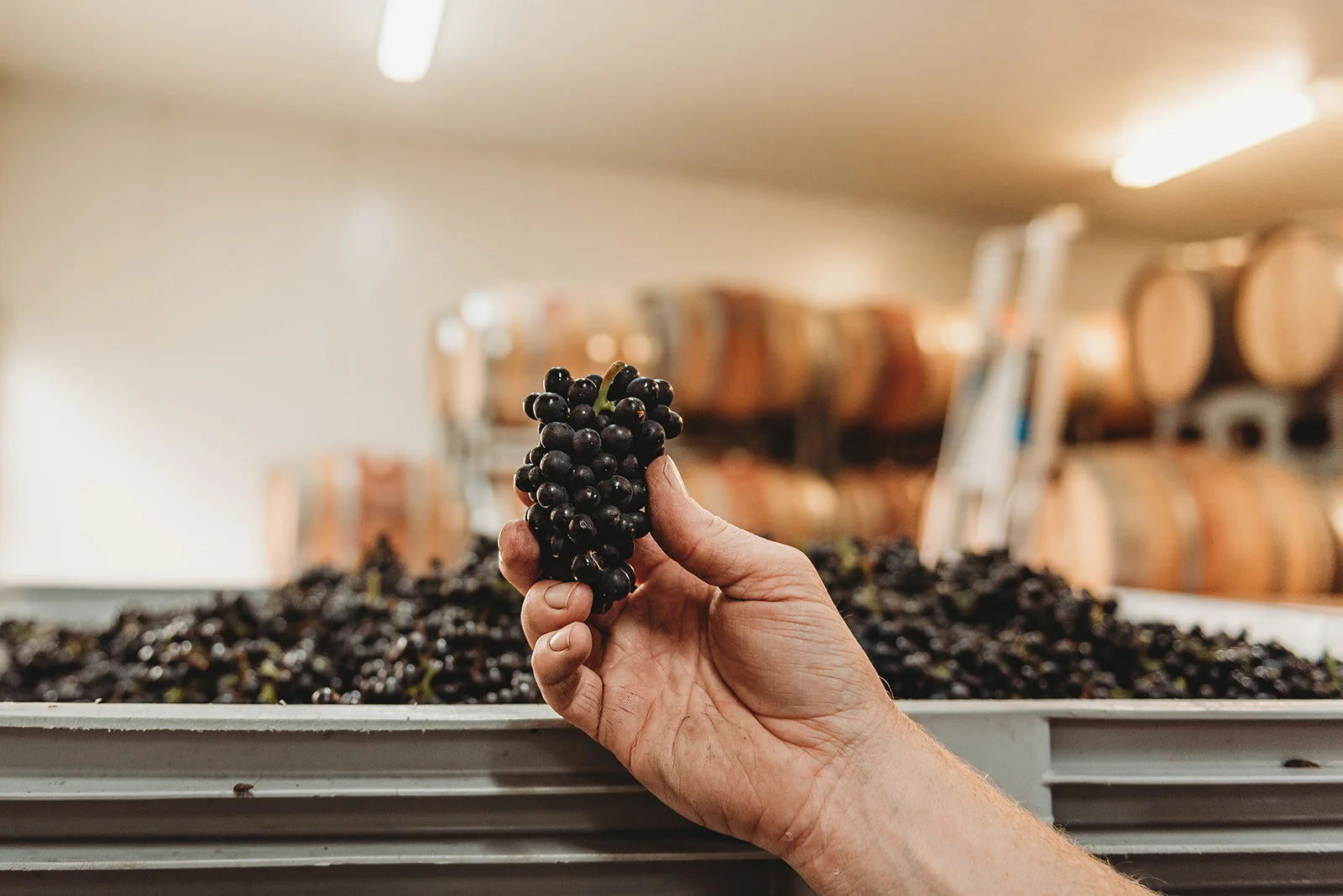
Wairarapa did not become a modern wine destination through production alone. Visitor culture grew alongside reputation. As more people began traveling for Pinot Noir and boutique winery experiences, cellar doors became one of the region’s strengths. The ability to taste across a compact area, speak with knowledgeable staff, and build a full day around wine, food, and relaxed movement turned Wairarapa into a region that works not only in the glass but also in travel reality.
This tourism layer matters historically because it helped sustain the boutique model. Regions that depend on high volume often behave differently. Wairarapa’s visitor culture fits its quality-first identity: people come for a thoughtful wine day or a weekend, not for an industrial spectacle. Over time, that reinforces the region’s reputation and helps keep producer culture focused on what the region does best.
Festivals and the public face of the region
Wine festivals also became part of Wairarapa’s modern identity by connecting wineries with food producers, restaurants, and wider community life. These events help translate “regional wine reputation” into a shared social experience and often become a gateway for new visitors who later return for cellar doors and deeper tasting routes.
What This History Explains for Modern Visitors
The modern Wairarapa experience makes more sense when you know the historical logic behind it. The region feels boutique because it grew through deliberate, quality-minded plantings rather than through mass-scale expansion. Martinborough feels central because the early terrace plantings created a reputation nucleus. Pinot Noir feels defining because it matched the region’s strengths and became the clearest identity signal. Gladstone and the wider region matter because Wairarapa’s story is richer than one village, and the region’s travel experience improves when you explore more than one mood.
This is also why most people enjoy Wairarapa more as a weekend than as an overpacked day trip: the region was built for attention, not speed. If you want a practical itinerary that respects that, use our two-day Wairarapa wine weekend plan.
FAQ
When did modern Wairarapa winemaking begin?
Modern Wairarapa wine history dates from the late 1970s, after earlier vines planted in 1883 were effectively halted by the temperance movement in 1905.
Why is Martinborough so central to Wairarapa wine?
Martinborough became central because early terrace plantings around 1979–1980 formed a concentrated nucleus of serious vineyards that helped establish Pinot Noir reputation quickly and convincingly.
Why is Pinot Noir the signature wine of Wairarapa?
Pinot Noir became the signature because it aligned strongly with Wairarapa’s boutique strengths, reflects place clearly, and helped the region earn a durable reputation for quality.
Is Wairarapa only Martinborough?
No. Subregions such as Gladstone and the wider Masterton/Opaki area contribute to Wairarapa’s diversity and make the region more complete as both a wine identity and a travel destination.
What should I read next on this site?
Start with the Wairarapa wine region guide, then use Wairarapa Pinot Noir, Gladstone wineries, and best time to visit Wairarapa to plan a smarter trip.