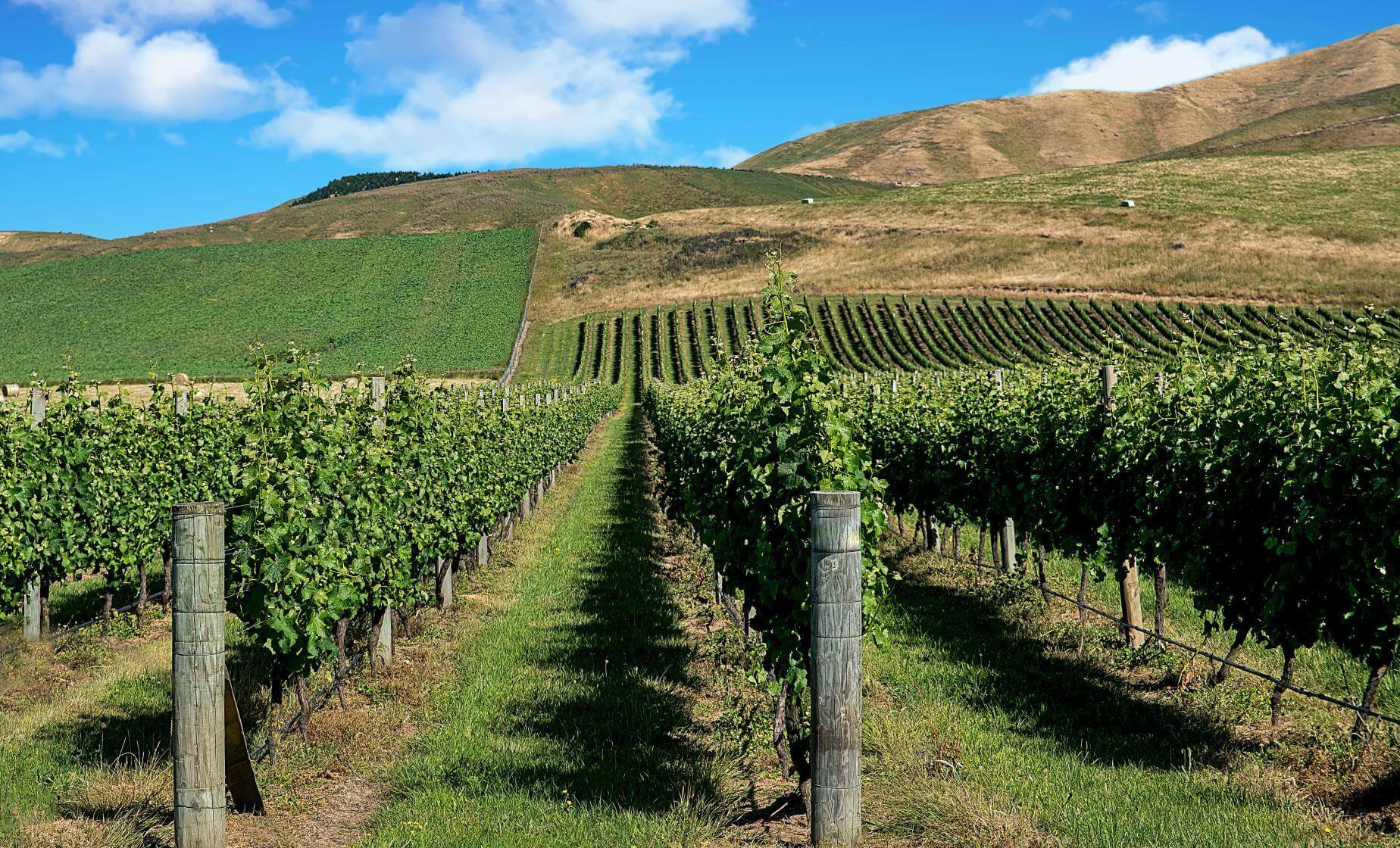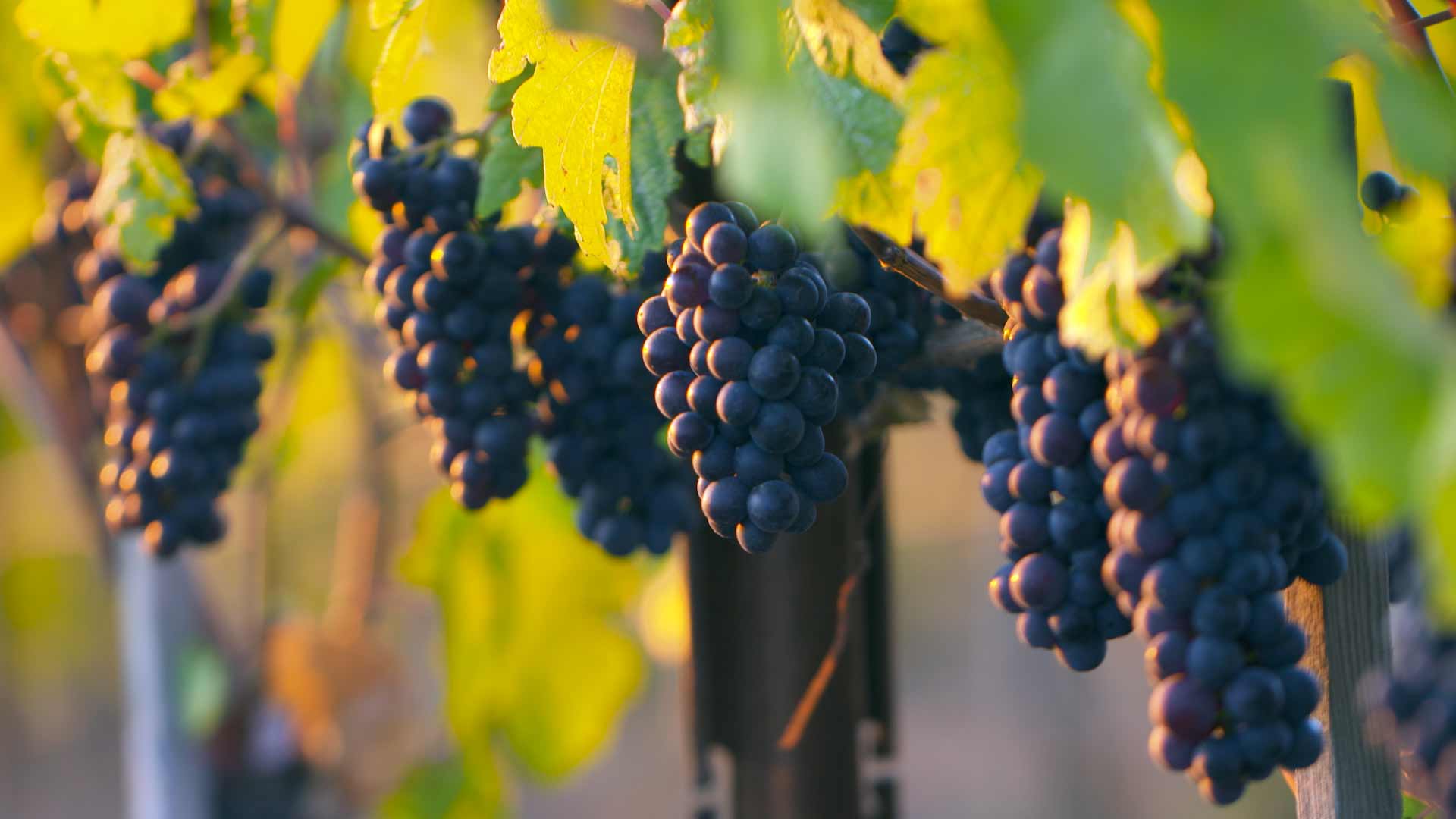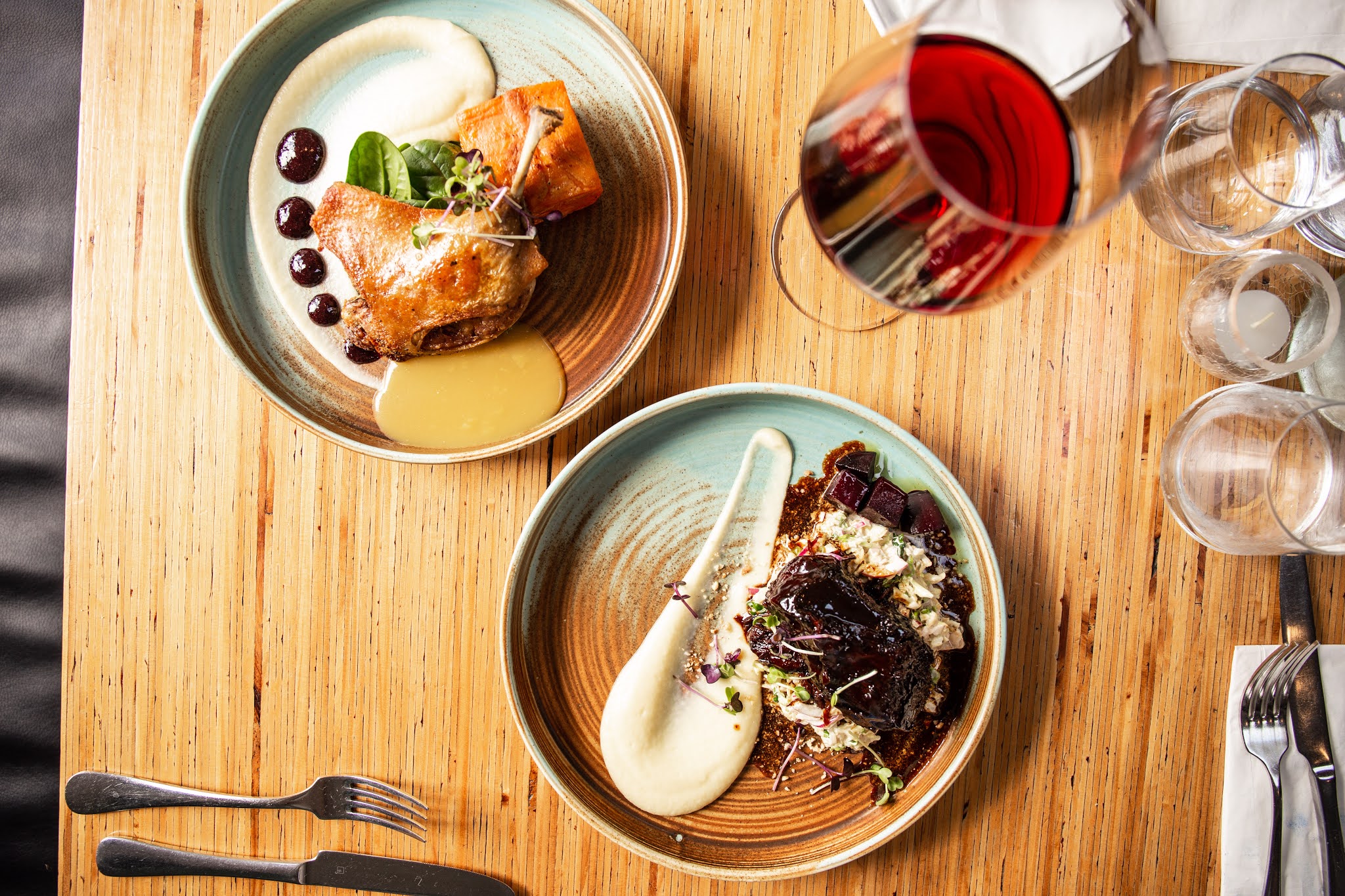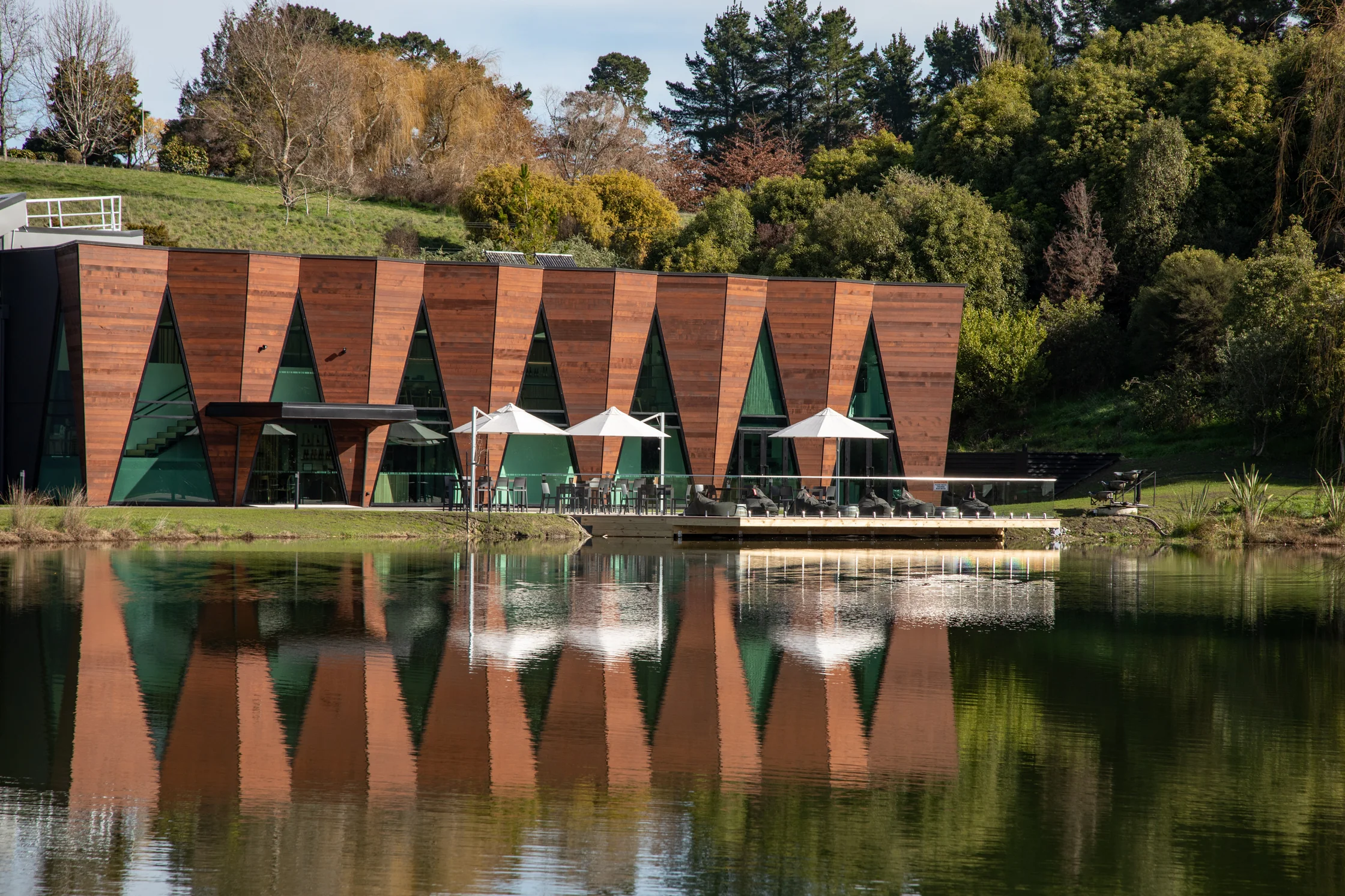
Wairarapa cellar doors are one of the biggest reasons the region works so well for real wine travel. A good cellar door does more than pour a few wines. It gives shape to the whole experience of the region. It lets you understand the producer, compare styles, ask questions, notice how a winery presents its identity, and decide whether the bottle in your glass is something you want to remember later. In Wairarapa, this matters even more because the region is built around a boutique, quality-focused wine culture rather than large-scale tourism. The cellar door is often the place where that personality becomes visible.
For visitors, this is good news. Wairarapa is not the kind of wine region where every tasting room feels interchangeable. Some cellar doors are small and conversational, some are polished but relaxed, some are ideal for a quick tasting stop, and some work best when you allow enough time for a slower seated experience, a meal, or a walk around the property. That variation is part of the pleasure. It means you can shape your route around what you actually enjoy instead of following a one-size-fits-all wine tourism formula.
The challenge, of course, is that many first-time visitors underestimate how much cellar door planning affects the quality of the day. People often focus on winery names and forget about rhythm. They do not think enough about how many stops are realistic, whether bookings are needed, how opening hours may change, when food fits in, whether the group wants education or atmosphere, and how different kinds of tasting rooms can change the mood of the trip. The result is a day that feels rushed, repetitive, or oddly tiring instead of clear and memorable.
This guide is designed to make Wairarapa cellar doors easier to navigate. It explains what a good cellar door experience looks like in this region, the main types of tasting-room visits you are likely to find, how to choose the right stops if time is limited, how to behave in a way that gets more value from each visit, how transport and booking decisions shape the day, and how to build a self-guided route without overloading your palate. If you want the bigger picture first, begin with our homepage guide to the Wairarapa wine region. If your day will likely centre on the area’s best-known village, continue later with our article on Martinborough wineries. If you want a more practical beginner framework for tasting itself, save our guide to Wairarapa wine tasting. And if you are already thinking in terms of a slower itinerary rather than a rushed afternoon, our self-drive tasting route ideas will be the best next step.
What Makes a Good Cellar Door Experience in Wairarapa
A good cellar door experience begins with pace. This may sound simple, but it is one of the most important points in wine travel. A tasting room should feel like a place where wine can be understood, not just consumed. In Wairarapa, the best cellar doors usually succeed because they make space for conversation, comparison, and context. Even if the visit is short, you should come away with a clearer sense of what the producer is about and what makes the wines distinct. If that happens, the stop has done its job well.
The second element is atmosphere. Many of the best Wairarapa cellar doors feel approachable rather than intimidating. This matters because it changes how willing visitors are to ask useful questions. If the tasting room feels welcoming, people relax. Once they relax, they notice more. They hear the story behind a wine, pay closer attention to the differences between wines, and make better decisions about what they actually like instead of what they think they are supposed to admire.
The third element is identity. A good cellar door should give you some sense of the producer’s personality. That might come through the wines themselves, the way the tasting is structured, the design of the room, the manner of the host, or how strongly the place feels connected to the vineyard and wider landscape. In a region as boutique as Wairarapa, this individuality is one of the great pleasures of the visit. You are not only tasting wine. You are tasting interpretation.
Why Personal Scale Matters
One reason Wairarapa cellar doors are so enjoyable is that many visits still feel direct and human. Smaller producers and accessible tasting rooms can make the day feel less like a packaged tourism circuit and more like a conversation with the region itself. That kind of experience often creates much stronger memories than a bigger but more anonymous wine visit.
Why Visitors Remember Atmosphere as Much as Wine
People often think they remember a region because of a single bottle, but just as often they remember how the tasting felt. A room that was calm, welcoming, and unforced can make the wines seem clearer and more vivid. In this sense, cellar door design is not separate from wine experience. It is part of it.
The Main Types of Cellar Door Experiences You Will Find
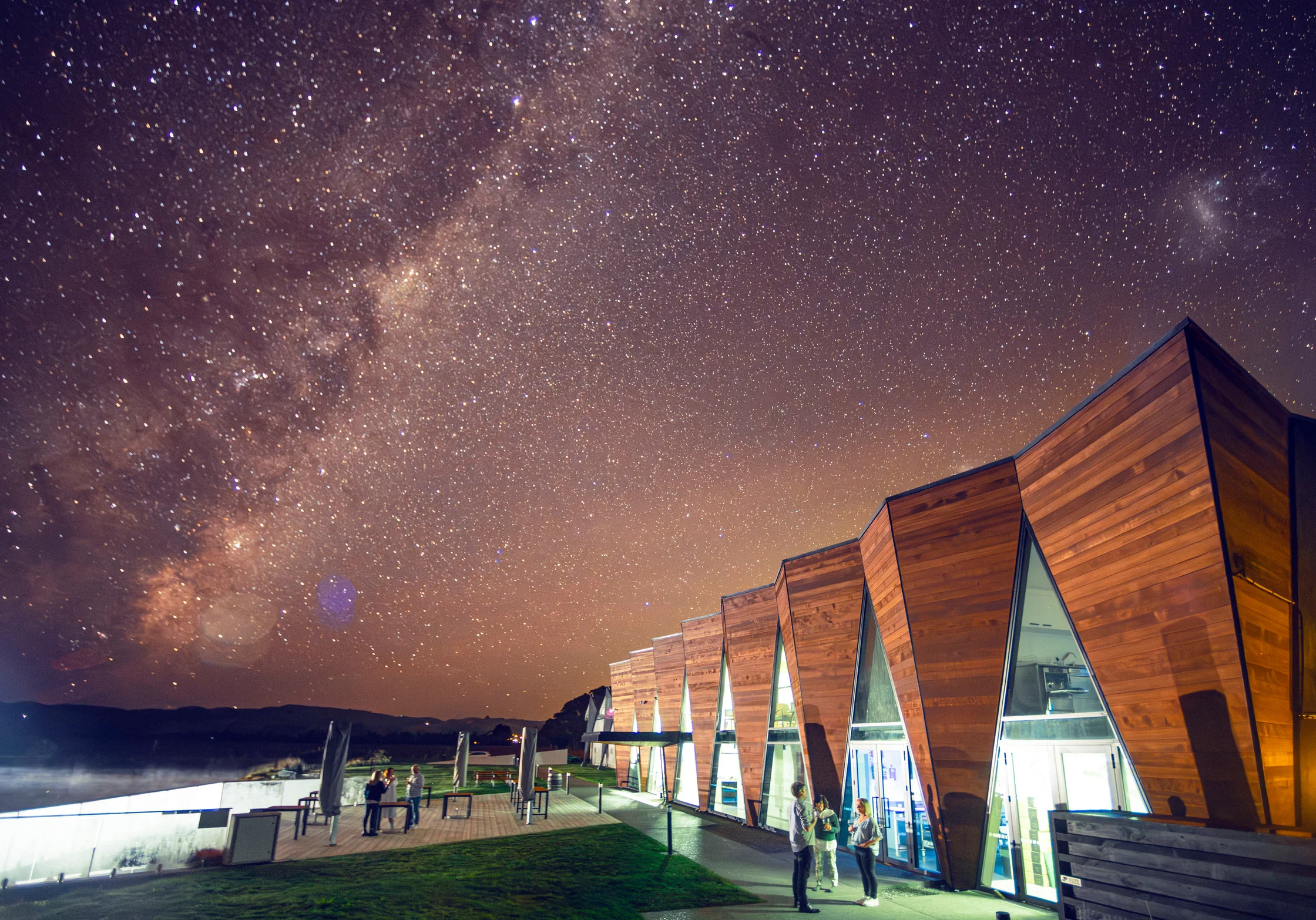
One of the most useful things a visitor can understand before arriving is that not all cellar doors serve the same purpose. Some are designed for efficient, walk-in tasting. Some reward advance planning. Some work best as a quick comparative stop. Others ask for more time because they include food, a seated format, or a broader estate atmosphere. Once you understand these categories, planning becomes much easier and your expectations become more realistic.
The first type is the walk-in tasting room. This is ideal if you want flexibility and an easier route through several wineries. The second is the booked or more guided tasting, which usually suits people who want to learn more, ask more, and compare wines in a more focused way. The third is the estate-style visit, where wine is only part of the experience and where the stop may include food, vineyard setting, or a longer social pause.
None of these is inherently better than the others. The key is matching them to your day. A route made entirely of quick walk-ins can become shallow. A route made entirely of longer booked visits can become exhausting. The best itinerary usually mixes types of experience so that the day stays both educational and enjoyable.
Walk-In Tastings
These are often the easiest stops to fit into a flexible route. They work well when you want a broad overview of the region, when you are moving through several wineries, or when your group prefers spontaneity. The advantage is speed and ease. The risk is that if every stop is this quick, the day can start to blur.
Booked Seated Tastings
A booked tasting often makes sense if you want more depth, more explanation, or a calmer experience with fewer distractions. These visits can be especially useful if you are genuinely trying to understand a producer’s style rather than just “see” a winery. For many wine lovers, at least one stop of this kind improves the entire day because it gives more context for everything else.
Estate Visits With Food
Some cellar doors make the most sense when treated as a longer pause in the itinerary. These are ideal for people who want lunch, a slower pace, and a stronger sense of place. They can anchor the middle of the day beautifully and stop the itinerary from becoming a sequence of hurried pours.
How to Choose the Right Cellar Doors if You Only Have One Day
When time is limited, choosing the right cellar doors becomes more important than choosing the greatest number of cellar doors. This is where many itineraries go wrong. Visitors assume that because Wairarapa is accessible, the best strategy is to fit in as many wineries as possible. In reality, one day works best when it has contrast, food, and breathing room. A small number of well-chosen cellar doors will usually teach you more about the region than a crowded schedule ever could.
A good one-day route usually begins with a clear question: what kind of wine day do you want? If you want to understand the best-known side of the region, then a Martinborough-focused route makes sense. If you want variety, mix one or two famous or central stops with one or two places that feel quieter or more personal. If you want atmosphere more than comparison, prioritise cellar doors where the setting itself adds to the experience. The right route is not the route with the most prestige. It is the route that fits your taste and pace.
Another practical point is to avoid accidental repetition. If all your cellar doors offer a similar format, the day becomes flatter. A route with one faster comparative stop, one more detailed tasting, and one lunch-oriented visit usually feels better than three very similar tastings back to back. If your day is going to lean heavily toward the village side of the region, our guide to top winery stops in Martinborough will help you narrow the field more intelligently.
Choose for Contrast, Not Just Reputation
It is natural to start with names you already recognise, but some of the best wine days come from balancing known producers with stops that reveal a different mood or style. Contrast helps memory. It also keeps the day more stimulating.
Choose for Energy, Not Just Geography
Visitors often plan only by map. But energy matters too. If the morning is built around more focused tasting, the afternoon may work better with a meal or a slower, more scenic stop. A route that respects energy usually feels more satisfying than one that is merely efficient.
How to Taste Respectfully and Get More Value From Each Stop
A cellar door experience improves dramatically when visitors know how to ask better questions and move through the tasting with a little intention. The goal is not to perform expertise. It is to become a better observer. A respectful, curious visitor tends to get more from the host, more from the wines, and more from the day overall. This is especially true in a region where many producers remain small enough that the tasting room still feels like an extension of the winery rather than a detached sales counter.
One good habit is to ask what the producer most wants visitors to understand about their wines. That question is much better than asking only what is most expensive or most famous. It gives the host a chance to explain identity, not just hierarchy. It also often leads to a more useful tasting because you begin to notice style rather than simply collecting names of grape varieties.
Another useful habit is to keep your own note-taking or mental tracking simple. Notice what you genuinely respond to. Which wine felt freshest? Which one had the most interesting texture? Which bottle would you most want with lunch? Which wine felt like the clearest signature of the producer? These questions are far more valuable than trying to sound like a sommelier after the third stop. If you want a fuller beginner framework for this side of the experience, our article on first-time tasting etiquette will build on exactly these skills.
Questions Worth Asking
Ask which wines best represent the producer’s style, how the current vintage compares in feel, and which wine local visitors come back for most often. These questions open up useful conversation without becoming forced or overly technical.
How Many Wines to Try
More is not always better. A tasting of four or five wines that you actually remember is usually more valuable than a longer lineup that leaves you unsure what you just had. The point is understanding and enjoyment, not volume.
Why Pacing Matters
The pace inside each cellar door matters as much as the pace between them. If you rush the wines, you lose contrast. If you linger too long everywhere, the route collapses. The ideal is steady attention, not hurry and not drift.
Booking, Transport, and Timing Tips That Make the Day Easier
Even the most relaxed wine day depends on a few practical decisions being made properly. Opening hours may vary. Some cellar doors are more appointment-friendly than drop-in friendly. Some work better for couples or smaller groups than for larger ones. Public holidays and seasonal changes can affect availability. All of this means that a little planning saves a lot of disappointment. The region feels easy precisely because visitors often arrive with just enough structure to keep things smooth.
Transport is equally important. Because many Wairarapa cellar doors are accessible and in some cases relatively close together, visitors sometimes underestimate the importance of building the day responsibly. Whether you are walking, cycling, self-driving with a designated driver, or choosing local transport options, the right travel setup makes the experience calmer and safer. It also lets everyone focus on the wines rather than on last-minute logistics.
Timing matters too. The ideal route usually starts early enough that the day does not feel compressed from the first stop. A rushed late start often pushes lunch too far back and makes the afternoon less useful. On the other hand, beginning with too many high-intensity tastings can leave the day feeling top-heavy. The best rhythm usually alternates attention and ease. If you are already thinking in itinerary terms rather than stop-by-stop planning, our self-drive tasting route ideas article is the best companion.
Call Ahead When It Matters
Even in an approachable region, it is wise to confirm details if you are travelling with a larger group, planning around public holidays, or especially keen on one particular winery. Small planning checks often make the whole route feel smoother.
Think About Lunch Before the First Stop
Many visitors plan food too late. The best strategy is to know early whether lunch will be a major stop, a tasting-room platter, or a separate meal entirely. Once that is decided, the rest of the day becomes much easier to shape.
How to Build a Self-Guided Route Without Overloading the Schedule
A self-guided route is one of the pleasures of the Wairarapa, but it only works well when the schedule remains realistic. The temptation is to turn accessibility into overambition. Because many cellar doors are close enough to make the day seem easy, visitors often assume they should add more and more stops. In practice, this usually weakens the experience. A good route should feel coherent, not crowded.
The simplest structure is to divide the day into three parts. Use the morning for fresher attention and one or two more focused tastings. Place food at the centre of the day so that the afternoon begins reset rather than already tired. Then use the later hours for one or two stops with a gentler rhythm, perhaps somewhere more scenic or more relaxed. This approach works because it treats wine tasting as something that interacts with energy and memory rather than as a pure checklist exercise.
It also helps to decide in advance what kind of ending you want. Some people want the final cellar door to be their most serious visit. Others want it to be their easiest and most relaxed. Either choice can work. The point is to shape the day intentionally. A region with so many appealing stops becomes more enjoyable when visitors accept that choosing well matters more than trying to see everything. If your cellar door day begins to feel like it really deserves a second day, then our wine weekend planner is exactly where the region starts to become even more rewarding.
Build Around Three Anchors
A strong route often has three anchors: one clear opening stop, one food-centred middle, and one calm final tasting. Once those are set, any extra stop should only be added if it improves the flow rather than simply filling time.
Leave Room for a Favourite
One of the best parts of wine travel is that an unexpected favourite can appear. If the route is too rigid, there is no room to stay longer, ask more questions, or come back later. A little freedom often makes the best memories possible.
Why Cellar Doors Are the Best Way to Understand the Region
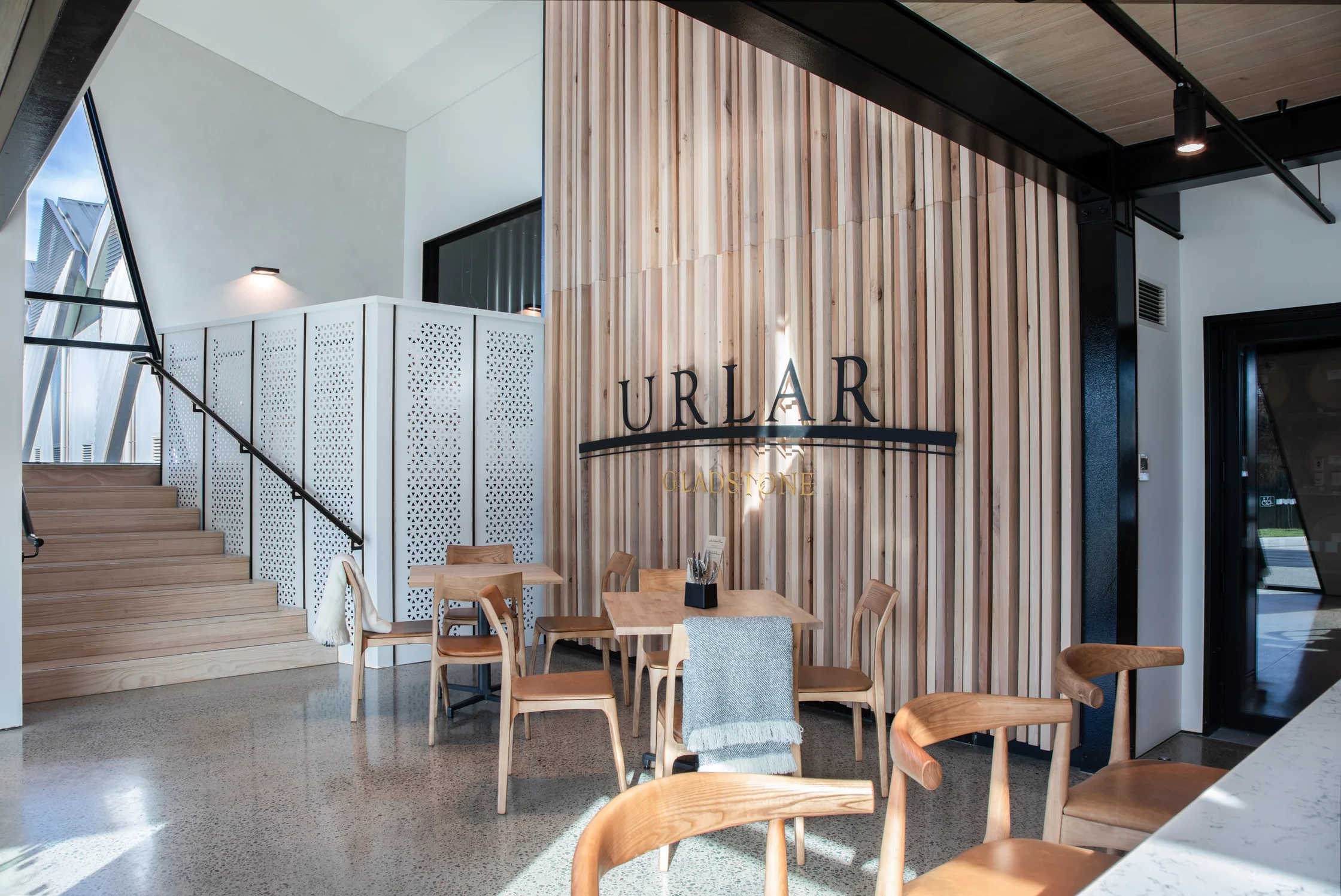
In the end, Wairarapa cellar doors matter because they are where the region becomes understandable. Articles can describe Pinot Noir, subregions, boutique producers, and vineyard atmosphere, but a cellar door makes those ideas real. It is where you taste style instead of merely reading about it. It is where differences between producers become visible. It is where food, conversation, and travel pace either support the wines or work against them. It is where the region stops being abstract.
This is why cellar doors are not just another tourism category inside the Wairarapa story. They are one of the core experiences that define it. A region with over thirty cellar doors and easy access between many of them invites exploration, but it also rewards selectivity. The best visits happen when people slow down enough to let the wines speak clearly and the places keep their individuality. That is the real value of the region’s cellar door culture.
After this article, the strongest next steps are our guides to the Wairarapa wine region, Martinborough wineries, Wairarapa wine tasting, and the Wairarapa wine weekend. Together they turn a simple winery visit into a much more useful and enjoyable regional experience.
FAQ
How many cellar doors are there in Wairarapa?
The region promotes itself as having over 30 cellar doors, with many especially accessible around Martinborough and across the wider Wairarapa wine area.
Do Wairarapa cellar doors require bookings?
Some do and some do not. Many have regular opening hours, but it is always sensible to check ahead, especially on public holidays, in quieter seasons, or if you are travelling with a larger group.
Can you walk or cycle between cellar doors in Wairarapa?
In the Martinborough area, many cellar doors are promoted as being within walking or cycling distance of one another, which is part of the region’s appeal for wine visitors.
What is the best way to plan a cellar door day?
The best plan is usually a realistic mix of a few strong stops, proper food, sensible transport, and enough variation in tasting style that the day stays memorable rather than repetitive.
What should I read after this article?
The best next reads are our guides to the Wairarapa wine region, Martinborough wineries, Wairarapa wine tasting, and Wairarapa wine weekend.