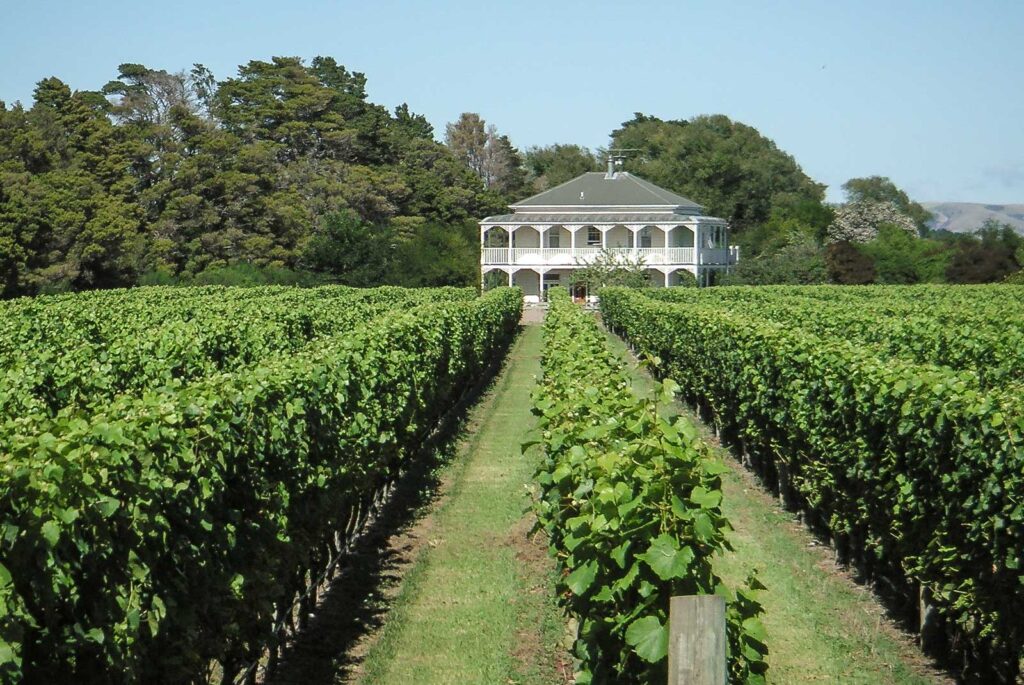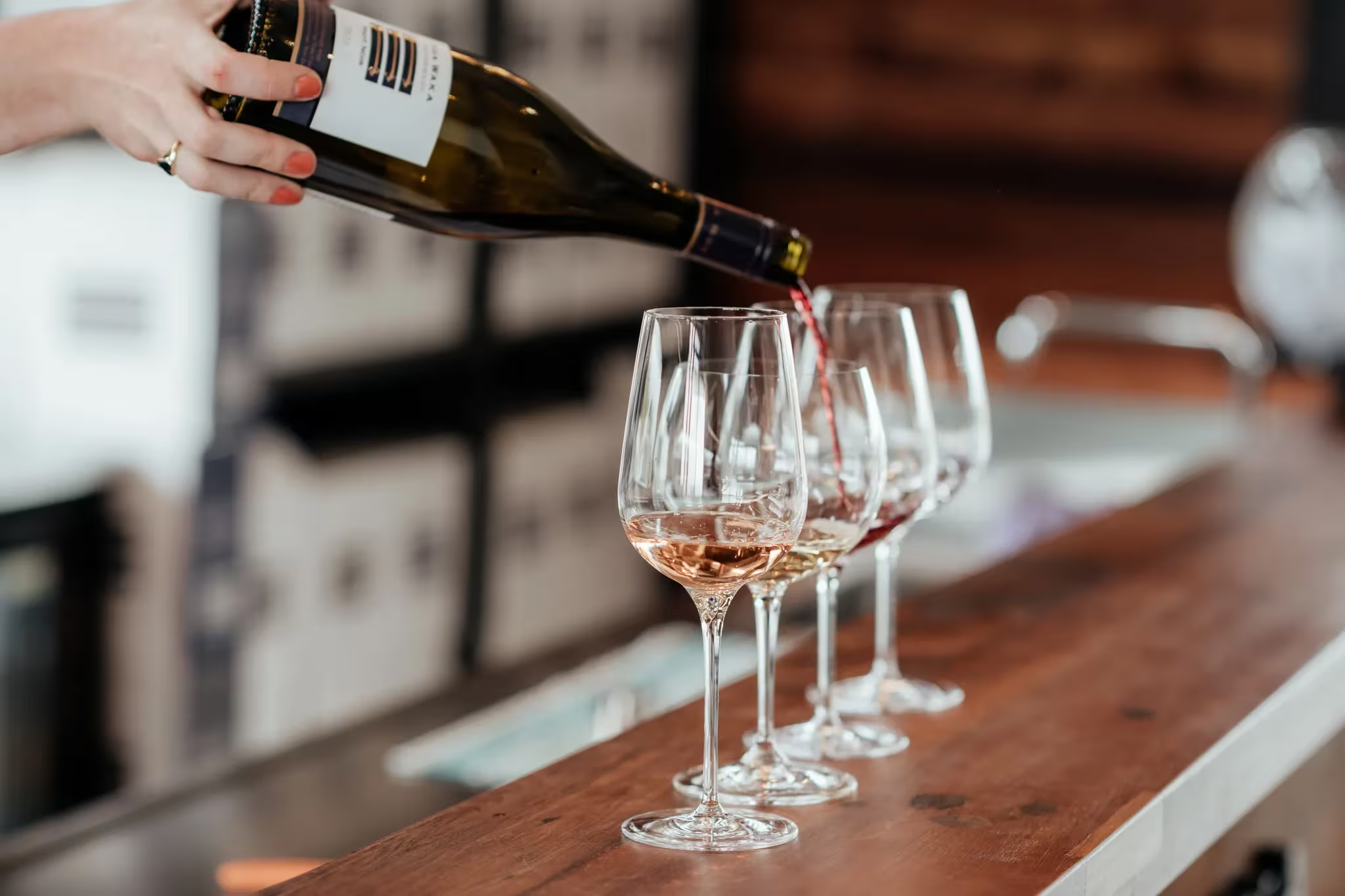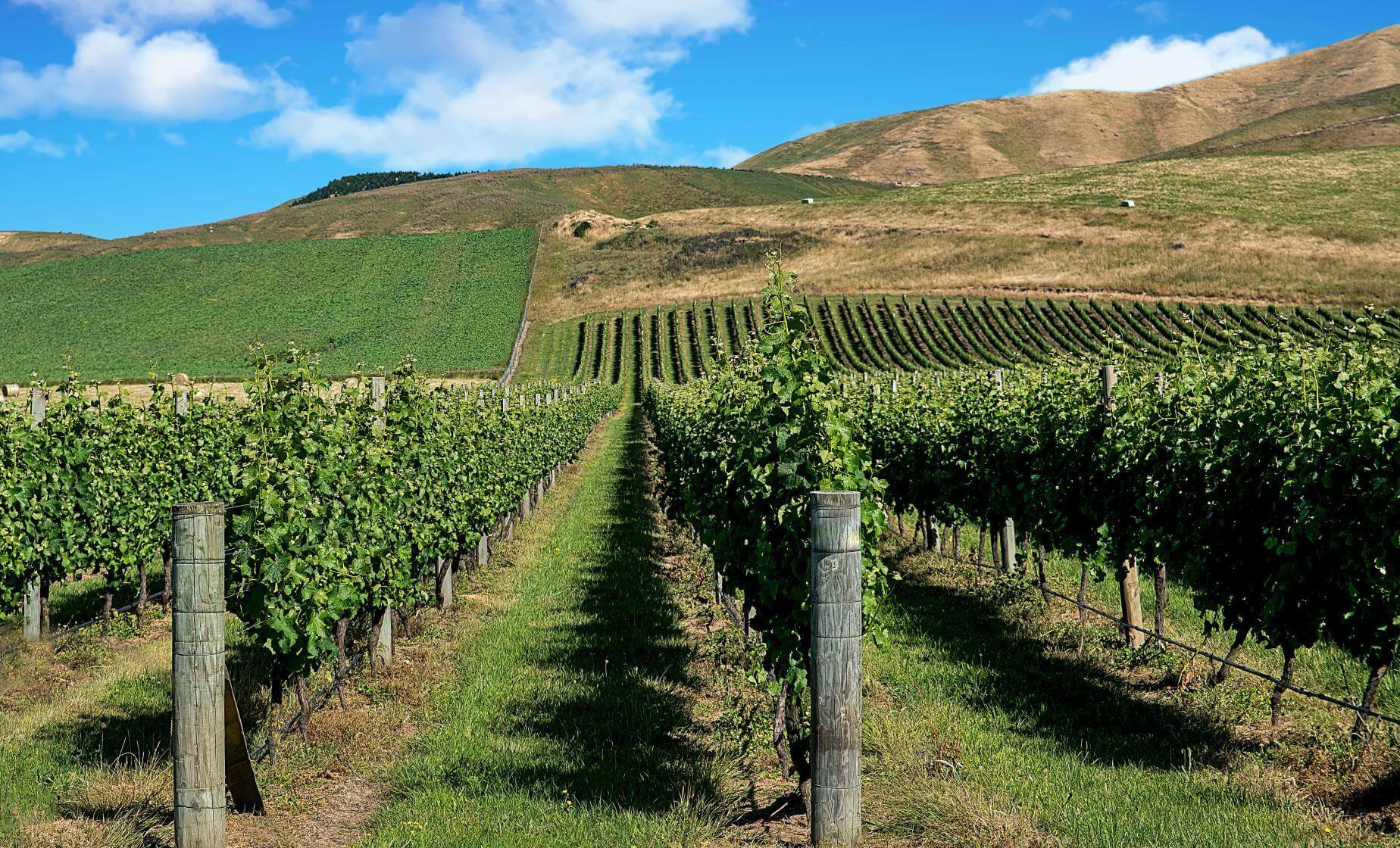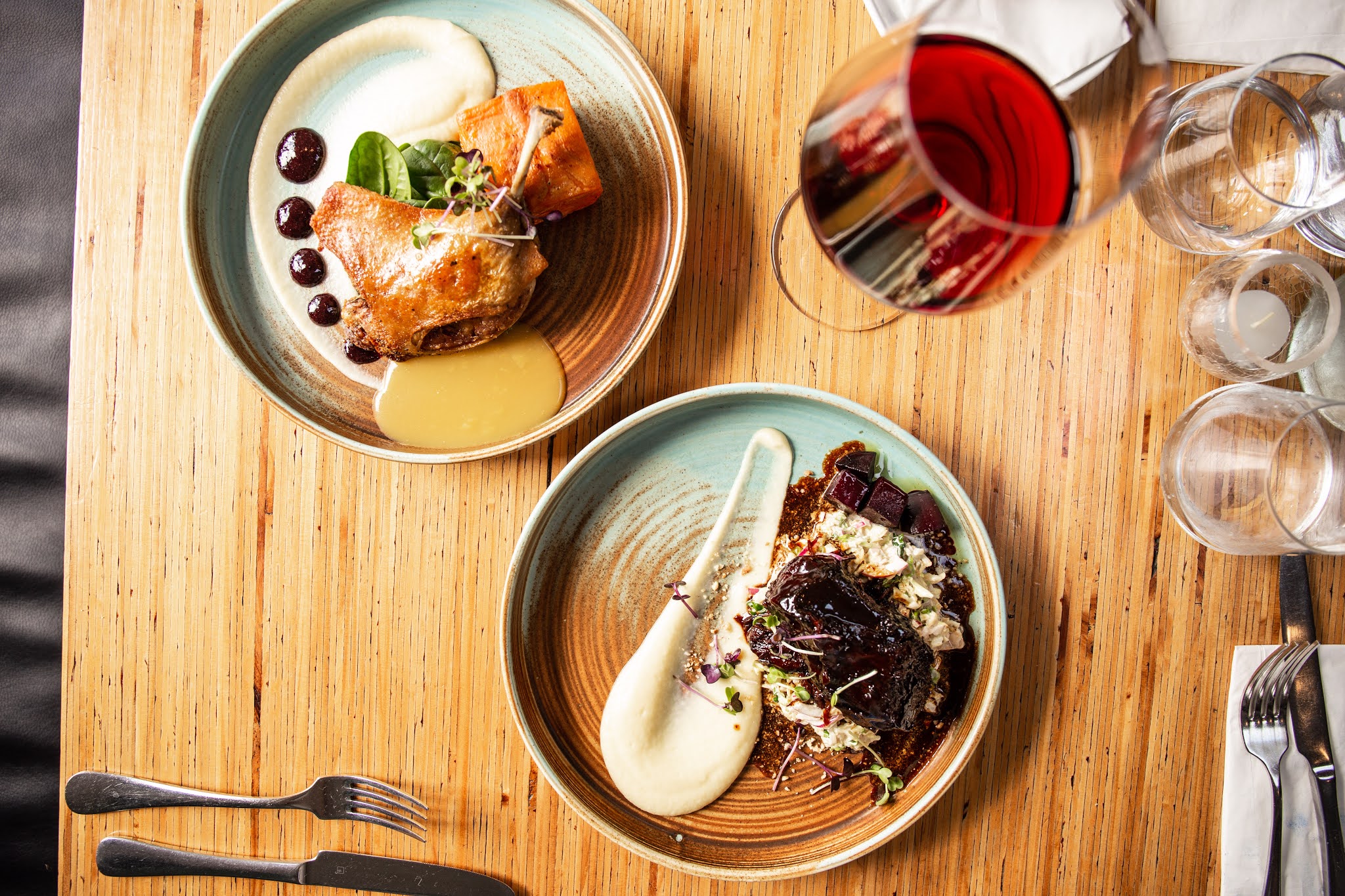
Wairarapa food and wine works best when you treat lunch, snacks, and pacing as part of the tasting plan rather than as interruptions. The region is famous for boutique wineries and cellar doors, but what makes a day truly memorable is how naturally wine fits into a relaxed local rhythm: a thoughtful tasting flight, a well-timed platter, a simple ingredient that suddenly “clicks” with Pinot Noir, and enough breathing room that you remember what you actually enjoyed.
Many visitors arrive focused on Pinot Noir, and that’s a smart starting point, but food is what helps Pinot show its full character. Wairarapa Pinot can feel elegant and savoury on its own, yet become far more complete beside mushrooms, lamb, duck, or a good cheese board. The same is true for Chardonnay and aromatics: they often make more sense at the table than they do in isolation. This guide helps you plan Wairarapa food and wine like a local: pairings that actually work, how vineyard lunches and platters usually operate, where olive oil and deli culture fit in, and how to build a day that stays enjoyable from the first pour to the last.
If you want the regional overview first, start with the Wairarapa wine region guide. If you want a deeper Pinot lens, continue with Pinot Noir pairing notes. For practical pacing and first-time tasting confidence, use tasting-day pacing basics. And if you’re planning meals across two days, the best companion is two-day wine escape plan.
How to Think About Food and Wine in Wairarapa
The simplest pairing strategy is to match weight and mood rather than chase perfect “rules.” Pinot Noir usually loves subtle savoury food rather than heavy spice or thick sweetness. Chardonnay often shines when the dish has texture (butter, roast flavours, creamy elements) without being overly rich. Aromatics can handle spice better, but still prefer balance and freshness. Your goal is not to prove a theory; your goal is to make both the wine and the food taste better together.
Wairarapa also rewards gentle pacing because many cellar doors encourage relaxed visits and platters. A well-timed lunch doesn’t just protect your palate; it often improves your memory. Wine becomes clearer when you are properly fed, and it becomes more enjoyable when the day has a natural rhythm rather than a rushed checklist.
- Match intensity: delicate wines with delicate dishes, structured wines with deeper flavours.
- Use savoury bridges: mushrooms, herbs, roast notes, charcuterie, and cheese often connect wine and food naturally.
- Keep spice gentle with Pinot: avoid heavy heat; choose aromatic herbs instead.
- Plan food early: lunch belongs in the middle of the day, not at the end.
Pinot Noir Pairings That Actually Work
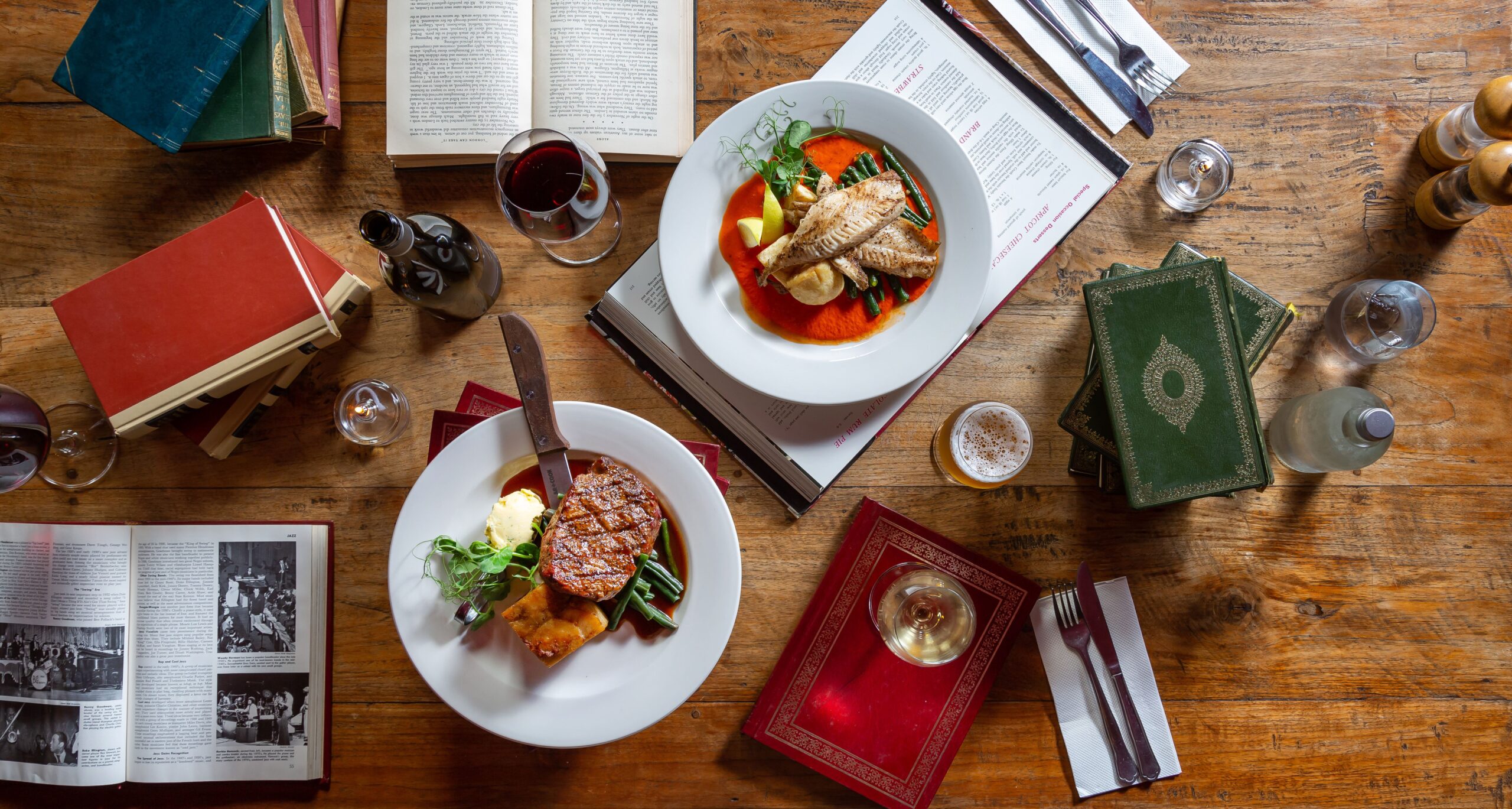
Wairarapa Pinot Noir typically pairs best with foods that are savoury, lightly earthy, and not overly spicy. Mushrooms are a classic because they meet Pinot’s earthy and savoury notes without overpowering the wine. Roast chicken, duck, and lamb also work beautifully because they offer depth while still allowing Pinot’s fragrance and texture to stay visible.
If you want a simple mental model: Pinot loves food that is “quietly confident.” Think roast flavours, herbs, and savoury umami rather than heavy sugar, sticky sauces, or very hot spice. You will usually get the best results from dishes where the main flavours are clear and the wine can interact with them rather than fight them.
Lamb and Pinot Noir
Lamb is a natural match because it has enough savoury depth to complement Pinot’s structure. Keep the seasoning herb-forward rather than chilli-forward, and the pairing usually feels effortless.
Mushrooms and Pinot Noir
Mushroom risotto, roasted mushrooms, mushroom tarts, and grilled portobello-style dishes often bring out Pinot’s earthy side and make the wine feel more complete.
Duck, Roast Chicken, and Savoury Poultry
Duck and roast chicken sit in a sweet spot: enough richness to support Pinot, but still subtle enough that the wine’s detail stays clear.
White Wine Pairings: Chardonnay, Sauvignon Blanc, and Aromatics
A common mistake is to treat Wairarapa as “red wine only.” In reality, a Wairarapa food and wine day often improves when whites are used strategically. Chardonnay can become a food-friendly anchor wine for lunch. Sauvignon Blanc can refresh the palate early in the day and suit lighter plates. Aromatics can be perfect for spiced dishes, salty snacks, and picnic-style eating where freshness matters.
Chardonnay With Lunch
Chardonnay often loves roast flavours, creamy textures, butter, grilled seafood, and chicken dishes. If your winery lunch includes richer elements (cheese, pâté, roast vegetables), Chardonnay can be one of the easiest “table wines” of the day.
Sauvignon Blanc With Bright, Fresh Plates
Sauvignon Blanc often works well with salads, seafood, lighter chicken, and sharper cheeses. It also makes a great “reset wine” between Pinot tastings, especially if your route is becoming red-heavy.
Aromatics for Spice and Snacks
Pinot Gris and Riesling-style wines often handle mild spice and salty snack plates well. They are especially useful if your group has mixed preferences and you want easy, crowd-pleasing pours that still feel regional and thoughtful.
Vineyard Lunches and Platters: What to Expect
Many visitors build the day around a single vineyard lunch or platter stop, and that is usually the smartest move you can make. Platters often come designed for sharing and are paced naturally, which makes them ideal for mid-day recovery. They also allow you to taste wine in the context it was made for: food.
In the Wairarapa, you will often see “platter culture” at cellar doors—cheese, charcuterie, bread, seasonal items, and sometimes optional add-ons. The key planning advice is simple: treat the lunch stop as an anchor, not a side quest. Book if needed, plan your morning so you arrive hungry but not exhausted, and let the meal reset your palate for the afternoon.
Build a Tasting Day That Includes Food on Purpose
A good day feels structured but not rigid. You want enough wine contrast to learn something, enough food to stay sharp, and enough downtime to enjoy the region. If you keep adding stops, you usually reduce enjoyment. If you keep the day spacious, you often remember the wines more clearly and buy more confidently.
- Late morning: one focused tasting to understand the producer’s style.
- Midday: vineyard platter or lunch as a true reset.
- Early afternoon: a second tasting with fresh attention and good questions.
- Late afternoon: one calm final stop or a bottle purchase revisit, not a rushed extra tasting.
Regional Flavours Beyond the Vineyard

Wairarapa’s food identity is not only winery kitchens and platters. The region is also known for local makers and small producers: olive oil, deli goods, preserves, honey, and giftable pantry items that pair naturally with wine at home. For visitors, this is useful because it extends the wine weekend beyond the tasting room. A good bottle of Pinot with local olive oil, cheese, and simple ingredients can recreate the best part of the trip long after you return home.
Even if you are not planning a full gourmet tour, it is worth paying attention to local product culture. It often provides the most “portable” part of a wine trip: things you can take home and actually use, not just photos you forget. This is also why many wine travelers enjoy building a picnic-style stop into the weekend, especially when the weather is good and the route has breathing room.
Common Pairing Mistakes Visitors Make
The most common mistake is over-spicing Pinot Noir. Heavy heat can flatten the wine and make it feel thinner or harsher than it is. Another mistake is choosing overly sweet sauces or sticky glazes that dominate the wine. A third is skipping food entirely and trying to taste through the day on willpower alone, which usually leads to palate fatigue and forgettable impressions.
A final mistake is trying to force “perfect pairings” instead of choosing dishes that fit the day. In a wine weekend, practicality matters. A simple platter with good ingredients can produce a better wine moment than a complicated dish that overwhelms the glass.
FAQ
What is the best food pairing for Wairarapa Pinot Noir?
Mushrooms, lamb, duck, roast chicken, and charcuterie-style platters are among the most reliable pairings because they match Pinot Noir’s savoury depth without overpowering its fragrance and texture.
Do I need to plan lunch in advance?
It is strongly recommended. A mid-day meal keeps the day enjoyable, improves wine memory, and prevents palate fatigue. If the lunch stop is popular, booking ahead is a smart move.
Is Wairarapa good for food-focused wine travel?
Yes. The region is known for inviting cellar doors, food-and-wine events, and a strong local producer culture, which makes it ideal for visitors who want wine travel to include real meals and regional flavours.
What should I read next on this site?
Start with the Wairarapa wine region guide, then use Pinot Noir pairing notes, tasting-day pacing basics, and two-day wine escape plan to build a complete trip plan.