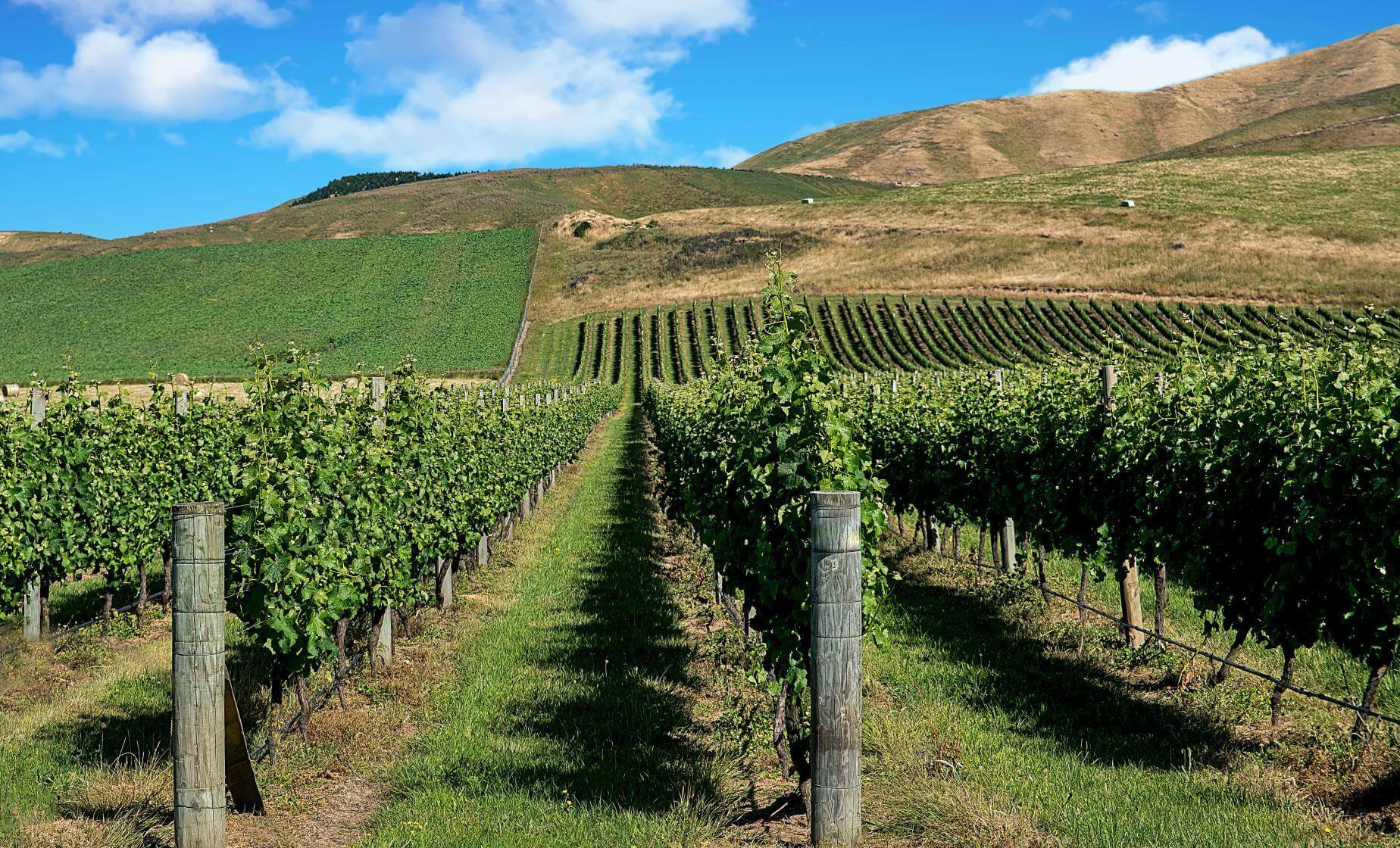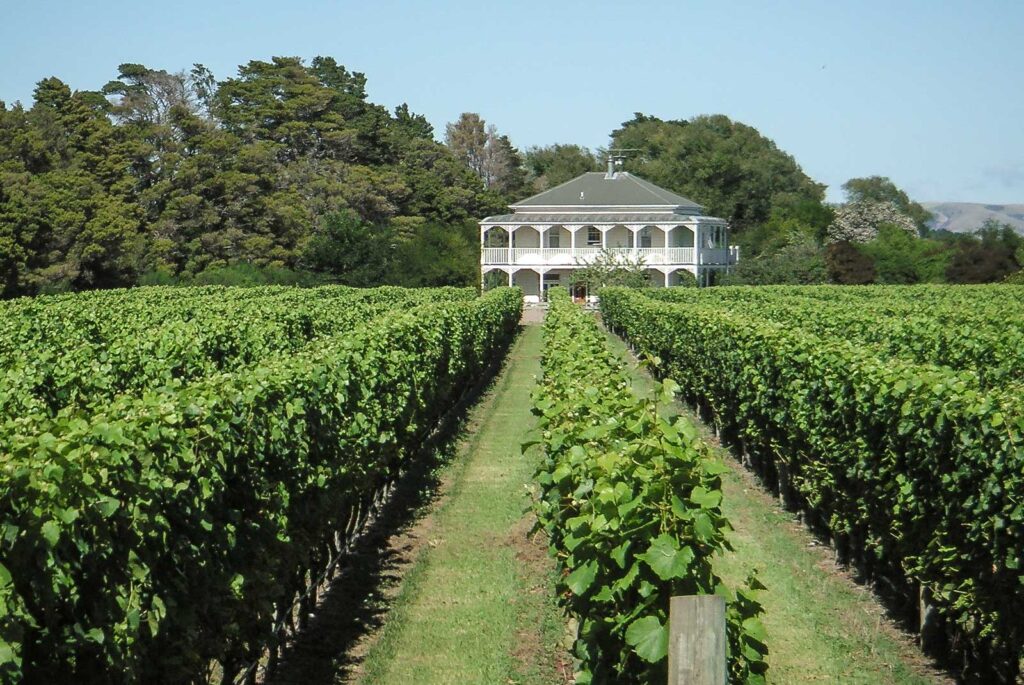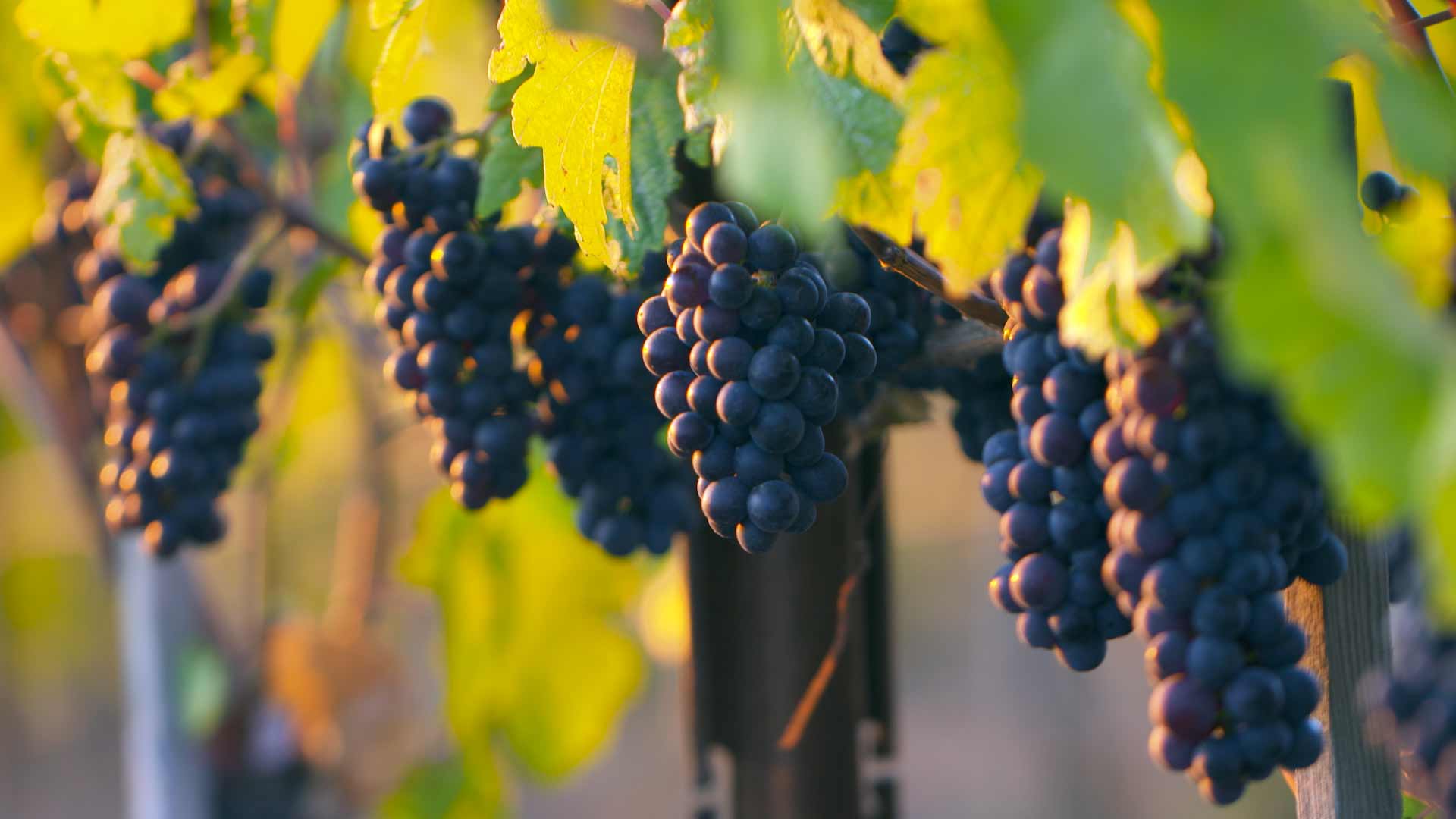
Wairarapa Pinot Noir is one of the clearest reasons wine lovers travel to this part of New Zealand in the first place. Even in a country with several respected Pinot Noir regions, Wairarapa has built a reputation that feels distinctive rather than interchangeable. The wines are often admired not only for quality, but for personality: they can show fragrance, savoury detail, structure, texture, and a sense of calm precision that makes them memorable long after the tasting is over. For many visitors, this is where the region shifts from being “a nice wine destination” to being a place with a serious identity.
That identity matters because Pinot Noir is not an easy grape to fake or flatten. When it works, it reveals site, climate, ripening pattern, and winemaking choices very clearly. When it does not, the result can feel vague, thin, or overly forced. In Wairarapa, the appeal of Pinot Noir comes from the fact that the region gives the grape a convincing home. The best bottles often feel balanced rather than loud. They can be expressive without becoming overripe, savoury without becoming hard, and elegant without losing depth. That combination is exactly why serious drinkers return to the region again and again.
This article is designed for readers who want more than generic praise. It explains why Wairarapa Pinot Noir has become so respected, what the wines usually taste like, how Martinborough and Gladstone can differ in mood and profile, how to read tasting notes more usefully, what foods pair well with the region’s Pinot Noir, and how to think about buying or cellaring bottles. If you want the broader regional context first, go back to our guide to the Wairarapa wine region. If you want to understand the most famous Pinot-focused destination within the area, our article on Martinborough wineries is the natural companion. If you are curious about quieter expressions beyond the best-known village, save our guide to Gladstone wineries. And if you care most about what to eat with these wines, the best follow-up is Wairarapa food and wine.
Why Wairarapa Pinot Noir Has Such a Strong Reputation
The reputation of Wairarapa Pinot Noir rests on more than marketing. The region has become closely associated with the variety because the wines consistently show a combination of complexity, balance, and regional character that stands out even in a strong national context. Pinot Noir is often the bottle that anchors the region’s identity, giving visitors and wine buyers an easy starting point for understanding what Wairarapa does best. Once that association becomes strong enough, it changes the way the whole region is perceived. People no longer ask whether Wairarapa makes good wine. They ask which producers and subregions best express its Pinot Noir.
Part of the reason for this reputation is that the wines often feel serious without becoming heavy. Many drinkers who are drawn to Pinot Noir are looking for detail rather than brute force. They want perfume, line, tannin shape, texture, and savoury complexity rather than simple fruit volume. Wairarapa tends to reward exactly that kind of attention. It can produce wines with concentration, but the best examples usually still feel composed. This sense of control is one of the reasons the region has such strong appeal among people who value elegance as much as intensity.
Another reason the reputation has lasted is that the region has not depended on scale. Wairarapa remains closely tied to boutique producers, and that smaller-scale culture supports a more focused image. Instead of one generic regional style, visitors encounter a set of individual Pinot Noir expressions that still feel connected by a broader regional identity. That is a powerful combination: diversity within recognisable character.
Why Pinot Noir Became the Region’s Signature Wine
Every wine region benefits from a signature grape that gives it a clear public face. In Wairarapa, Pinot Noir has taken that role because it consistently gives the region a compelling story to tell. It reflects site clearly, rewards thoughtful winemaking, and gives visitors something distinct to look for from cellar door to cellar door.
Why Serious Pinot Drinkers Pay Attention to Wairarapa
Wine lovers who focus on Pinot Noir often care about nuance, variation, and site expression. Wairarapa suits that mindset well. The region’s best wines invite comparison and reward slower tasting, which is why they tend to stay in the memory rather than disappear into a blur of similar reds.
What Wairarapa Pinot Noir Usually Tastes Like
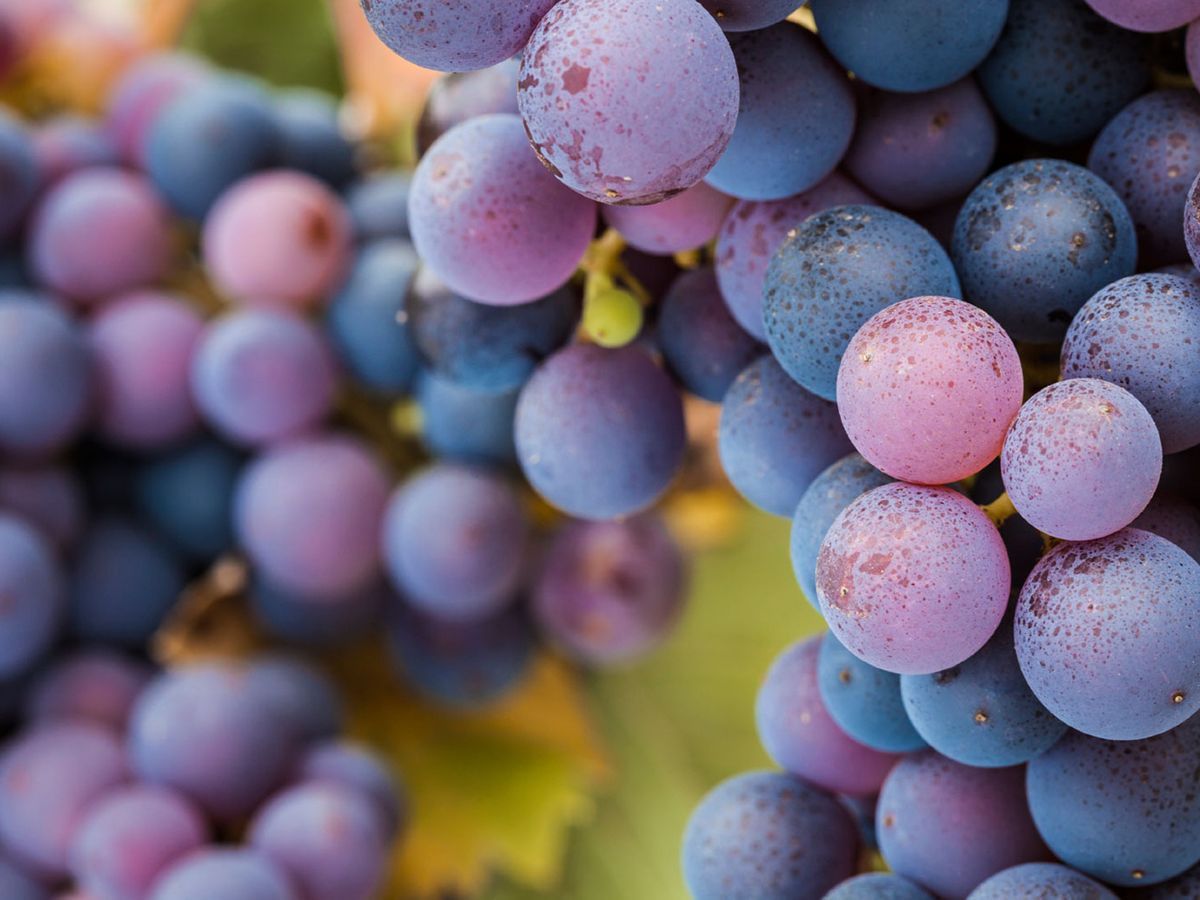
It is always risky to reduce a whole region to one flavour profile, but readers still need a useful starting point. In broad terms, Wairarapa Pinot Noir is often described through a combination of red and dark berry fruit, savoury notes, spice, earthy detail, and a texture that can range from silky to more structured depending on producer and site. The best wines are usually not defined by sweetness or sheer fruit impact alone. Their appeal often comes from the way fruit and savoury elements balance each other.
For many drinkers, the texture is one of the most revealing parts of the experience. A good Wairarapa Pinot Noir often feels shaped rather than soft and loose. Even when it is immediately enjoyable, there is usually some line or structure underneath the perfume. This is part of what makes the wines feel serious. They are not only pleasant in the moment. They often suggest that they were built with care and with a sense of long-term balance.
It is also worth remembering that Wairarapa Pinot Noir can move between generosity and restraint. Some bottles feel fragrant, open, and charming early. Others show a more savoury, earthy, or tightly wound profile that becomes more convincing with air or time. Learning to notice these differences is one of the great pleasures of exploring the region. It turns a simple tasting day into a real comparison of styles.
Fruit Profile
You may notice red cherry, raspberry, plum, or darker berry notes depending on producer and season. The exact expression will vary, but the fruit is often less about jammy volume and more about clarity and shape. This helps the wines stay interesting across a meal rather than becoming tiring after a few sips.
Structure and Texture
Texture matters hugely in Pinot Noir. Wairarapa examples often feel composed, with enough tannin and acidity to give the wine direction. Some are silky and graceful, others more structured and savoury, but the strongest bottles usually avoid feeling either floppy or aggressive.
Earth, Spice, and Savoury Notes
This is the dimension that often turns casual appreciation into real fascination. Good Wairarapa Pinot Noir can show subtle earthy, herbal, spicy, or savoury notes that make the wine feel more layered and more distinctly itself. These notes are often what separate a pleasant Pinot from a memorable one.
Martinborough vs Gladstone: How Subregion Can Shape Pinot Noir
One of the most useful steps in understanding Wairarapa Pinot Noir is recognising that the region is not one uniform tasting zone. Martinborough may be the most famous subregion, but it is not the only place that matters. Gladstone and the wider northern parts of Wairarapa contribute meaningfully to the regional picture, and their wines can help show that Pinot Noir here is a conversation rather than a single voice.
Martinborough is often the first point of reference because it has built such a strong reputation around Pinot Noir. Many visitors associate it with the most iconic expression of the region’s style. This makes sense: Martinborough gives drinkers a very clear entry point into the Wairarapa story and often provides the benchmark against which other local wines are measured. If you want to understand the village and producer side of that reputation more fully, our guide to Martinborough producer guide is the best next read.
Gladstone, by contrast, can broaden the conversation. It often appeals to readers and visitors who want to understand how the region changes beyond its best-known name. Pinot Noir from Gladstone may still sit comfortably within the Wairarapa family, but exploring it helps reveal that subregional nuance matters. This is one of the reasons a multi-stop regional trip is so rewarding. You do not just taste “Wairarapa Pinot Noir.” You taste how the idea of Wairarapa Pinot Noir stretches and adjusts across different places. If that quieter, broader side interests you, save our article on the northern subregion wine profile.
Martinborough Style Cues
Martinborough often acts as the most recognisable expression of Wairarapa Pinot Noir. Many drinkers look here for wines that feel refined, layered, savoury, and built with a strong sense of identity. It is the subregion that most often anchors the area’s reputation.
Gladstone Style Cues
Gladstone is useful because it adds dimension to the regional conversation. Tasting Pinot Noir from this subregion can help readers understand that Wairarapa is not only a one-village story. The wines can still carry elegance and complexity while broadening your picture of what the region can offer.
How to Read Tasting Notes Without Overcomplicating Them
Many readers are interested in Wairarapa Pinot Noir but feel put off by tasting-note language. That is understandable. Wine notes can become cluttered, repetitive, or overly performative very quickly. The good news is that you do not need a huge vocabulary to understand Pinot Noir well. In fact, a smaller, sharper set of observations is often more useful than a long list of impressions that you will never remember later.
Start with four simple questions. First, does the wine feel more red-fruited or darker in tone? Second, does it feel more perfumed or more savoury? Third, is the texture silky, fine, or more structured? Fourth, does the finish feel light, medium, or persistent? Those questions give you a framework that actually helps in real tasting situations, whether you are at a cellar door, comparing bottles at home, or trying to decide what to order with food.
The real value of tasting notes is not sounding clever. It is noticing differences. Once you realise that, Pinot Noir becomes much easier to enjoy. A useful note is one that helps you remember why one producer appealed to you more than another. That memory is much more valuable than memorising ten fancy descriptors that all blur together a week later.
Use Contrast, Not Complexity
You will usually learn more by comparing one wine to another than by trying to describe one bottle in isolation. Ask yourself whether a wine feels brighter, darker, softer, firmer, more floral, or more savoury than the last one. These contrasts are the building blocks of real wine understanding.
Notice Structure, Not Just Aroma
Pinot Noir can be seductive aromatically, but structure is often where the deeper differences appear. Pay attention to shape, tannin feel, and the way the wine moves across the palate. This is often what separates a charming wine from a truly convincing one.
What Foods Pair Best With Wairarapa Pinot Noir
Wairarapa Pinot Noir is one of those wines that becomes even more convincing with the right food. A bottle that feels elegant and interesting on its own can suddenly feel complete once it meets a well-matched dish. This is one reason the region works so well as a travel destination rather than only as a buying category. When you taste Pinot Noir in the context of local food, you begin to understand not just the wine, but the lifestyle logic around it.
As a general rule, Wairarapa Pinot Noir pairs best with foods that respect its balance rather than crush it. You want dishes with enough savoury depth to meet the wine’s earth and spice, but not so much weight that the wine disappears. This is why the classic matches work so well: lamb, duck, game birds, mushroom dishes, earthy vegetable preparations, charcuterie, and many cheeses. The exact pairing depends on whether the wine leans more fragrant and delicate or more structured and savoury, but the overall principle remains the same.
This is also where food becomes a useful lens for understanding style. A more lifted, floral Pinot may shine with a lighter dish, while a more structured bottle may want something richer and more autumnal. When you start thinking this way, wine pairing becomes less about fixed rules and more about matching energy, weight, and mood. If you want that side of the region explored more fully, continue with our guide to food pairings for local pinot.
Lamb and Game
These are classic matches because they speak naturally to Pinot Noir’s savoury side. The wine has enough detail and freshness to keep the pairing lively, while the dish brings enough depth to make the wine feel broader and more complete.
Mushroom Dishes
Mushrooms often bring out the earthy and subtle savoury dimensions of Pinot Noir beautifully. This pairing is especially good for drinkers who enjoy the more nuanced, less fruit-dominant side of the grape.
Charcuterie and Local Cheese
For a relaxed lunch or tasting-room platter, this is one of the easiest and most effective pairing directions. It allows the wine to stay central while still giving enough salt, fat, and texture to make each sip more expressive.
When to Buy, Cellar, or Drink Pinot Noir Sooner
One of the common questions people ask after a winery visit is whether a bottle should be opened soon or saved. The answer depends on the style of the wine, the producer’s approach, the vintage, and your own taste. Some Wairarapa Pinot Noir bottles are made to be charming relatively early, with fragrance and approachability as part of their appeal. Others are built with enough structure that a little patience can reveal more complexity and harmony.
A useful rule is to ask whether the wine already feels open and resolved or whether it seems tightly wound, especially on the finish. If the fruit is expressive and the texture already feels balanced, the wine may be very enjoyable in the near term. If the tannin feels firmer, the savoury side is more dominant, or the finish feels compact, a bit of cellaring might reward you. That said, Pinot Noir does not always need long ageing to be valuable. A beautifully balanced young wine can be one of the great pleasures of the region.
For many visitors, the smartest approach is to buy a mix. Take one bottle to enjoy soon, and one or two to revisit later if you have suitable storage. This makes the trip more educational because it turns a single tasting-day impression into a longer relationship with the wines themselves.
Good Reasons to Drink Young
If a Pinot already shows perfume, balance, and open texture, there is no reason to force patience on it just for the sake of sounding serious. One of the joys of the region is that many bottles can be genuinely rewarding without extended cellaring.
Good Reasons to Wait
If the wine feels compact, more savoury than expressive, or obviously structured, some time may allow the flavours and texture to integrate more fully. The reward can be a more layered and more graceful bottle later on.
How to Get More Out of Tasting Wairarapa Pinot Noir
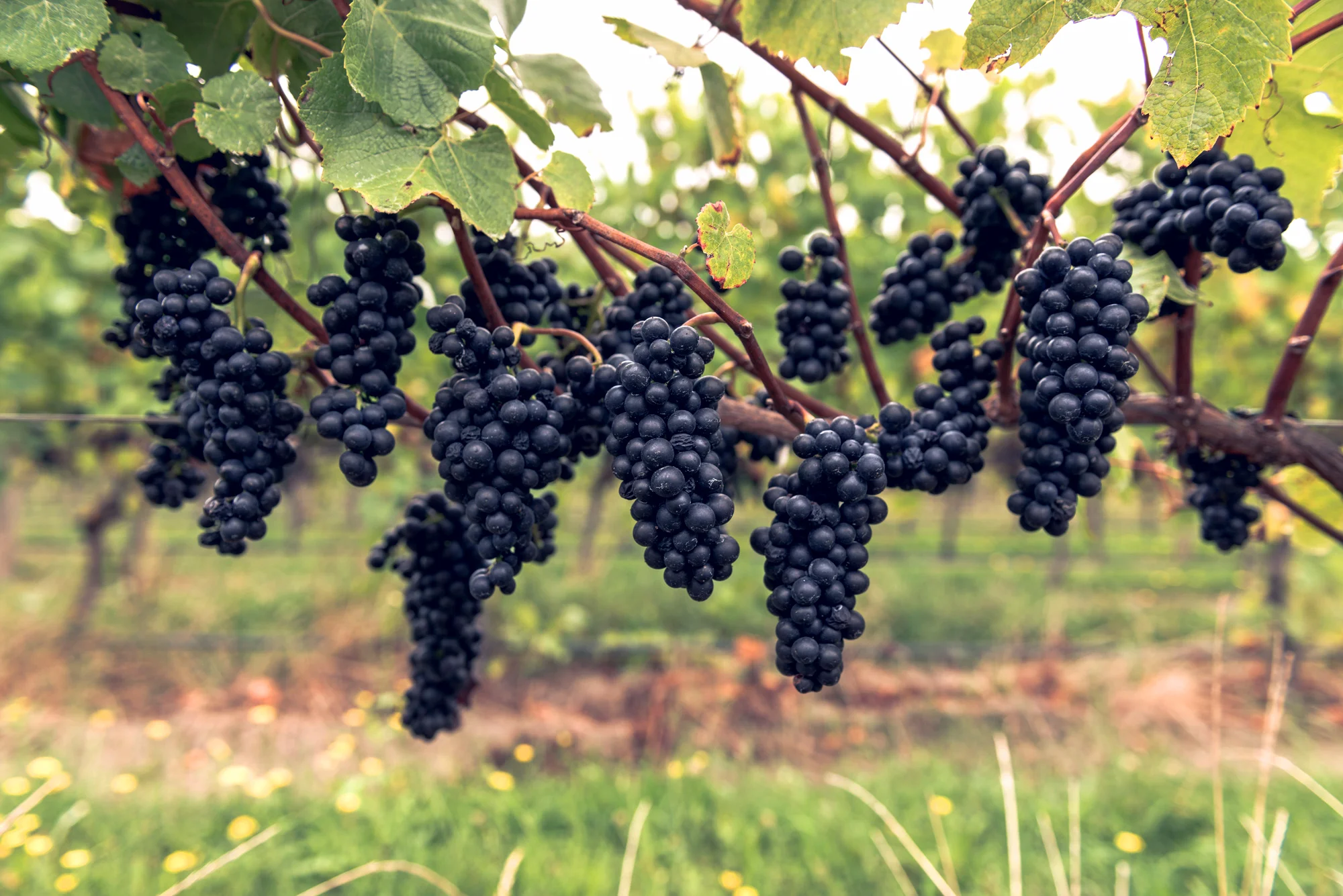
The best way to understand Wairarapa Pinot Noir is not to chase the single “best” bottle immediately. It is to compare thoughtfully. Taste one or two wines from Martinborough, then if possible compare them with a wine from Gladstone or another part of the wider region. Notice whether one feels more lifted, another more savoury, another more structural, another more immediately charming. This is how the region becomes real in your palate instead of staying a vague reputation.
It also helps to taste with enough time and food around the experience. Pinot Noir is not the best grape for rushed impressions. It often becomes more revealing with air, with the second sip, or when tasted beside food. Visitors who try to compress too much into one day often end up understanding the wines less, not more. A slower route usually leads to better memory and better buying decisions.
Most of all, treat the wines as part of a region rather than as isolated luxury products. Wairarapa Pinot Noir makes the most sense when it is connected to place, subregion, tasting rhythm, food, and conversation. That is what turns a bottle from “good” into meaningful.
FAQ
What is Wairarapa Pinot Noir known for?
Wairarapa Pinot Noir is known for quality, regional character, and a style that often combines fragrance, savoury detail, structure, and elegance rather than simple fruit intensity.
Is Martinborough the same as Wairarapa Pinot Noir?
No. Martinborough is the most famous Pinot-focused subregion within Wairarapa, but the wider region also includes places such as Gladstone and other northern areas that contribute meaningfully to the Pinot Noir story.
What foods pair best with Wairarapa Pinot Noir?
Lamb, duck, game, mushroom dishes, charcuterie, and many cheeses pair very well because they match Pinot Noir’s balance of fruit, savoury character, and structure.
Should Wairarapa Pinot Noir be cellared?
Some bottles benefit from time, while others are excellent young. It depends on producer style, vintage, structure, and your own preference for open fruit versus more developed savoury complexity.
What should I read after this article?
The best next reads are our guides to the Wairarapa wine region, Martinborough wineries, Gladstone wineries, and Wairarapa food and wine.