Wairarapa wine tasting is one of the easiest ways to enjoy New Zealand wine culture without feeling pushed into a large-scale tourism experience. The region is known for its boutique wineries, approachable cellar doors, and strong sense of place, which makes it especially good for people who want to understand wine in a more relaxed and personal setting. You do not need to arrive as an expert. In fact, Wairarapa often works best for visitors who are curious, open-minded, and willing to slow down enough to actually notice the wines in front of them.
That matters because wine tasting is often presented the wrong way. Many beginners assume they need advanced vocabulary, a polished tasting technique, or a deep knowledge of grape varieties before they can enjoy a cellar door visit properly. The truth is much simpler. A good tasting day is not about sounding clever. It is about asking useful questions, pacing yourself well, choosing a realistic number of wineries, and learning how to tell the difference between a wine you admire and a wine you would genuinely want to drink again. Once you understand that, Wairarapa wine tasting becomes far more enjoyable and far less intimidating.
The Wairarapa is especially well suited to this kind of learning because the region rewards attention rather than speed. A tasting here can feel more conversational than transactional. You notice not only the wines, but also the shape of the day: how a white wine resets your palate after a Pinot Noir flight, how lunch changes your energy, how one producer’s style differs from another, and how the atmosphere of a tasting room affects what you remember. These things matter much more than beginners are usually told, and they often determine whether the day feels blurry or genuinely worthwhile.
This guide is designed to help readers taste with more confidence and more enjoyment. It explains how wine tasting works in Wairarapa, what to do before you arrive, how to approach the tasting itself, what seasonal factors matter, how to combine wine with food, and which common mistakes are easiest to avoid. If you want the broad regional picture first, start with our homepage guide to the Wairarapa wine region. If your main focus is winery visits and tasting-room style, our article on Wairarapa cellar doors is the best companion. If you are planning around weather, harvest mood, and travel timing, save our guide to the best time to visit Wairarapa wine region. And if you want to think ahead to meals and pairing choices, continue later with lunch and pairing inspiration.
How Wine Tasting Works in the Wairarapa for First-Time Visitors
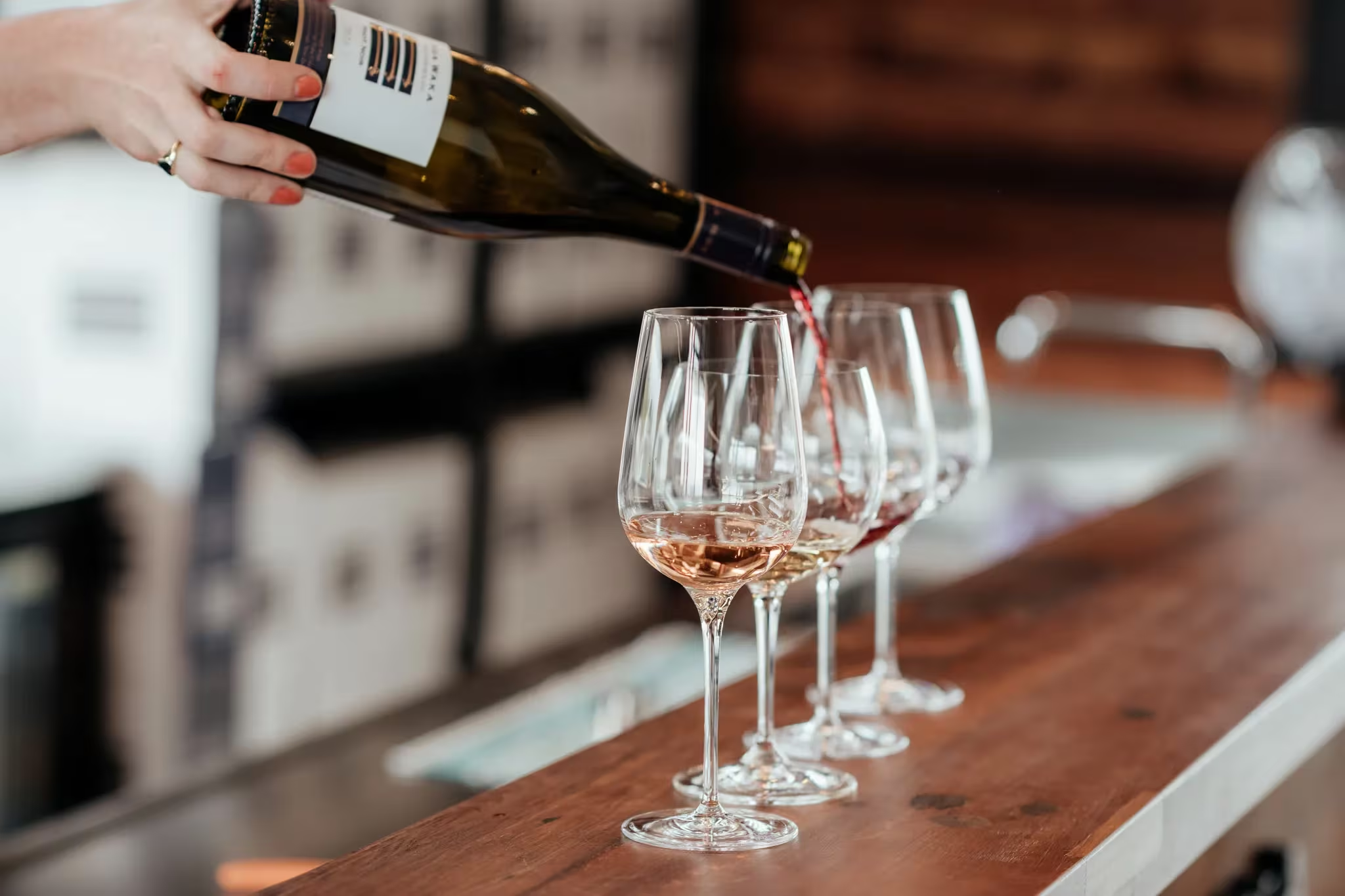
The basic structure of Wairarapa wine tasting is simple, but the experience becomes much better when you know what to expect. In most cellar doors, you will be guided through a short selection of wines chosen by the producer or tasting-room team. The order usually makes sense: lighter wines first, heavier wines later, with red wines often following the whites. This sequence is not there to sound formal. It exists because your palate is easier to read that way. A crisp white can quickly disappear if you taste it after a firmer red, and a delicate Pinot Noir can lose subtlety if your palate is already tired.
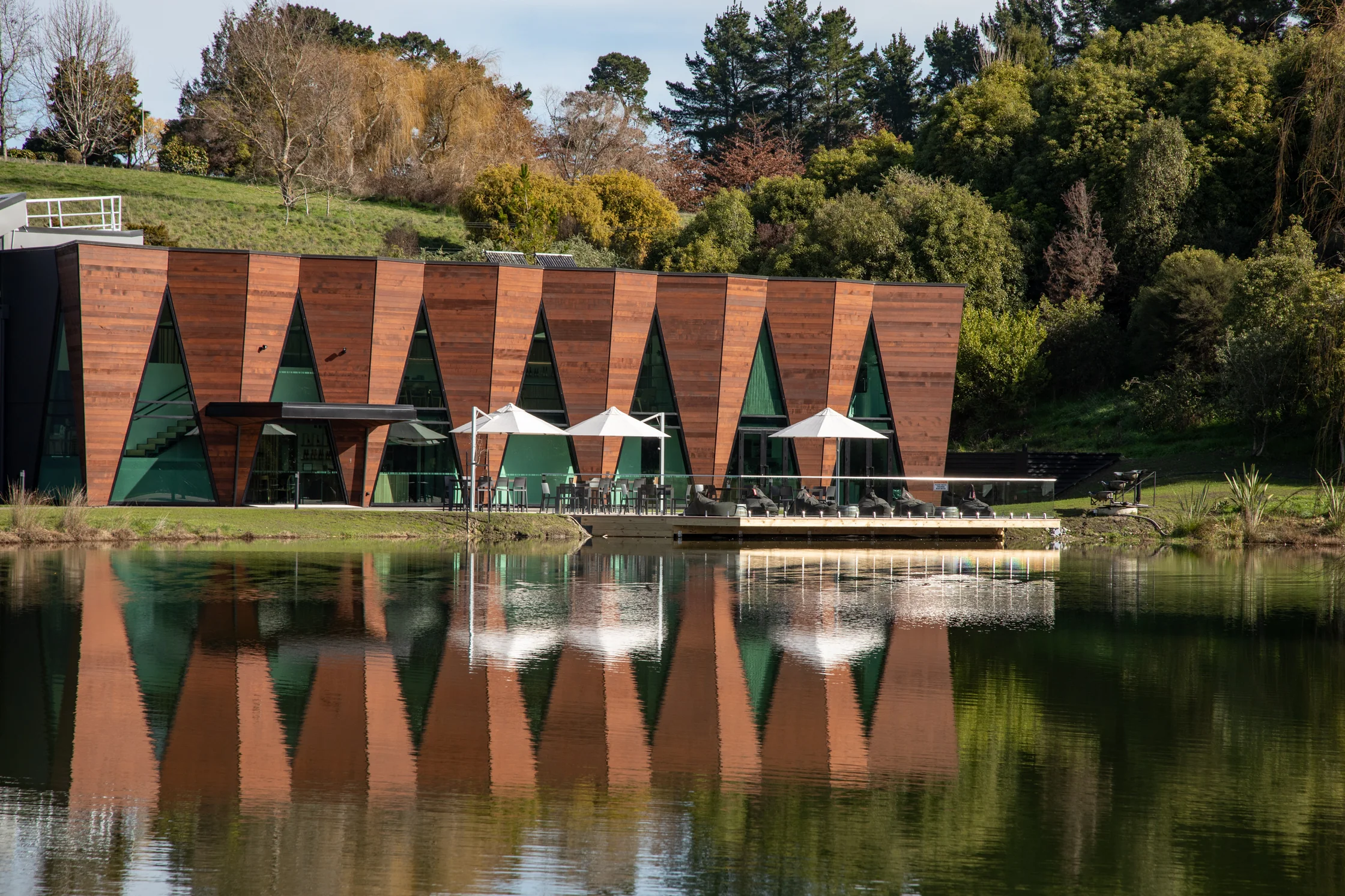
What makes Wairarapa especially approachable is that tasting rooms often feel smaller and more personal than those in larger wine tourism regions. That means visitors often have more room to ask questions and more chance to notice differences between wines without feeling rushed through a generic script. Some visits are quick and informal, while others are more guided or seated, but the underlying idea remains the same: a tasting is an introduction to the producer’s style, not a test of your expertise.
For beginners, one of the most useful mindset changes is this: you do not need to understand everything immediately. Your first task is simply to notice. Which wines feel fresher? Which feel more textured? Which seem easiest to imagine with food? Which producer’s style feels most natural to you? Once you start from there, wine tasting becomes much less about performance and much more about building your own memory of the region.
What a Tasting Usually Includes
A typical visit may include a short lineup of current-release wines, a brief introduction to the producer, and some room for questions or discussion. Some cellar doors may also offer more premium pours, food options, or a more detailed explanation of the vineyard and vintage. None of this needs to feel intimidating if you treat it as part of learning the region rather than proving anything.
Why the Order of Wines Matters
Even first-time tasters benefit from a sensible tasting order. Light to fuller-bodied wines is not a rule invented to sound serious. It simply helps the palate stay clear. Once you understand that, you begin to notice that tasting structure is there to make wine easier to understand, not harder.
What to Do Before Your First Tasting Stop
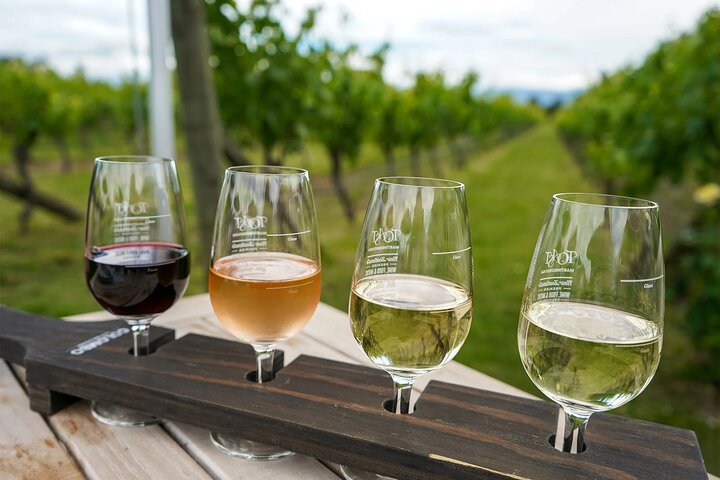
A good tasting day usually begins before the first glass is poured. This is where many visitors accidentally make the day harder than it needs to be. They set off without checking opening hours, they assume every cellar door will be operating in the same way, they forget to build in proper food, or they plan too many stops because the region looks manageable on a map. All of these mistakes are common, and all of them reduce the quality of the experience.
The simplest preparation is to decide what kind of day you are aiming for. Do you want a broad introduction to the region? A Martinborough-focused tasting route? A slower lunch-centered outing? A more educational day with fewer but deeper stops? Once you know that, every other decision gets easier. You can choose the right number of wineries, think about bookings, and decide whether your group prefers flexible walk-in tasting rooms or a more structured plan.
Food and transport should also be decided early, not halfway through the afternoon. Wine tasting always works better when the practical side is already under control. A sensible plan around meals, water, timing, and responsible transport makes the wines more enjoyable because your attention stays where it belongs. If you want a fuller framework around the winery-visit side of the day, our guide to cellar door shortlist builds exactly on this preparation stage.
Booking and Opening Hours
Some cellar doors welcome walk-ins easily, while others are more appointment-friendly, more seasonal, or more limited on public holidays and quieter weekdays. A quick check before you leave prevents disappointment and keeps the day flowing more smoothly.
Transport and Safety
Whether you are self-driving with a designated driver, cycling, walking selected routes, or arranging local transport, the wine day will always feel better when travel decisions are settled in advance. Good planning here does not reduce spontaneity. It protects it.
Choosing a Realistic Number of Visits
Beginners often assume more stops means more value. Usually the opposite is true. Three or four well-chosen tastings with food and water are often far more useful than an overloaded route where every cellar door starts to feel the same. The goal is memory, not quantity.
How to Taste Wine Without Feeling Intimidated
The easiest way to feel less intimidated by Wairarapa wine tasting is to stop trying to translate every sip into complicated language. You do not need to identify ten aromas or describe tannins in a theatrical way. Start with simple observations that you can trust. Does the wine feel fresh or broad? Light or more structured? Fruity or savoury? Easy to imagine with lunch or more serious on its own? These questions are practical, and they lead you toward real preferences instead of forced performance.
It also helps to understand that tasting is partly comparative. The first wine teaches you very little on its own. The second and third help you notice contrast. One may feel brighter, another rounder, another more floral, another more earthy. This is why a tasting lineup is useful even for people who do not think of themselves as wine enthusiasts. It teaches by comparison. Once you start noticing relative differences, you are already doing the most important part of tasting well.
Another good rule is to give yourself permission not to like everything. A tasting is not a loyalty oath to the producer. It is a chance to understand style. Some wines may be admirable without fitting your own taste. Others may feel immediately right even if they are not the most expensive or most discussed bottle in the lineup. That distinction is one of the most useful things a beginner can learn.
Looking, Smelling, Tasting
You do not need a ritual, but it helps to slow down briefly. Look at the wine, smell it before sipping, then take enough time to notice how it feels rather than just swallowing instantly. Those extra seconds often make the difference between “I tasted some wine” and “I actually remember what was in the glass.”
How to Describe a Wine Simply
Simple language is usually best. You can say a wine feels crisp, soft, spicy, juicy, savoury, bright, textured, light, or fuller without sounding underqualified. If the description helps you remember the wine later, it is already doing its job.
When to Spit and When to Slow Down
Spitting is a practical tool, not a sign of disrespect. If you are visiting multiple wineries, it can help you stay sharp. At the same time, slowing down often matters just as much. A tasting route becomes easier when you give each wine enough time to register instead of trying to move through everything at speed.
Seasonal Factors That Affect the Tasting Experience
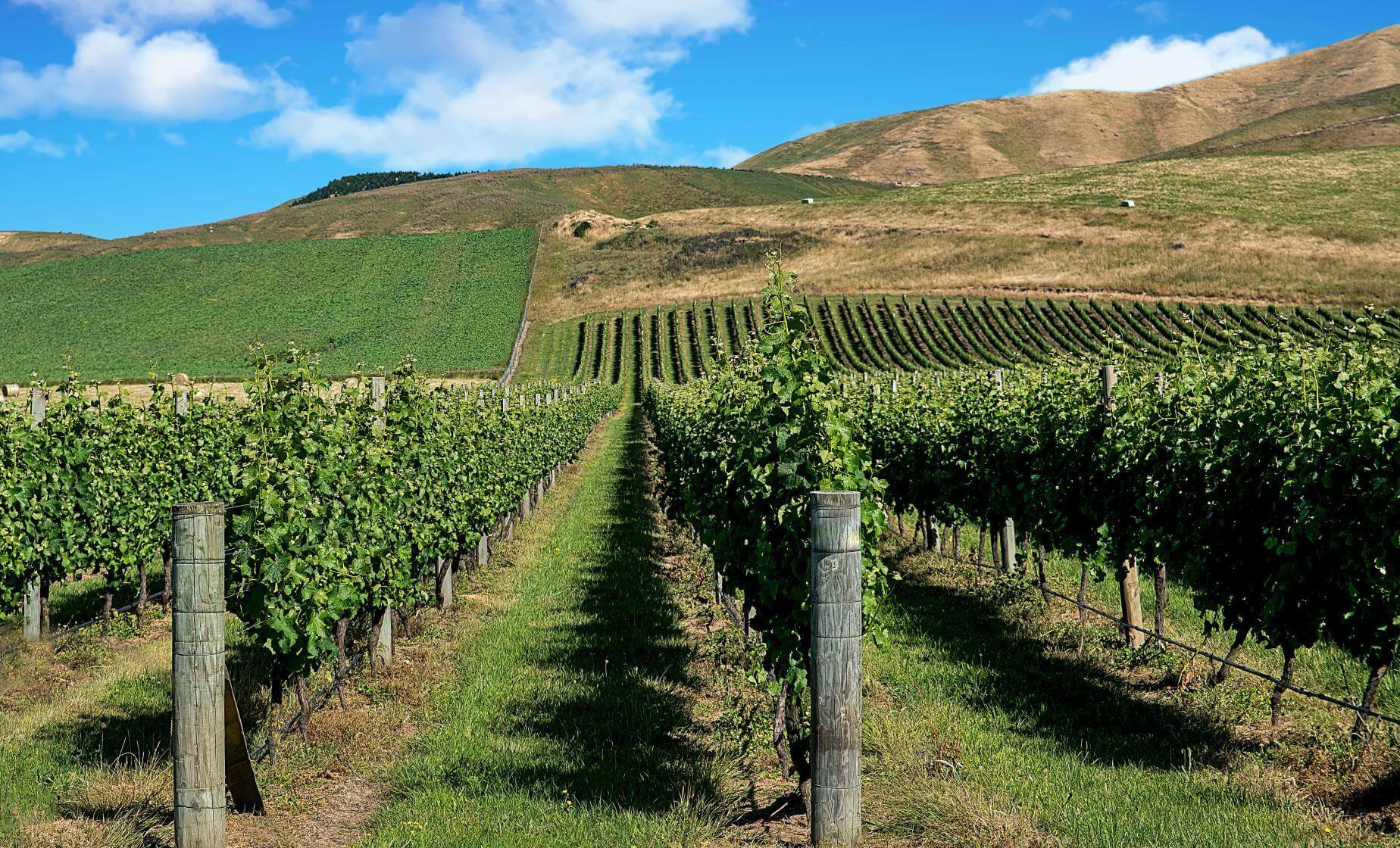
The season shapes Wairarapa wine tasting more than many beginners expect. The wines may still be central, but the atmosphere of the day can change dramatically depending on the time of year. A quieter season can make the region feel more spacious and reflective. A harvest-period visit may bring more energy, more visible vineyard activity, and a stronger sense of the wine year in motion. Warmer months can make outdoor tasting and relaxed lunches especially appealing, while cooler periods can make slower, more intimate cellar door experiences feel even more attractive.
This matters because the “best” tasting day depends partly on your own travel style. Some visitors want a lively atmosphere with more visible movement around the region. Others want a calmer trip with fewer people and more room to ask questions. Neither preference is wrong, but they lead to different ideal moments to visit. Understanding this can improve the whole day before you even choose your first winery.
Season also affects practical planning. Busier periods may need more advance booking, while quieter times can allow more flexibility. Weather changes what kind of route feels comfortable, how long you want to stay outside, and whether lunch is better built around a scenic stop or a more sheltered one. If you want to plan this side of the trip more carefully, our guide to the seasonal travel timing advice goes much deeper into the rhythm of the year.
Why Harvest Atmosphere Changes the Feel of a Visit
Harvest brings a different emotional energy to wine country. Even if the tasting room format stays the same, the surrounding sense of work, vintage, and time sensitivity can make the region feel more alive and more obviously connected to the vineyard cycle.
Why Quiet Seasons Can Be Better for Beginners
Beginners often enjoy quieter periods because the pace can feel less pressured. There is usually more room to ask questions, more time to talk through a wine, and less temptation to turn the day into a packed itinerary.
How to Combine Tastings With Lunch, Cheese, or a Slow Afternoon Stop
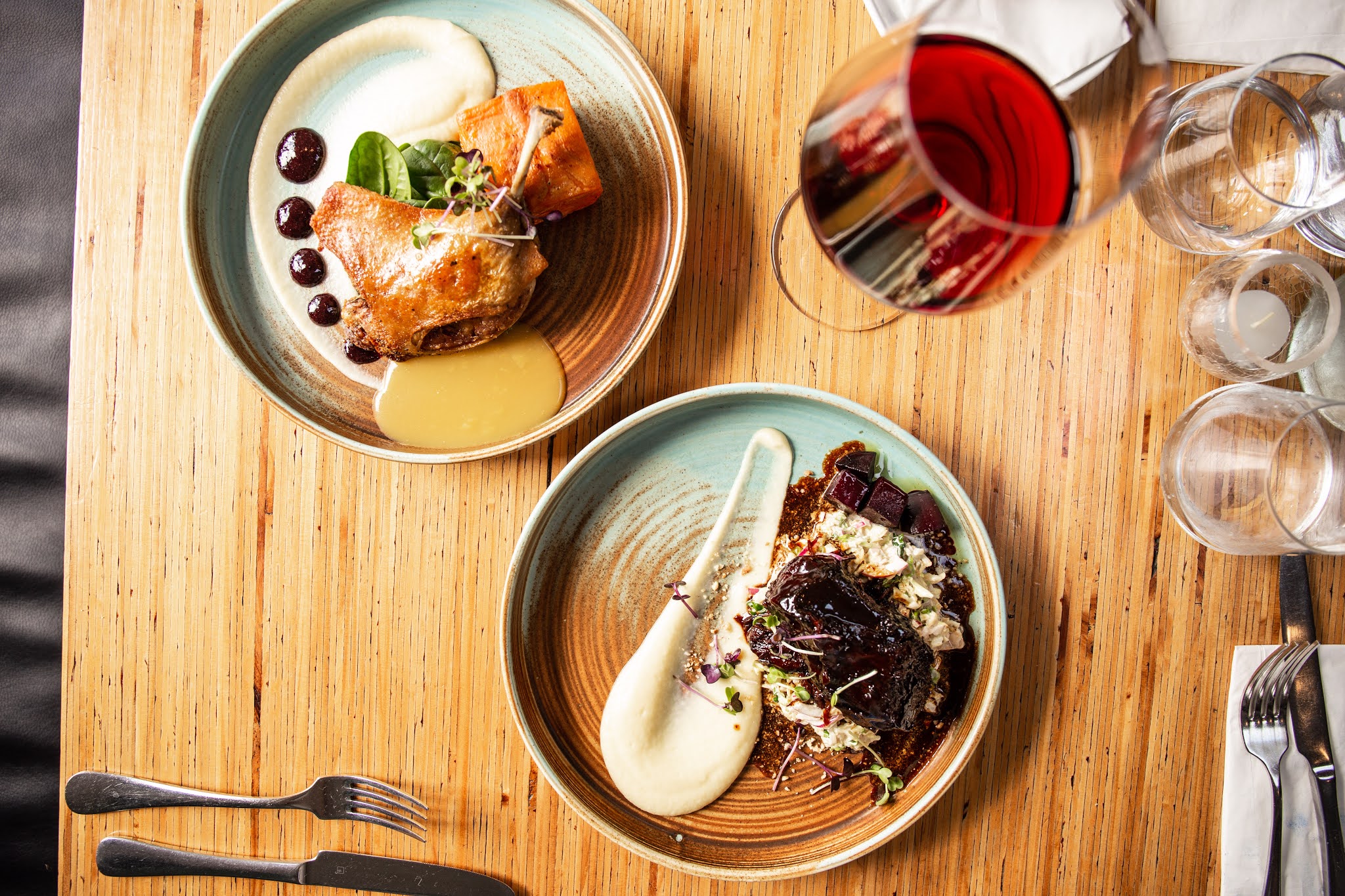
One of the most important truths about Wairarapa wine tasting is that food is not a side issue. It is part of the structure of a good day. Wine tastes clearer when you are properly fed, and your palate stays more useful when lunch is placed intelligently in the middle of the route instead of being delayed too long. Food also changes how you understand the wines. A Pinot Noir that seemed merely elegant on its own may suddenly feel complete with mushrooms, lamb, charcuterie, or local cheese. A Chardonnay can become much more expressive when it meets the right meal.
This is why a good tasting itinerary often includes a lunch stop that acts as a reset. It slows the day, restores energy, and makes the later tastings more memorable. Even a simple cheese board or shared platter can improve the rhythm enormously. Visitors who skip this step often think they are saving time, but they are usually making the second half of the day harder to enjoy.
The slower-afternoon approach is especially useful in Wairarapa because the region rewards ease rather than rush. After one or two stronger tasting stops and a good lunch, a calmer final winery can often be more valuable than trying to fit in one more rapid comparison. If you want more pairing-focused thinking around this part of the trip, continue with our guide to where to eat with local wines.
Lunch as a Reset Point
The middle of the day is often where tasting quality either holds together or starts to decline. A proper lunch resets the experience. It improves your concentration, your energy, and often your buying decisions as well.
Cheese Boards and Shared Plates
These can be ideal in a wine region because they let the wines stay central while still giving enough food structure to support the tasting. They are especially useful if your group wants something relaxed rather than a long formal meal.
Why a Slow Final Stop Often Works Best
By late afternoon, many visitors no longer need another highly analytical tasting. They need one final stop that feels welcoming, calm, and worth remembering. This is where good itinerary design can turn a decent day into a genuinely satisfying one.
Common Beginner Mistakes and How to Avoid Them
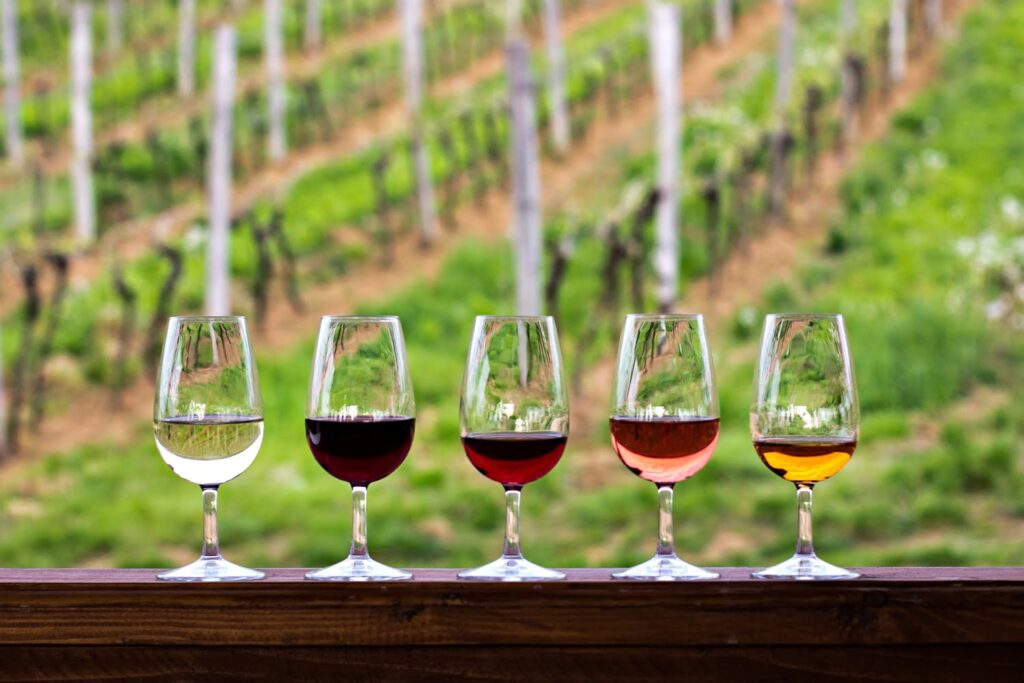
The most common mistake beginners make is trying to turn the day into a quantity challenge. More wineries do not automatically create a better wine experience. In fact, too many stops usually erase the differences that make the region interesting. The second mistake is arriving without enough food, water, or pacing. This weakens your palate and your judgment at the same time. The third mistake is trying too hard to sound knowledgeable instead of simply paying attention to what the wines are doing.
Another common problem is ignoring the structure of the day. A tasting route should have a beginning, middle, and end. If the morning starts too heavily, or the lunch comes too late, or the final stop feels crammed in for no real reason, the whole experience becomes flatter. Wairarapa is a region that rewards thoughtfulness. Even a little planning around timing and purpose makes a major difference.
Finally, some beginners assume that not liking a wine means they are tasting “wrong.” That is not how it works. The point of wine tasting is not to agree with every pour. It is to understand style, identify your own preferences, and learn how regional character shows itself from producer to producer. Once you accept that, the whole process becomes much more enjoyable and much less stressful.
Trying to Remember Every Detail
You do not need to keep track of everything. It is more useful to remember which producer impressed you, which wine style you preferred, and which bottle you would actually want to drink again. Those are the details that matter after the trip is over.
Letting the Route Become Too Mechanical
Wine tasting should have enough structure to work, but not so much that the day feels like a task list. Leave a little room for curiosity, conversation, and the possibility that one stop may deserve more time than you expected.
How to Make Your First Wairarapa Tasting Day Feel Like a Success
The best first tasting day is not the most ambitious one. It is the one that leaves you wanting to come back. That usually means choosing a manageable number of wineries, asking simple but useful questions, paying attention to what you genuinely enjoy, eating properly, and allowing the region to show itself at a natural pace. A successful day should give you more confidence, not more confusion.
It also helps to treat the day as a beginning rather than a complete survey. No one needs to understand the whole Wairarapa in one afternoon. A good first trip should help you identify what you want to explore more deeply next time. Maybe that means Martinborough Pinot Noir. Maybe it means a slower second-day itinerary. Maybe it means more attention to food pairings or seasonal travel timing. The goal is not completion. It is orientation.
That is what makes Wairarapa wine tasting so rewarding for beginners. The region is strong enough to stay interesting, but welcoming enough to feel accessible. If you approach it with curiosity and enough practical planning, it becomes one of the easiest places in New Zealand to begin learning how wine travel can actually work for you.
FAQ
Is Wairarapa wine tasting good for beginners?
Yes. The region is especially good for beginners because many cellar doors feel approachable, the wineries are often boutique in scale, and the tasting experience can be more personal and less intimidating than in larger wine regions.
How many wineries should beginners visit in one day?
For most people, three or four well-chosen stops with proper food and water is a better plan than trying to visit as many wineries as possible.
Do I need wine knowledge before visiting a cellar door?
No. You only need curiosity, a realistic schedule, and a willingness to pay attention to the wines. Simple questions and simple observations are more valuable than trying to sound like an expert.
Should I spit at a wine tasting?
If you are visiting several wineries, spitting can be a sensible way to stay focused and enjoy the day more safely. It is a practical part of tasting, not bad manners.
What should I read after this article?
The best next reads are our guides to the Wairarapa wine region, Wairarapa cellar doors, best time to visit Wairarapa wine region, and Wairarapa food and wine.