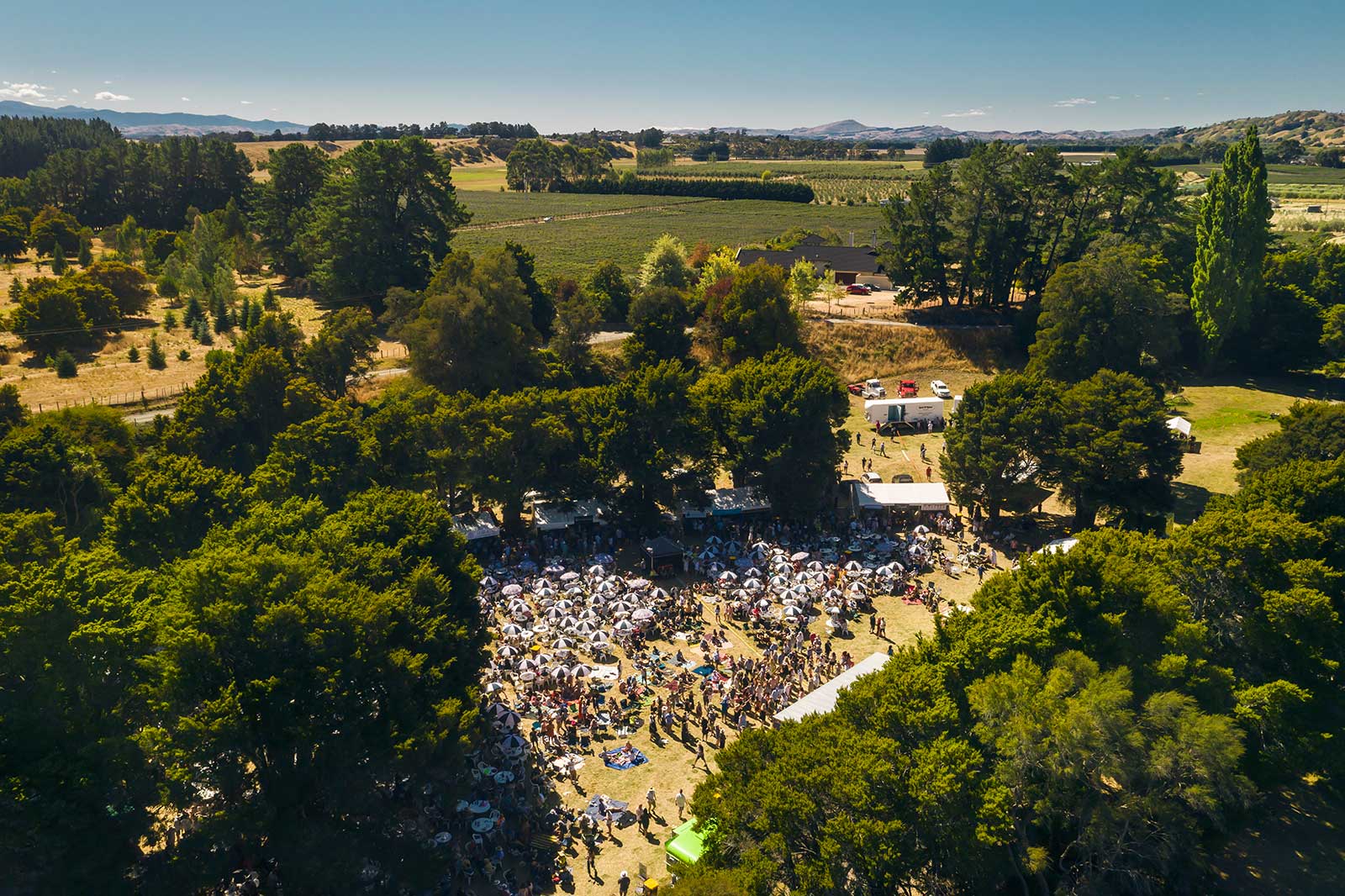
A well-planned Wairarapa wine weekend is one of the best ways to experience New Zealand wine country without turning the trip into a race. The region is close enough to Wellington to make a fast visit possible, but that convenience can be misleading. People often assume they should treat Wairarapa as a quick day trip, fit in too many wineries, and head home feeling that they “saw” the region. In reality, Wairarapa rewards a slower rhythm. It is a boutique wine region with personality, and personality only becomes clear when you give the place enough time to breathe.
This is exactly why a two-day itinerary works so well. It gives you room to understand more than one side of the region. Day one can focus on the classic wine-village experience, usually built around Martinborough and its cellar doors. Day two can widen the picture by introducing a different pace, a second subregion, or a gentler sequence of tastings that allows food, scenery, and wine style to connect more naturally. Instead of one compressed tasting run, you get a proper sense of how the region works: its Pinot Noir reputation, its boutique cellar doors, its food culture, and the way a wine weekend can feel both polished and deeply relaxed.
Another advantage of a Wairarapa wine weekend is that it helps visitors make better decisions. You do not have to choose between lunch and one more tasting. You do not have to force Gladstone into a Martinborough-heavy afternoon just because you ran out of time. You do not have to rush through every winery because the clock is already against you. With two days, the region becomes easier to read. You can compare wineries more clearly, understand your own preferences more honestly, and enjoy the difference between a quick tasting stop and a slower estate-style visit.
This guide is built as a practical, beginner-friendly weekend framework. It shows how to structure a Martinborough-focused first day, how to use a second day more intelligently, where food belongs in the route, how to avoid the most common itinerary mistakes, and how to keep the trip feeling enjoyable rather than overplanned. For the broadest context, start with our homepage guide to the Wairarapa wine region. If you want a tighter look at the region’s best-known village before building your weekend, continue with our article on Martinborough stop-by-stop guide. If cellar door format and tasting-room style matter most to you, save our guide to bookable cellar door experiences. And if you are already thinking about how the meals should support the trip rather than interrupt it, our article on where to eat with local wines is the natural companion.
What Makes a Good Wairarapa Wine Weekend Instead of a Rushed Tasting Day
The difference between a good weekend and a rushed day trip is not just the number of hours available. It is the quality of attention those hours allow. A single day often pushes visitors toward efficiency. They try to see the main village, taste several wines, fit in lunch, maybe add one more winery, and get back on the road. That can be pleasant, but it rarely reveals what makes the region special. A proper Wairarapa wine weekend gives you something much more useful: contrast. You can experience one day that feels energetic and wine-focused, then another that feels broader, calmer, and more reflective.
This matters because Wairarapa is a boutique region, and boutique regions reward pace. They are not designed to overwhelm you with scale. They are designed to reveal themselves through detail: the personality of a tasting room, the difference between one Pinot Noir and another, the feel of lunch after two cellar door visits, the shift in atmosphere between Martinborough and a quieter part of the region. These are the things that make the trip memorable, and most of them need time.
A weekend also lets you avoid one of the most common wine-travel mistakes: forcing the whole region into one tone. If you do everything in a single day, the trip tends to become all one thing. Either it is all fast tasting, or all lunch and not enough winery contrast, or all logistics and not enough ease. Over two days, you can build shape. You can have a more focused first day and a more spacious second day. That makes the wines easier to understand and the region easier to enjoy.
Why One Night Changes the Whole Trip
Staying overnight changes your relationship to the region. You stop thinking like a day-tripper trying to “cover” wine country and start thinking like someone moving through it. That shift alone often makes the trip more relaxed and much more memorable.
Why the Weekend Format Suits Boutique Wine Regions
Large wine regions sometimes reward volume and wide coverage. Wairarapa works better when you let the route stay human-sized. A weekend supports that. It gives you enough time to taste properly, eat properly, and still leave with energy rather than palate fatigue.
Day 1: Building a Martinborough-Focused Tasting Route
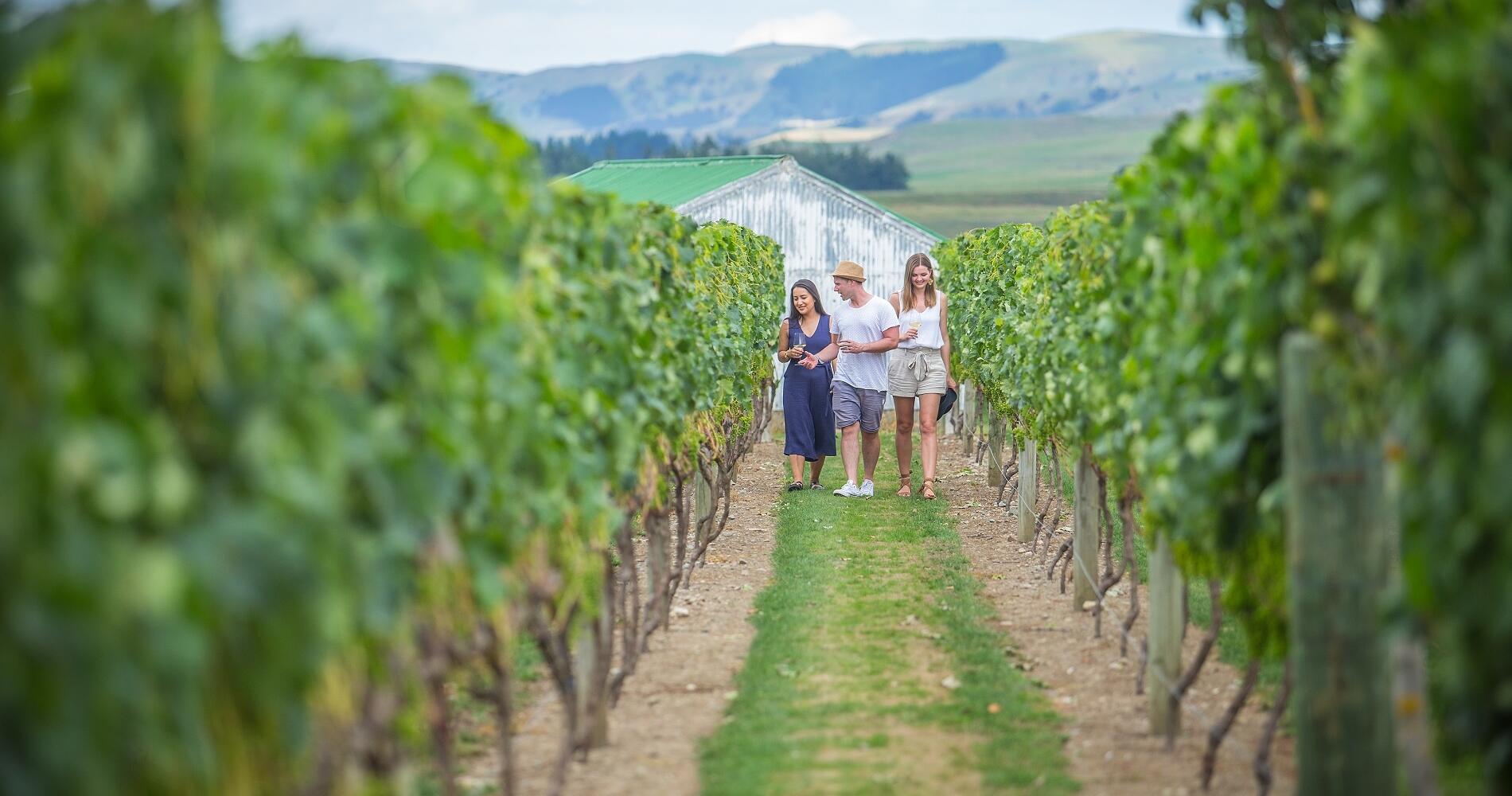
Day one usually works best when it is anchored in Martinborough, because this gives the weekend a clear and easy centre of gravity. Martinborough is the part of Wairarapa most visitors already recognise, and for good reason. It offers the region’s most obvious wine-village experience, a strong concentration of cellar doors, and a natural introduction to the styles and producers that shape Wairarapa’s reputation. Starting here means your first day feels coherent from the beginning.
The ideal Martinborough day is not one that tries to hit every known winery. It is one that gives you enough contrast to understand the village and enough breathing room to remember what you tasted. A strong approach is to begin with one cellar door that gives you a broad regional introduction, continue with a second stop that deepens the experience or highlights Pinot Noir, then build lunch into the middle of the day so the afternoon starts with a reset rather than a slump. After that, one or two more wineries are usually enough, depending on how detailed your tastings are and whether the day is more educational or more social in tone.
What makes this structure work is that it respects both wine and energy. The morning is when your palate is freshest, so it makes sense to use that time for your more focused comparative tasting. The middle of the day is where food matters most. The afternoon should feel slightly softer, with cellar doors that are enjoyable but not exhausting. This keeps the region from blurring into one long ribbon of similar pours. For a more detailed village-level foundation under this day, return to our article on Martinborough wineries.
Morning Tasting Pace
The best morning start is steady rather than aggressive. One or two well-chosen tastings are usually enough before lunch. This lets you pay attention to style, compare a few wines clearly, and avoid the common mistake of making the whole day feel too full by midday.
Lunch Break Strategy
Lunch is not an interruption to wine travel. It is part of the design. The middle of the day is exactly when a meal helps most, because it improves energy, resets the palate, and makes the second half of the itinerary much easier to enjoy. A lunch stop also prevents the day from becoming purely transactional.
Afternoon Winery Choices
After lunch, many visitors benefit from slightly calmer winery choices. This does not mean lower-quality stops. It means tastings that suit the second half of the day: relaxed, memorable, and not too rushed. The ideal ending to day one is to feel satisfied, not overworked.
How Day 1 Should Feel by the End
By the end of the first day, you should have a strong sense of why Martinborough matters without feeling as though you have “finished” the region. That distinction is important. A good first day should create orientation, not closure. You should understand something about cellar door style, boutique producer culture, and the region’s affinity for Pinot Noir, while still feeling that there is more to discover.
This is one of the reasons Martinborough works so well as the opening movement of a Wairarapa wine weekend. It gives you enough definition to structure the trip, but not so much that the second day becomes redundant. In fact, the stronger your first day is, the more useful the second day becomes, because you now have something to compare against.
It is also the moment when many visitors realise that the weekend format was the right decision. After a full Martinborough day, most people can feel how much would have been lost if they had tried to compress everything into a single outing. The region starts to open up precisely when you stop rushing it.
Day 2: Mixing a Second Subregion or Slower Cellar Door Day
Day two is where the weekend can become truly distinctive. Instead of repeating day one, use the second day to widen the picture or soften the pace. This is often where Gladstone, Masterton-side visits, or simply a more relaxed rhythm come into play. The point of day two is not to double the number of wineries you see. It is to deepen your understanding of the region and give the weekend a second emotional tone.
One very effective option is to use the second day to explore a quieter subregional side of Wairarapa. This helps show that the region is not only Martinborough. It adds breadth to the wine experience and often creates a day that feels more open, more spacious, and more reflective. Another option is to stay closer to the Martinborough area but choose a smaller number of slower cellar door visits, perhaps with one tasting designed to be more educational or one stop where the setting itself becomes part of the reward.
Both approaches work. The best choice depends on what the first day already gave you. If day one was dense with tasting-room contrast, day two may benefit from more calm. If day one was mainly about village familiarity and first impressions, day two can carry more regional exploration. This is exactly where the weekend format shows its value: the second day can respond to the first rather than simply repeating it. If you want to understand the quieter subregional option better, our guide to Gladstone wineries helps explain why that shift is so worthwhile.
Why a Second Subregion Helps
A second subregion changes the meaning of the trip. It proves that Wairarapa is more than one famous village and gives you a better sense of regional depth. Even a small shift in geography can make the wines and the weekend feel much broader.
Why a Slower Second Day Often Works Better Than a Bigger One
Many visitors assume the second day should be “more.” In reality, it is often better when it is “deeper.” A smaller number of stops with better attention usually gives the weekend a stronger finish than a final attempt to cover extra ground.
How to Balance Wine, Driving, Food, and Downtime
The best Wairarapa wine weekend is built around balance, not maximum output. Wine travel stops being enjoyable when the route becomes all movement and no room. Driving, tasting, eating, walking, resting, and simply being in the landscape should all support one another. When one of these takes over too completely, the trip starts to feel more like a task than a pleasure.
This is why realistic spacing matters. Even when cellar doors are accessible, every move carries a cost in attention. Every extra stop asks your palate to hold more information. Every lunch that comes too late weakens the afternoon. Every overpacked route reduces your ability to notice why one winery felt different from the last. The region is compact enough to seem easy, but that is exactly why restraint becomes so important. Because it looks manageable, visitors are tempted to add more than the trip can gracefully hold.
Downtime is not wasted time in wine country. A short pause between tastings, a proper lunch, a slower final stop, or a scenic detour can improve the whole weekend because it makes the wine more legible again. When the pace is right, the bottles become clearer and the region itself becomes more memorable.
Why Driving Time Still Matters in an Accessible Region
Accessibility is one of Wairarapa’s strengths, but it can create overconfidence. Even short drives or easy transitions still shape the day. Good planning does not mean eliminating travel time. It means making sure travel supports the rhythm instead of interrupting it.
Why Downtime Improves the Wine Experience
Many people think breaks will reduce the value of the weekend. Usually the opposite happens. A short reset often makes the next tasting more useful, not less. This is especially true on a two-day trip, where energy management matters just as much as winery selection.
Where Meals Fit Best Into a Wine Weekend
Food is one of the most important structural elements in a successful Wairarapa wine weekend. It keeps the route enjoyable, protects your palate, and often helps the wines make more sense. A Pinot Noir that feels elegant but slightly abstract in a tasting flight can become wonderfully clear beside lunch. A Chardonnay may show more shape and appeal when paired with the right dish than it ever would in isolation. Meals are therefore not simply practical interruptions. They are part of how the weekend teaches you the region.
Lunch usually belongs near the middle of each day, especially on the more tasting-heavy first day. It acts as a reset point and improves the second half of the itinerary immediately. Dinner, by contrast, often works best as a reward rather than another analytical wine moment. By evening, most visitors benefit more from enjoyment than from detailed comparison. This is why a weekend itinerary should think differently about daytime and evening food. One supports tasting; the other completes the day.
It also helps to remember that not every meal needs to be elaborate. A well-chosen platter, a relaxed winery lunch, or a local food stop placed at the right time can often do more for the weekend than an overcomplicated dining plan. The key is fit. Food should support the wine rhythm rather than compete with it. For a more pairing-led look at this side of the trip, continue with our guide to Wairarapa food and wine.
Lunch-Friendly Stops
The most useful lunch stops are the ones that fit the day naturally. They do not have to be the grandest meal of the weekend. They simply need to restore balance, make the wines easier to read, and keep the route enjoyable for the afternoon.
Dinner Planning
Dinner works best when it feels like a release from the daytime structure. By then, the trip has earned a more relaxed mood. A good dinner should complete the day, not restart the tasting process from the beginning.
Common Itinerary Mistakes That Make Wine Weekends Less Enjoyable
The biggest mistake is treating two days as a chance to double the number of wineries instead of improve the quality of the trip. A weekend is not automatically better just because it contains more stops. It is better when it contains more shape. The second common mistake is making both days feel the same. If day one and day two follow the exact same tasting pattern, the weekend can flatten out instead of deepen.
Another frequent problem is pushing food too late or treating it as secondary to the wine. That weakens the whole experience. The same goes for failing to think about transport and timing before the trip begins. Wairarapa feels easy, but easy regions still reward basic discipline. Finally, some visitors plan every hour too tightly, leaving no room for a winery they unexpectedly love or a slower stop that turns out to be the highlight of the trip.
The best weekends are built with enough structure to work and enough flexibility to remain enjoyable. That balance is what lets the region feel generous instead of demanding. It is also what makes people want to come back.
Making Both Days Too Similar
A strong weekend needs variation in tone. One day can be more focused and village-based, the other broader or slower. Without that difference, the trip risks becoming repetitive, even if the wines are excellent.
Trying to “See Everything”
No one needs to complete Wairarapa in one weekend. In fact, the region becomes more appealing when you accept that a good trip should leave something for later. The best sign of success is not exhaustion. It is wanting to return.
Why a Weekend Is the Best Way to Understand Wairarapa Wine
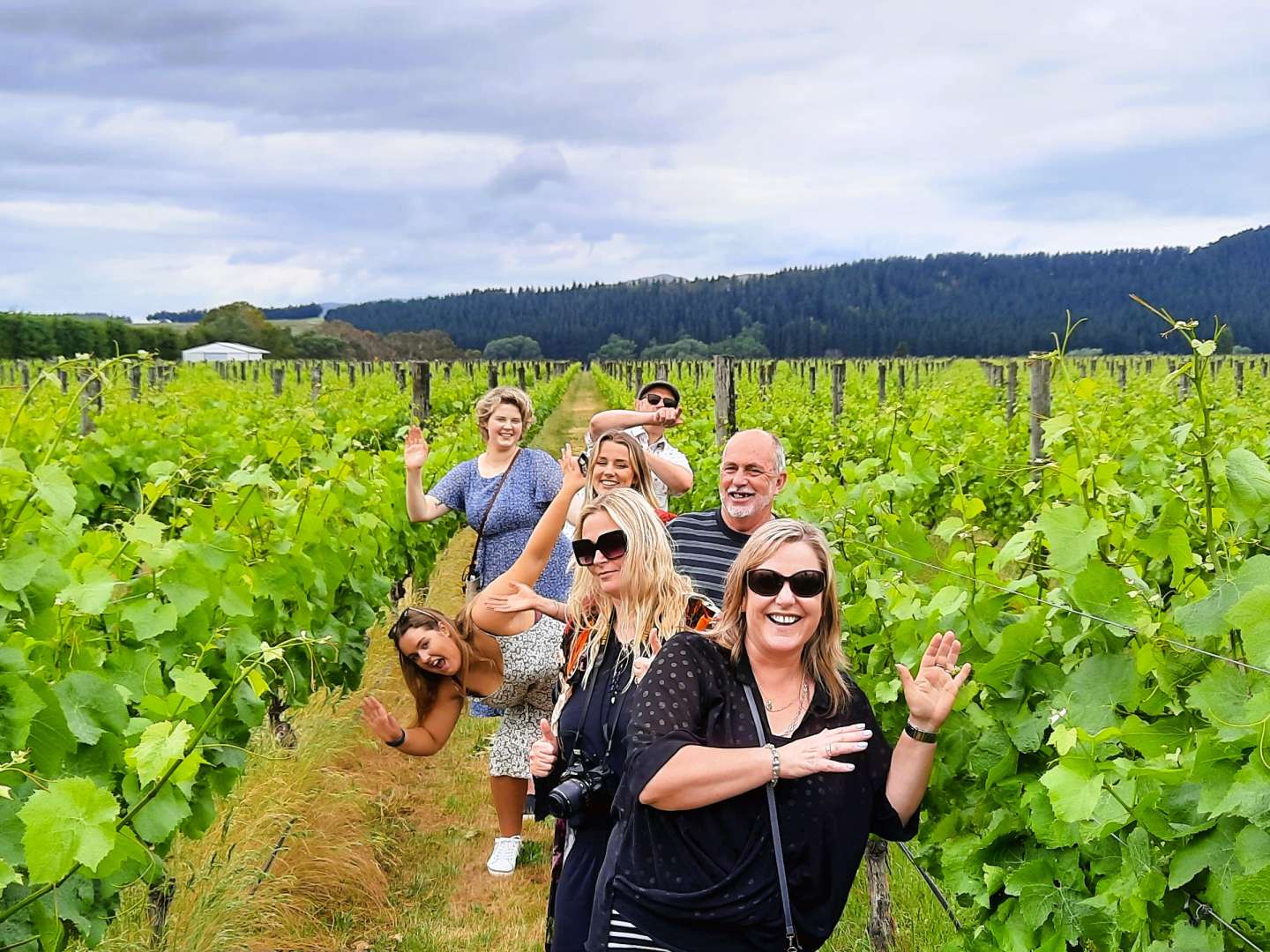
A two-day visit is often the ideal format because it reveals that Wairarapa is not just a place with wineries, but a place with wine culture. You begin to see how cellar doors, food, subregions, travel pace, and Pinot Noir reputation all reinforce one another. This is much harder to understand in a single fast outing, even if that outing is enjoyable. A Wairarapa wine weekend gives the region enough time to become legible.
It also creates room for memory. You remember more when the route is not overpacked. You notice more when the weekend has contrast. You understand more when you can compare a Martinborough-centered day with a quieter second day. These are not small differences. They are the differences that turn wine travel from pleasant tourism into something you actually carry home with you.
That is why a weekend is usually the smartest way to begin with Wairarapa. It respects the region’s boutique nature, allows for better wine decisions, and gives you the chance to enjoy both structure and ease. After this article, the best next reads are our guides to the Wairarapa wine region, Martinborough wineries, Wairarapa cellar doors, and Wairarapa food and wine.
FAQ
Is Wairarapa better as a day trip or a weekend?
Wairarapa is accessible enough for a day trip, but a weekend is usually better because it allows visitors to experience more than one side of the region without rushing the tastings, meals, and travel rhythm.
How many wineries should I visit over a wine weekend?
There is no fixed number, but most weekends work best when the route stays realistic. A smaller number of strong cellar door visits with proper food and pacing is usually more rewarding than trying to fit in as many wineries as possible.
Should I spend both days in Martinborough?
You can, but many visitors get more value from using one day for Martinborough and the second for a slower or broader regional route, which helps reveal more of Wairarapa’s character.
What is the biggest mistake in planning a Wairarapa wine weekend?
The biggest mistake is treating two days as a chance to cram in more wineries instead of using the extra time to improve pace, food planning, and regional contrast.
What should I read after this article?
The strongest next reads are our guides to the Wairarapa wine region, Martinborough wineries, Wairarapa cellar doors, and Wairarapa food and wine.